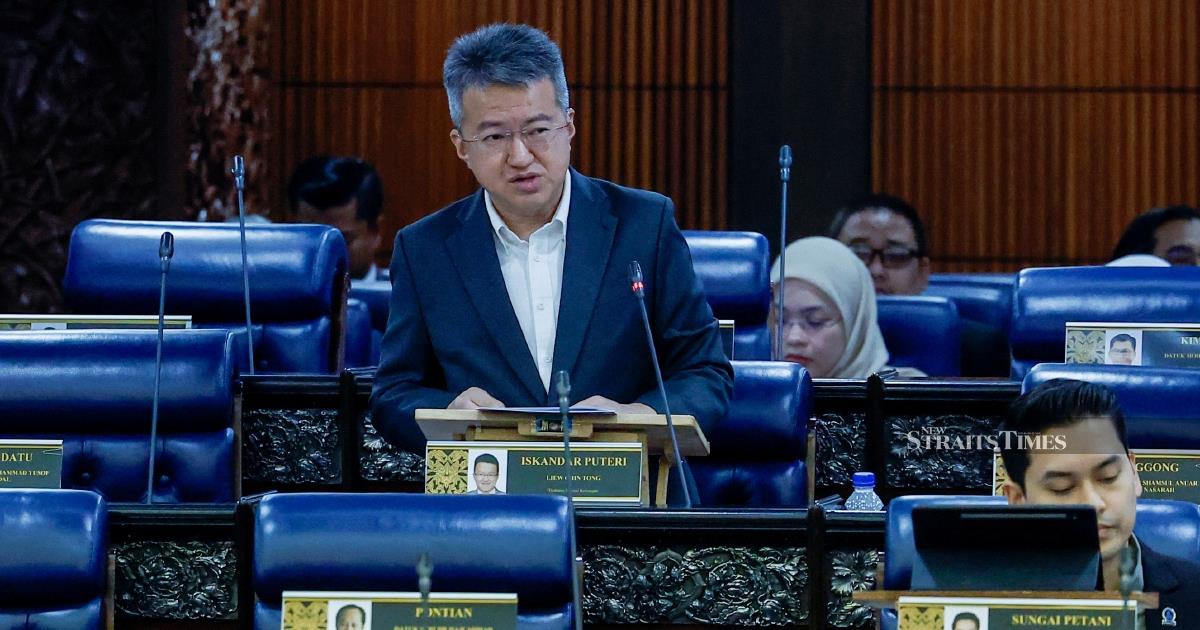
Parliament has enacted sweeping amendments to governance rules surrounding the Kumpulan Wang Amanah Negara (KWAN), a state-owned fund established to safeguard the nation's wealth. The legislative changes directly address vulnerabilities in the regulatory framework that became apparent when RM5 billion was withdrawn from the fund in 2021, an episode that sparked considerable controversy and raised questions about oversight and accountability in managing public resources.
The 2021 withdrawal proved transformative in exposing regulatory shortcomings within the existing statutory apparatus. At that time, the institutional architecture governing KWAN did not require parliamentary authorisation for such transactions, creating an environment where substantial sums could be mobilised without explicit legislative scrutiny or approval from the Dewan Rakyat. This absence of a transparent approval mechanism troubled lawmakers and governance specialists, who recognised that public funds of this magnitude warranted democratic oversight and public accountability.
The newly enacted amendments fundamentally restructure withdrawal procedures by mandating that any future withdrawals from KWAN must secure formal approval through a Dewan Rakyat resolution. This requirement represents a significant institutional safeguard, enshrining parliamentary authority over decisions affecting the stewardship of national reserves. The legislative modification transforms what was previously an executive prerogative into a matter requiring collective parliamentary judgment, thereby distributing decision-making power and introducing multiple layers of institutional review.
For Malaysian citizens and observers of public finance management, this shift carries profound implications. The KWAN framework operates as a custodian of national assets, managing resources intended to serve long-term national interests and economic stability. By inserting parliament directly into the withdrawal approval process, the legislation aligns the fund's operational procedures with principles of democratic governance and fiscal transparency that increasingly define expectations for public-sector management across Southeast Asia.
The 2021 withdrawal incident, which precipitated these reforms, underscored how institutional gaps can permit rapid movement of large public resources outside traditional scrutiny channels. Although the circumstances surrounding that particular transaction remain complex and multifaceted, the legislative response demonstrates a commitment to preventing similar situations from recurring. The requirement for parliamentary resolution creates a formal check that necessitates broader political consensus before such consequential financial decisions proceed.
These amendments also reflect evolving standards for sovereign wealth management globally. Nations throughout the Asia-Pacific region increasingly recognise that robust governance structures—encompassing legislative oversight, transparent decision-making criteria, and clear accountability mechanisms—enhance public confidence in state-managed funds. Malaysia's approach, now embodied in the revised KWAN legislation, aligns with international best practices emphasising institutional checks and democratic participation in stewarding public wealth.
Practically speaking, the parliamentary resolution requirement introduces procedural delays and deliberative opportunity into the withdrawal authorisation process. Entities seeking access to KWAN resources must now articulate compelling rationales for their requests before the legislature, enabling lawmakers to examine proposals, scrutinise underlying assumptions, and debate national priorities. This deliberative dimension transforms fund withdrawals from routine administrative transactions into matters of legitimate public concern subject to democratic evaluation.
The legislative response also sends clarifying signals to international investors and rating agencies monitoring Malaysia's fiscal governance. Strengthened institutional safeguards surrounding sovereign funds typically enhance perceived creditworthiness and governance credibility. By formally anchoring KWAN withdrawal decisions to parliamentary authority, Malaysia reinforces its commitment to transparent, accountable management of public assets—characteristics increasingly weighted by institutional investors evaluating emerging-market risk profiles.
For the broader Southeast Asian context, Malaysia's KWAN amendments contribute to a regional pattern of tightening governance standards for state-managed wealth. As regional governments navigate complex macroeconomic environments and face pressure to deploy state resources strategically, ensuring robust parliamentary oversight becomes essential for maintaining institutional legitimacy and public trust. Malaysia's legislative reform demonstrates that even established financial institutions can be recalibrated to reflect contemporary governance expectations.
Moving forward, the implementation of these amendments will require coordination between parliament, executive agencies, and KWAN management structures. Lawmakers must establish clear procedures for evaluating withdrawal requests, establishing timelines for parliamentary deliberation, and documenting decision rationales. These operational arrangements will ultimately determine whether the reformed framework achieves its intended protective effect or generates administrative friction that potentially limits the fund's responsiveness to genuine national priorities.
The legislative journey from controversy to institutional reform illustrates how governance systems can adapt when structural deficiencies become apparent. Rather than merely investigating or assigning blame for the 2021 withdrawal, policymakers channelled concern into constructive legal reform. This approach reflects a pragmatic recognition that strong institutions require continuous refinement and that contemporary governance standards demand democratic participation in decisions affecting national resources.
Looking ahead, the success of these amendments will hinge on sustained commitment to transparency and parliamentary diligence. Legislators must treat withdrawal requests with serious deliberation, avoiding both unwarranted obstruction of legitimate national needs and passive acquiescence to proposals lacking compelling justification. When appropriately applied, the parliamentary resolution requirement transforms KWAN governance into a model demonstrating how institutional structures can effectively balance state resource mobilisation with democratic accountability.

