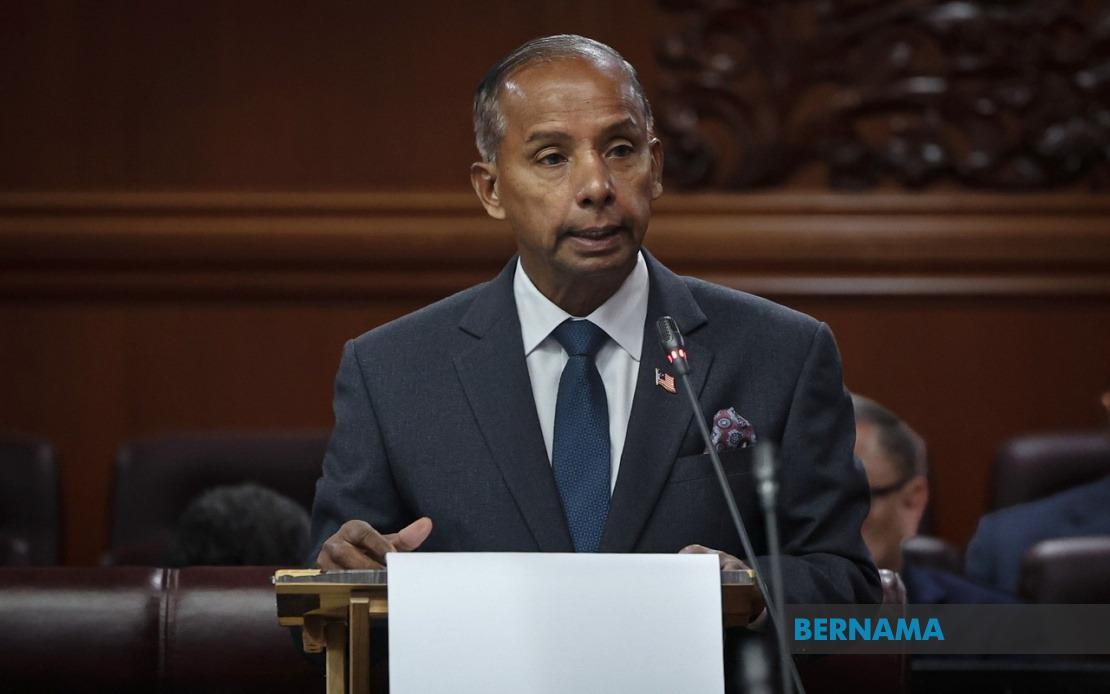
The Malaysian government is moving to strengthen protections for witnesses in the criminal justice system by introducing exit support mechanisms that have previously been absent from the country's witness protection framework. The Witness Protection (Amendment) Bill 2026, which passed the Dewan Rakyat on July 14, now faces final scrutiny in the upper house, with M. Kulasegaran, Deputy Minister in the Prime Minister's Department (Law and Institutional Reform), presenting the measure to the Dewan Negara on July 22. The bill's centrepiece is a provision allowing participants in Malaysia's Witness Protection Programme to receive a single tranche of assistance after the Attorney General determines they no longer require security measures.
Under the existing Witness Protection Act 2009 (Act 696), government support terminates abruptly when a witness's protection status ends, leaving individuals without formal mechanisms to manage the practical challenges of re-entry into civilian society. Kulasegaran outlined how the proposed amendment addresses this gap by enabling beneficiaries to access financial aid and relocation support during the critical transition period following programme exit. These resources can be deployed for multiple pressing needs: securing suitable housing in a new community, financing the physical removal from secure facilities to permanent residences, and managing educational disruptions for dependent children requiring school transfers.
The Deputy Minister emphasised that this assistance package is deliberately calibrated as temporary relief rather than ongoing welfare. It functions as a bridge spanning the vulnerable interval between programme termination and full reintegration, acknowledging that witnesses often face acute practical obstacles when resuming ordinary lives. Many have spent months or years under state protection, sometimes in unfamiliar regions far from their original homes and social networks. The sudden cessation of government oversight and support creates genuine hardship—housing markets demand deposits and references, moving logistics require capital, and school administrators need documentation and fees. Without targeted initial assistance, otherwise cooperative witnesses might face destitution.
This legislative development reflects growing international recognition that witness protection programmes require exit strategies as comprehensive as entry protocols. Witnesses who testify against organised crime figures, corruption networks, and violent offenders face persistent personal risk and social ostracisation. Beyond physical danger, participants endure psychological trauma, professional disruption, and family separation. When protection ends, they frequently discover their identities have become public, criminal networks hold grudges, and employment opportunities remain limited by their compromised backgrounds. The transition assistance contemplated in the amendment acknowledges these realities without committing governments to indefinite dependency relationships.
The legislative package comprises six specific amendments designed to enhance multiple dimensions of witness welfare. Beyond exit assistance, the bill empowers the director-general of the Protection Division within the Prime Minister's Department with expanded authority to provide protection and assistance measures tailored to individual circumstances. This discretionary flexibility represents a significant departure from the rigid framework of the original 2009 legislation. Protection officers can now respond dynamically to emerging threats, changing family situations, and unanticipated vulnerabilities rather than applying standardised protocols.
The timing of this reform carries particular significance for Malaysian jurisprudence. In recent years, several high-profile corruption and organised crime cases have proceeded only because witnesses accepted protection, providing testimony that might otherwise never have surfaced. The programme has proven essential for prosecuting financial crimes, drug trafficking organisations, and political corruption. Yet programme integrity depends on public confidence that participation carries genuine security assurances and that exit from protection does not condemn witnesses to destitution. Kulasegaran's remarks indicate the government recognises that sustaining witness cooperation requires demonstrating tangible commitment to their welfare beyond courtroom testimony.
Regional context matters considerably here. Throughout Southeast Asia, witness protection frameworks remain underdeveloped, and prosecutions of organised crime and corruption frequently collapse when witnesses withdraw due to intimidation, economic desperation, or loss of government support. Malaysia's enhancement of its witness protection infrastructure, though incremental, positions the nation ahead of several regional peers. Countries grappling with transnational organised crime, people trafficking, and large-scale corruption increasingly recognise that procedural protections alone—anonymity orders, screen testimony, protective conditions—cannot succeed without addressing witnesses' material survival needs.
The amendment also reflects evolving understandings of trauma-informed criminal justice. Witnesses to serious violence or corruption often experience psychological difficulties requiring ongoing support even after physical threats diminish. The expanded discretionary authority granted to protection administrators creates formal space for referring witnesses to mental health services, community reintegration programmes, and employment counselling. These interventions fall outside the narrow confines of security provision yet prove essential for successful civilian reintegration.
Implementation details remain to be specified through regulation and policy guidance. Key questions include the quantum of financial assistance available per participant, the criteria determining eligibility for relocation versus housing support, and the administrative procedures for application and verification. The Deputy Minister's distinction between one-off and recurring assistance suggests the government intends to provide meaningful but limited help—perhaps sufficient for initial deposit and moving costs rather than sustained income replacement. This calibration balances fiscal responsibility against genuine humanitarian need, though specific thresholds will become apparent only once implementation frameworks emerge.
The legislation addresses a recognised weakness in Malaysia's approach to serious crime prosecution. Witnesses report feeling abandoned upon programme exit, discovering that government protection suddenly disappears despite ongoing threats. Some have returned to communities where their identities and cooperation became known, facing social hostility or revenge violence. The emotional and practical upheaval of starting new lives in unfamiliar locations without resources or support networks has discouraged potential witnesses from participating in future cases. By institutionalising exit assistance, the amendment sends a signal that the state acknowledges its obligations extend beyond extracting testimony.
This reform also positions witness protection as a criminal justice investment rather than exceptional security expenditure. Countries experiencing high corruption or organised crime rates find that robust witness protection programmes, including comprehensive exit support, ultimately reduce prosecution costs by increasing conviction rates and enabling complex financial crime cases to proceed. The modest expense of relocation assistance pales against the investigative resources required to build cases without cooperative witnesses, or the societal costs of allowing criminal networks to operate unchecked.
As Malaysia navigates increasingly complex corruption investigations and evolving organised crime threats, institutional frameworks supporting witness participation in justice processes become progressively more important. The Witness Protection (Amendment) Bill 2026 takes a measured but meaningful step toward ensuring that witnesses can testify confidently, knowing their cooperation carries genuine government commitment to their security and welfare throughout and beyond their participation. The measure now awaits final parliamentary approval, but its passage would establish Malaysia as a regional model for integrating humanitarian considerations into witness protection administration.

