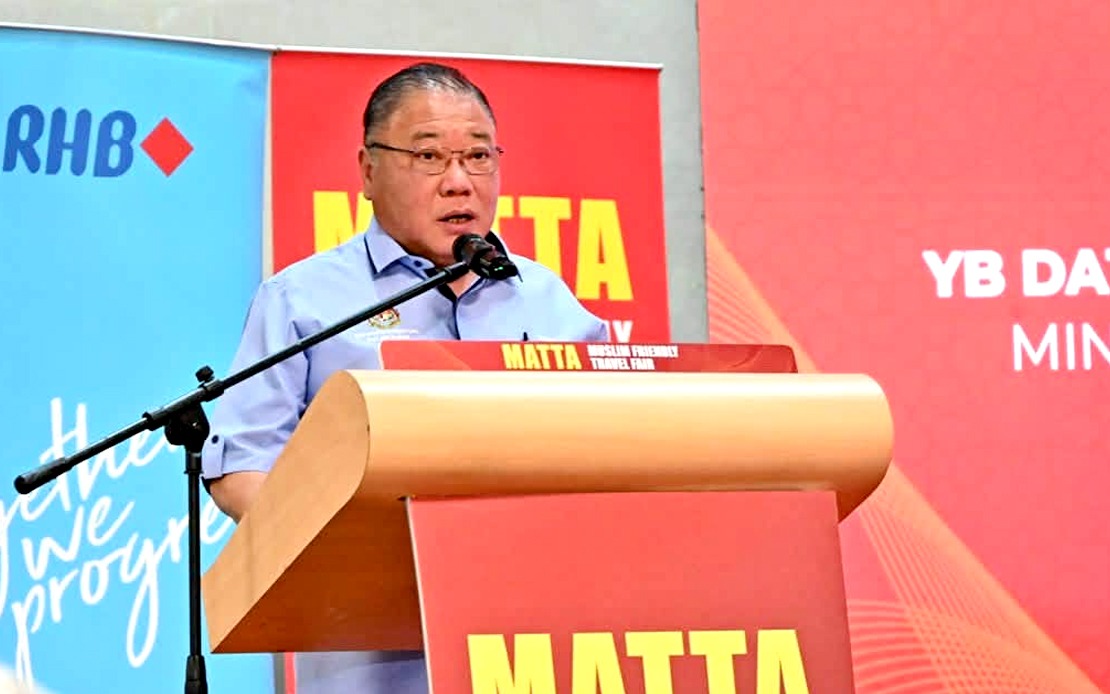
The Malaysian government is moving to regulate the umrah travel industry through a new pricing floor and mandatory service standards, addressing concerns that cut-throat competition has created packages so inexpensive they jeopardise the quality of pilgrim experiences. Tourism, Arts and Culture Minister Datuk Seri Tiong King Sing announced the regulatory shift during his address at the opening of the Malaysian Association of Tour and Travel Agents (MATTA) Muslim Friendly Travel Fair 2026, signalling that authorities view the proliferation of bargain-basement umrah offerings as a serious threat to traveller safety and satisfaction.
The core problem driving this intervention stems from a troubling pattern in the umrah sector where operators slash prices to unsustainable levels, creating situations where pilgrims either cannot complete their journeys or arrive at their destinations unable to fulfil their religious obligations. Tiong articulated this concern with particular clarity, emphasising that the government does not wish to witness Malaysian pilgrims stranded abroad or unable to perform umrah due to inadequate services bundled into their packages. This scenario has reportedly occurred with sufficient frequency to warrant Cabinet-level attention and coordination across multiple government agencies.
Under the proposed framework, umrah travel operators will face legally binding minimum price thresholds that they cannot undercut, regardless of their competitive positioning or cost structure. Simultaneously, operators must provide transparent and detailed service schedules clearly specifying what inclusions accompany each package offering. This dual approach seeks to eliminate the current practice where packages are marketed at rock-bottom prices while actual service components remain vague or subject to reduction without clear prior disclosure.
Tiong indicated that operators retain flexibility to differentiate their products through branded tier systems such as Premium, Gold, Silver, and Platinum classifications. However, all tiers operating within each category must comply with the baseline pricing established by the regulatory mechanism. This structure allows market segmentation and consumer choice while preventing a race to the bottom that historically undermines service delivery across the sector.
The initiative emerged from collaborative discussions involving Tabung Haji, Malaysia's dedicated hajj and umrah financing institution, and the Minister in the Prime Minister's Department (Religious Affairs), suggesting this represents a whole-of-government effort rather than an isolated tourism ministry initiative. The involvement of Tabung Haji, which manages the savings accounts of hundreds of thousands of Malaysian pilgrims, indicates the depth of institutional concern about current market conditions and the need for protective guardrails.
Beyond domestic consumer protection, Malaysia's government also views the umrah regulation through a competitive lens. Regional competitors including Macau have substantially enhanced their Muslim-friendly tourism infrastructure in recent years, expanding halal dining establishments, introducing prayer facilities at airports, developing Muslim-centric accommodation standards, and creating dedicated visitor information channels. This intensifying competition for Muslim travellers' spending power necessitates that Malaysia maintain clear differentiation through service quality and reliability, which underprice packages actively undermine.
The regulatory framework reflects a broader Malaysian strategy to cement the nation's position as a regional leader in Muslim-friendly tourism and hospitality. Rather than relying solely on price competition, the government is attempting to compete on consistent quality, comprehensive service offerings, and pilgrim satisfaction. This strategic repositioning signals that Malaysian authorities believe the umrah market will sustain healthier growth and profitability if built on stable pricing and clear value propositions rather than perpetual discount wars.
Industry players within Malaysia's tourism ecosystem face clear direction to innovate beyond cost-cutting and to strengthen collaborative relationships across the sector. Tiong's remarks suggest that operators must invest in service enhancements, digital infrastructure, customer experience improvements, and international marketing capabilities to differentiate their offerings within the new regulated pricing environment. This pivot demands that smaller or marginal operators either consolidate, improve their value proposition, or exit the market.
For Malaysian pilgrims specifically, the new framework should theoretically eliminate a category of risk currently embedded in the umrah experience. The elimination of packages priced at unsustainable levels removes the possibility of purchasing what appears to be affordable religious tourism only to discover upon arrival that promised services are unavailable or substantially degraded. This consumer protection dimension carries particular weight given umrah's spiritual significance and the financial commitment pilgrims make from modest household budgets.
Implementing this framework will present genuine administrative challenges. Government authorities must establish precisely calibrated minimum prices that reflect genuine operating costs while remaining accessible to mass-market pilgrims, define service standards with sufficient specificity to prevent compliance evasion, and create enforcement mechanisms capable of monitoring hundreds of operators. The participation of Tabung Haji suggests this institution may play a monitoring role, leveraging its position as a major booking channel and financing source.
The timing of this announcement reflects accumulating evidence that voluntary industry self-regulation has failed to prevent the emergence of problematic pricing practices. Rather than continuing to rely on operators' goodwill or consumer awareness, the government is establishing clear rules with enforceability. This regulatory intervention also positions Malaysia as a destination prioritising pilgrim welfare over raw volume maximisation, a positioning that could enhance the nation's reputation among Muslim travellers globally.
Looking ahead, the success of this regulatory initiative will depend on careful calibration during implementation and genuine commitment from both government agencies and industry participants to enforcement. If executed effectively, the framework could simultaneously protect pilgrims, stabilise industry economics, and strengthen Malaysia's competitive position in the expanding Muslim travel market. Conversely, poorly designed pricing floors or laxly enforced standards could create compliance theatre while failing to achieve substantive consumer protection objectives.

