Malaysia's Tourism, Arts and Culture Minister Datuk Seri Tiong King Sing has issued a forthright reminder to MM2H Programme agents that securing a licence to operate domestically does not absolve them of their obligations to observe the laws and regulations governing their activities in foreign markets. The warning underscores growing concerns about the manner in which the Malaysia My Second Home scheme is being marketed internationally, particularly regarding how agents interact with prospective applicants and local partners in key source countries.
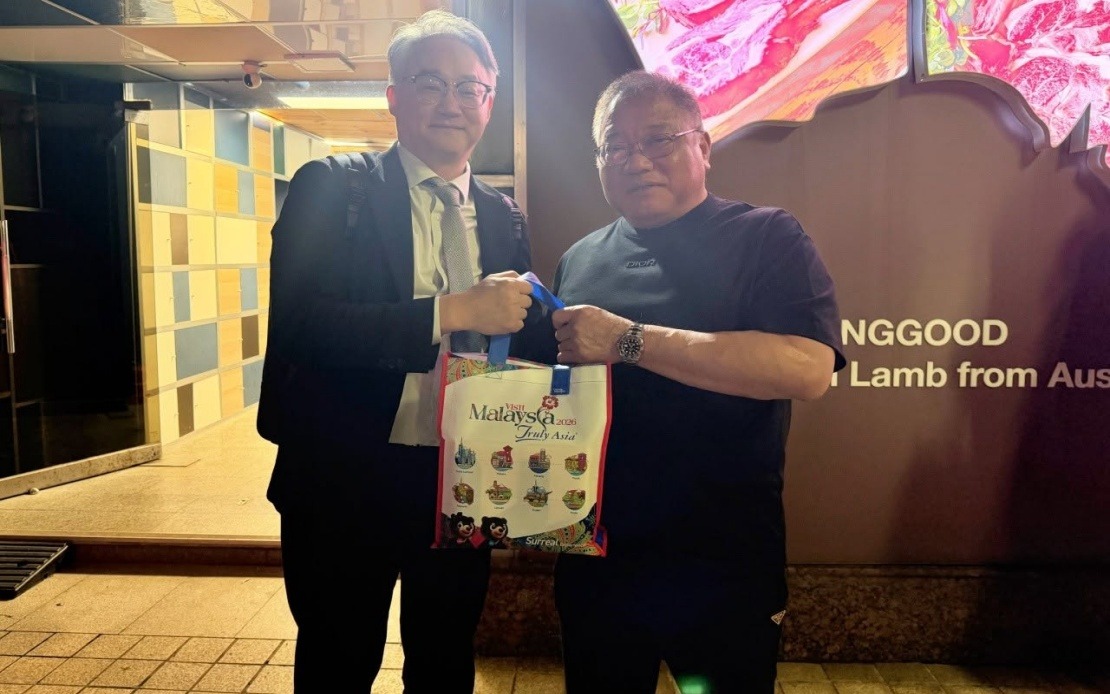
During a recent visit to the Republic of Korea, Tiong discussed the matter with representatives of the Malaysian Association, including its president Dr Aaron Kim Hong-Seok, secretary-general Kim Jun-Hyung, and other senior officials. The conversation revealed that some MM2H agents licensed in Malaysia may lack sufficient familiarity with foreign regulatory systems and have been engaging directly with local individuals without proper coordination, creating a fragmented marketplace where numerous entities claim capability to process MM2H applications. This decentralised and sometimes informal approach has bred confusion among potential applicants and created openings for fraudulent operators to exploit the programme's growing reputation.
The minister stressed that holding an MM2H licence in Malaysia represents only one dimension of compliance. Agents promoting the programme and recruiting clients across international borders must simultaneously ensure they understand and adhere to the regulatory requirements of host countries. This dual responsibility means that before engaging in promotional activities or client acquisition in any foreign jurisdiction, agents should verify their standing with local authorities and align their operations with applicable national laws. Failing to do so exposes both the agents themselves and the broader MM2H ecosystem to legal and reputational risks.
Tiong indicated his intention to issue formal reminders to all MM2H agent companies upon returning to Malaysia, emphasising the centrality of regulatory compliance to the scheme's integrity. His approach reflects a philosophical shift in how the programme should be evaluated and managed. Rather than prioritising sheer numbers of applicants recruited—a metric that could incentivise corner-cutting and rule-breaking—the minister stressed that safeguarding applicants' interests and fostering a transparent, legally sound operational environment must take precedence. This perspective aligns Malaysia's approach with international best practices in managing residency and immigration schemes.
The establishment of clearer cooperation frameworks between Malaysian MM2H agents and local industry partners in principal markets represents a key step toward reducing the ambiguity that currently pervades the sector. Such structures would formalise relationships, clarify roles and responsibilities, and create accountability mechanisms that deter fraud and misunderstandings. By institutionalising these partnerships rather than allowing ad hoc arrangements to proliferate, the authorities can protect both applicants and legitimate agents while simultaneously enhancing the programme's credibility among prospective foreign participants.
The Korean market has emerged as a particularly promising source of MM2H applicants, especially among affluent retirees seeking to establish a second residence in a warm climate during winter months. Korea's ageing population, coupled with rising disposable incomes among seniors, creates substantial demographic tailwinds for the scheme. However, realising this potential requires that both Malaysian agents and Korean market partners operate within strict legal and ethical boundaries. A single high-profile fraud case or regulatory violation could severely damage confidence in the programme across Korea and neighbouring markets.
Tiong's comments implicitly acknowledge that the MM2H sector has grown rapidly without commensurate strengthening of oversight and coordination mechanisms. This regulatory lag has permitted informal networks and opportunistic actors to flourish, potentially undermining the scheme's legitimacy. The minister's intervention signals the government's recognition that managing growth in this space demands more structured governance and clearer delineation of responsibilities among stakeholders. Enhanced enforcement and explicit guidance on foreign market compliance are necessary complements to licensing frameworks.
For Malaysian stakeholders, the minister's message carries wider implications. It underscores that international business ventures cannot be managed solely according to domestic regulatory playbooks; succeeding in foreign markets requires respecting local legal frameworks and building relationships with credible local partners. This principle extends beyond MM2H to any Malaysian export-oriented business or service sector seeking to expand internationally. The lesson is particularly relevant for emerging sectors where regulatory frameworks may still be evolving and where first-mover advantage could be lost to entities prioritising short-term gains over long-term institutional credibility.
The minister expressed confidence that MM2H agents would intensify promotional efforts in Korea while simultaneously collaborating with established local partners to ensure campaigns remain effective and compliant. This balanced positioning acknowledges both the commercial imperative to expand the applicant base and the regulatory necessity to operate transparently. Success will depend on how effectively agents absorb this guidance and translate it into operational changes over the coming months. The minister's follow-up actions upon return to Malaysia—whether issuing enforcement directives, clarifying expectations, or strengthening penalties for non-compliance—will signal the seriousness with which the government intends to implement this framework.

