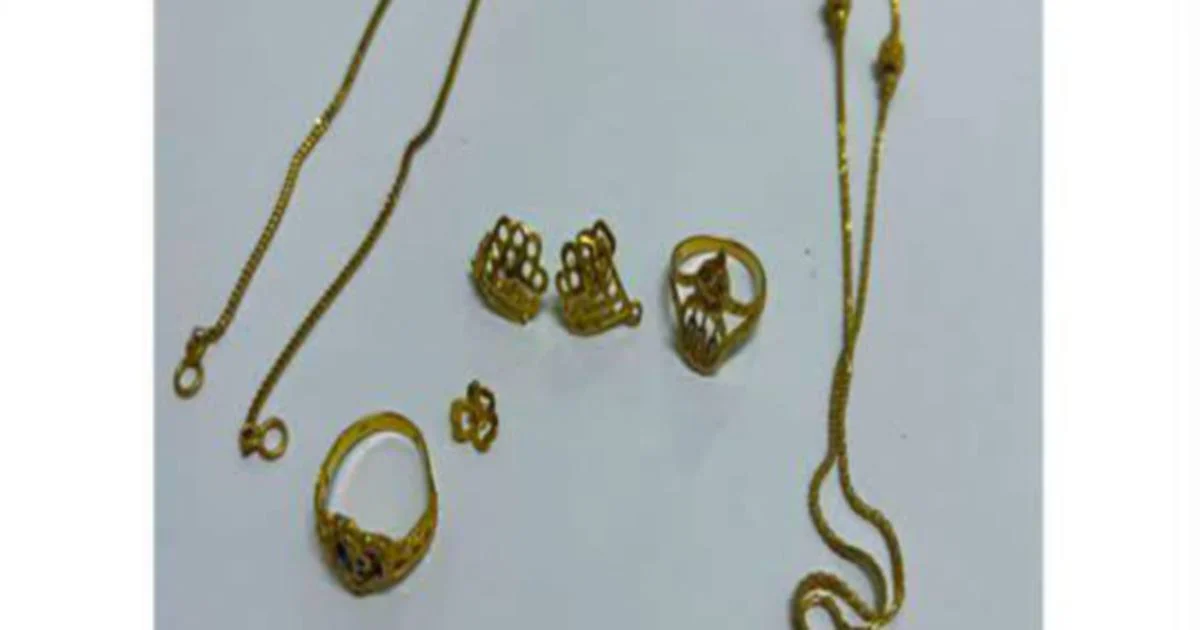
Police in Ipoh have made arrests in a brazen jewellery fraud that exploited an elderly resident's trust in government representatives. The suspects—a mother and her two adult children—are accused of masquerading as welfare department officials to gain access to a 67-year-old woman's home before stealing ornaments estimated at RM8,000. The case underscores a troubling trend of organised fraud rings targeting vulnerable seniors across Malaysia, often using false credentials and impersonation to bypass initial defences.
The arrests represent a significant development in efforts to dismantle organised scam networks that prey on the elderly. This particular investigation, conducted by Ipoh police, reveals how scammers deliberately select family members to execute different roles within a coordinated fraud operation. By working together, the accused individuals could execute a more convincing deception while dividing responsibilities in a way that makes the scheme harder for victims to report or police to unravel immediately.
Impersonating government officers remains one of the most effective social engineering techniques used by fraudsters in Malaysia. The perpetrators capitalised on the inherent trust most citizens place in welfare department staff, who legitimately conduct home visits and assessments. This familiarity with official processes allows imposters to move through initial moments of interaction with minimal suspicion, creating a critical window during which victims lower their guard and allow strangers into their homes.
The RM8,000 value of jewellery stolen suggests this was not a random opportunistic theft but part of a calculated targeting operation. Scam rings often conduct prior reconnaissance to identify homes containing valuable items, particularly those occupied by elderly residents living alone or with minimal supervision. In this region, precious metals and heirloom jewellery represent concentrated portable wealth that can be quickly liquidated through informal channels or pawnshops.
Family-based fraud operations present particular investigative challenges for law enforcement. When blood relatives collaborate on crimes, they typically maintain secure communication channels and trust networks that make surveillance and intelligence gathering more difficult. The involvement of two children alongside the mother suggests either recruitment into criminal activity or shared engagement in an existing fraud enterprise, raising questions about how long this particular operation had been running before detection.
Police forces across Malaysia have intensified warnings about welfare impersonation scams as these schemes multiply. Legitimate welfare officers typically carry proper identification cards issued by the relevant state social welfare department. They also work during standard office hours and rarely require cash payments or access to valuables during initial visits. Seniors and their families should independently verify any official visiting their homes by contacting the relevant government agency directly using published phone numbers rather than contact details provided by the visitors themselves.
The geographic context of Ipoh is significant within broader patterns of fraud victimisation. Perak state has substantial elderly populations in both urban and semi-rural areas, some of whom may be less digitally savvy regarding contemporary scam methodologies. Retirement communities and longer-established residential neighbourhoods where single-person households are more common present ideal hunting grounds for fraudsters who employ impersonation tactics requiring face-to-face interaction.
This case exemplifies why community awareness campaigns must extend beyond simple warnings about scams. Educational initiatives should emphasise the importance of independent verification, the protection of home access, and recognition that government representatives will never request valuables or cash during routine welfare assessments. Neighbourhood watch programmes that alert residents to suspicious visitors claiming official status have proven effective in some communities and deserve wider adoption.
The consequences for victims extend beyond immediate financial loss. Elderly persons targeted by home-invasion style fraud often experience prolonged psychological distress, diminished confidence in their own judgment, and increased isolation as they become more fearful of opening their homes to legitimate visitors. These secondary effects can damage seniors' quality of life and independence more severely than the monetary damage inflicted.
Investigation outcomes in cases like this depend heavily on whether police can establish the extent of the operation. If this was an isolated incident, prosecution may prove straightforward. However, if the mother and children have victimised multiple elderly residents across Ipoh or other locations, the investigation may expand significantly. Police typically examine financial records, communication devices, and residential locations to map the full scope of operations.
The case serves as a reminder that protecting elderly citizens requires coordinated effort involving law enforcement, community organisations, family members, and the seniors themselves. Government agencies must ensure their frontline officers are easily verifiable through transparent identification systems. Communities should establish protocols for elderly residents to report suspicious visitors immediately. Families should maintain regular contact with elderly relatives and educate them about contemporary scam tactics specific to their local areas.
As fraudsters adapt their methods to exploit new vulnerabilities, police and public awareness strategies must evolve in response. This Ipoh case, while specific in detail, represents a persistent challenge for Malaysian society in an era where scammers operate with increasing sophistication and coordination across state boundaries.

