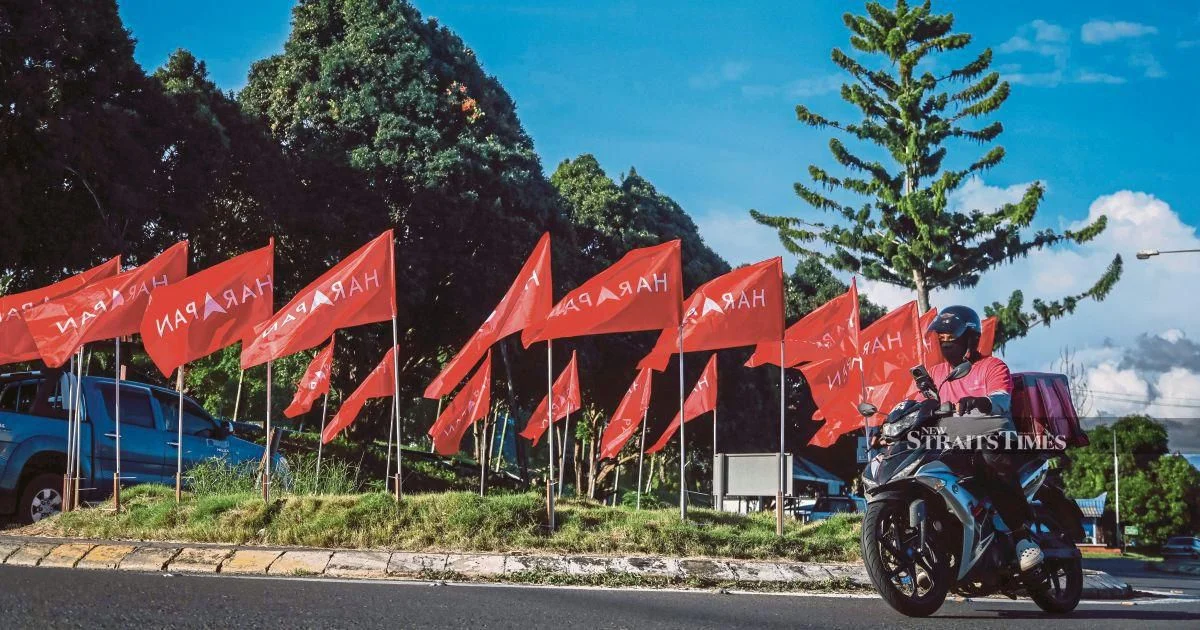
Pakatan Harapan has made clear it will set its own timeline for announcing its menteri besar candidate for the 16th Johor state election, dismissing suggestions that it should unveil its pick to satisfy rival coalitions. The opposition coalition's stance reflects a calculated political strategy that prioritises internal consolidation over external pressure to declare its leadership choice prematurely.
The decision represents a departure from conventional pre-election dynamics in Malaysian politics, where coalitions typically rush to announce their chief ministerial candidates to project confidence and unity. By resisting this impulse, Pakatan Harapan is attempting to control the election narrative and prevent premature scrutiny of its chosen leader. This approach allows the coalition more flexibility to negotiate internal positions and assess electoral ground conditions as polling day approaches.
Johor elections have historically served as testing grounds for broader political shifts in Malaysia. The state's role as a bellwether means that coalition performance here frequently influences subsequent national political calculations. Pakatan Harapan's measured approach suggests confidence in its organisational capacity and possibly reflects divisions over the menteri besar selection that require resolution away from public view.
The opposition's reticence also underscores the complexity of building electoral consensus across Pakatan Harapan's constituent parties. The coalition encompasses parties with distinct regional bases and ideological orientations, each with legitimate claims to senior positions in any future state government. Delaying the announcement allows negotiators time to broker compromise arrangements that satisfy all partners while maintaining public unity.
Rivals pushing for an early declaration likely view such pressure as tactically advantageous, believing that forcing Pakatan Harapan's hand might expose internal fault lines or enable them to attack a named candidate ahead of campaign season. By declining to be rushed, the opposition coalition denies its adversaries this opening and maintains strategic ambiguity that could benefit it electorally. Voters in Johor will ultimately decide the election based on performance records and policy platforms rather than the timing of opposition candidate announcements.
The political stakes in this state election extend beyond Johor's borders. Any significant shift in voter sentiment here could reverberate across Malaysia's electoral landscape, influencing calculations about national government formation and the relative strength of competing coalitions. Pakatan Harapan's composed approach to candidate selection suggests awareness of these broader implications and determination to avoid self-inflicted strategic errors that might undermine its prospects.
For Malaysian voters in Johor and observers nationwide, this tactical standoff highlights ongoing uncertainties about opposition readiness for governance responsibilities. The coalition's ability to maintain discipline and manage internal pressures without fracturing publicly will be closely watched as an indicator of its suitability for national office. A fumbled candidate selection process could prove costly to its electoral ambitions, particularly if internal disagreements become visible to the electorate.
The menteri besar position carries immense symbolic and practical importance in Johor, traditionally one of Malaysia's most prosperous and politically influential states. The person selected to lead Pakatan Harapan's campaign will need not only strong organisational credentials but also regional legitimacy and policy acumen suited to Johor's particular economic and social challenges. These multifaceted requirements make the selection process inherently complex, justifying a deliberate rather than rushed approach.
Pakatan Harapan's strategy also reflects lessons learned from previous election cycles where premature candidate announcements backfired or allowed opponents ample time to mobilise campaigns against named individuals. By keeping its options open, the coalition preserves flexibility to respond to evolving political conditions and adjust its approach based on ongoing polling and grassroots feedback. This adaptive posture could prove decisive in an election where margins of victory may be narrow.
Regional observers note that Malaysia's two-coalition system has created increasingly intense competition for state-level power, with each electoral contest carrying national significance. Johor's 16th state election will provide crucial data about voter sentiment on governance performance, economic management, and social policy during a period of Malaysian political realignment. The coalition choosing its menteri besar candidate with careful consideration rather than haste demonstrates serious intent about taking power responsibly.
The upcoming election will ultimately test whether Pakatan Harapan's calculated political approach translates into electoral success or whether voters punish the coalition for its perceived evasiveness. The menteri besar candidate, whenever announced, will carry the weight of these strategic decisions and public expectations accumulated during the campaign period. Johor voters will scrutinise both the choice itself and the process by which it was made, viewing these factors as indicators of potential governance quality.