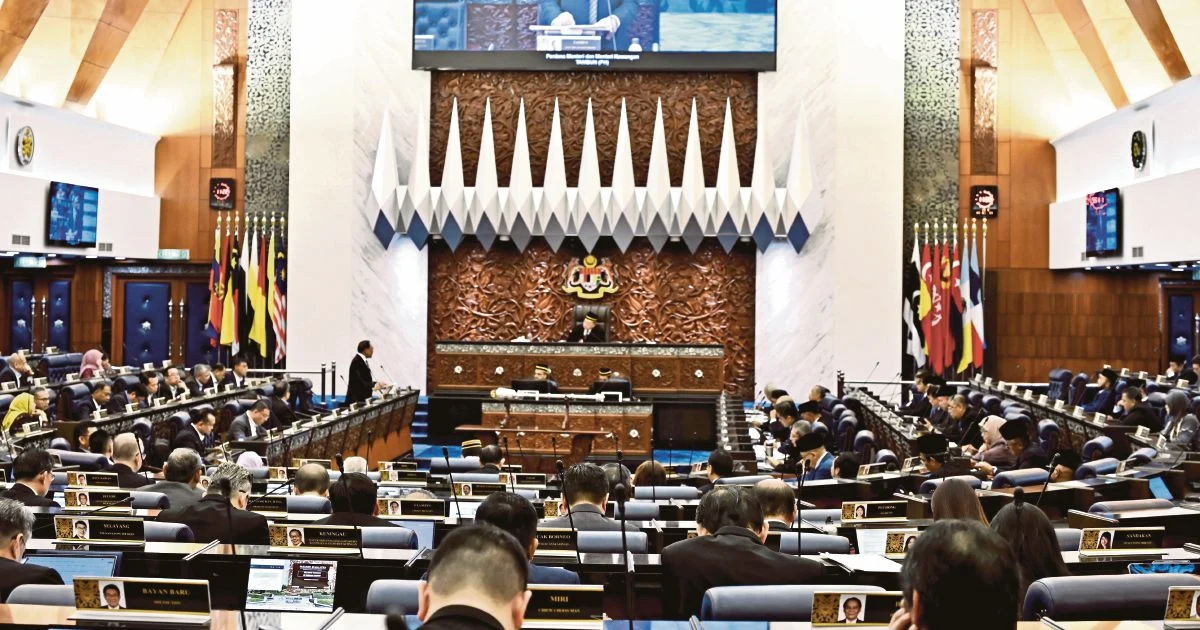
The Dewan Rakyat descended into acrimonious exchanges within the first hour of today's parliamentary sitting, as a disagreement centring on the opposition leader's constitutional standing spiralled into recriminations between ruling coalition and opposition benches. The flare-up exposed simmering tensions between PAS and Bersatu—two parties nominally allied in government but increasingly at odds over parliamentary strategy and party dynamics.
The incident highlights a fundamental instability within Malaysia's current political architecture. Since the formation of the Perikatan Nasional administration, PAS and Bersatu have maintained an uneasy partnership, united primarily by their shared exclusion of PKR and DAP from ministerial positions. However, recent months have witnessed mounting friction over resource allocation, policy direction, and what both camps perceive as unfair treatment. Today's parliamentary clash suggests those underlying grievances are now spilling into public view, undermining the facade of coalition unity that Kuala Lumpur's political establishment has sought to project internationally.
The parliamentary dispute itself centred on technical questions regarding opposition leadership recognition and procedural standing within the chamber. Such matters, while ostensibly procedural, carry substantial political weight in Malaysia's Westminster-influenced system. Opposition status determines parliamentary privileges, speaking time allocations, and access to government information through formal questioning mechanisms. Control over these levers grants opposition leadership platforms for scrutiny and public visibility—advantages neither PAS nor Bersatu is willing to cede lightly.
Takiyuddin, a senior opposition figure and prominent voice for his faction, articulated complaints that his party faced systematic marginalisation and what he characterised as coordinated pressure from government MPs. His allegations touched on a pattern familiar to Malaysian political observers: informal mechanisms of intimidation and isolation designed to weaken parliamentary opposition without formally breaching legislative rules. Such tactics have deep historical roots in Malaysian politics but remain controversial, particularly given the country's international commitments to democratic norms and parliamentary standards.
Government backbenchers responding to Takiyuddin's charges mounted a spirited defence, rejecting accusations of institutional bullying while levelling counter-allegations that opposition parties routinely exploited parliamentary procedures for partisan advantage. The intensity of the exchange suggests genuine fury beneath the surface rather than performative parliamentary theatre. When government legislators feel compelled to defend themselves against bullying accusations on the legislative floor, it typically indicates real fractures in coalition discipline and cohesion.
The eruption carries implications extending far beyond parliamentary decorum. Malaysia's coalition governments have historically depended on implicit understandings and informal power-sharing arrangements to function. The willingness of coalition MPs to openly clash suggests such arrangements are breaking down. If government backbenchers cannot be relied upon to maintain united messaging on fundamental questions of parliamentary procedure and protocol, broader legislative initiatives face significant implementation risks.
For Bersatu specifically, the incident reflects its precarious position within the Perikatan coalition. Originally dominating government as the party that engineered the 2020 political transition, Bersatu has gradually lost ground to PAS within the alliance structure. The party's reduced ministerial representation and limited policy influence have generated internal frustrations, with many Bersatu cadres viewing PAS as the primary beneficiary of the arrangement. Today's parliamentary clash provided an outlet for these accumulated grievances, even as it exposed the coalition's internal divisions to public scrutiny.
PAS, conversely, has consolidated considerable power within the alliance, benefiting from its stronger parliamentary numbers and more cohesive party discipline. The accusation that PAS bullies coalition partners reflects Bersatu's sense of diminishing relevance within an alliance it helped establish. Such perceptions, if they harden into party consensus, could trigger formal realignments or the breakdown of working relationships that remain technically intact. Malaysian coalition governments are uniquely vulnerable to such dynamics because formal coalition agreements often lack detailed enforcement mechanisms.
The broader context of Malaysian parliamentary opposition fragmentation also influences these dynamics. With PKR and DAP facing their own internal challenges and declining popularity in certain constituencies, the effectiveness of opposition oversight depends heavily on parties like PAS and Bersatu maintaining sufficient coherence to mount coordinated challenges. When these parties expend energy on internal disputes rather than scrutinising government policy, voters ultimately suffer from weakened parliamentary accountability.
Regional observers monitoring Malaysian political stability will likely view today's parliamentary scenes with concern. While heated exchanges occur regularly in democratic legislatures, the frequency and intensity of coalition-on-coalition accusations suggest underlying structural problems in how Malaysia's current government operates. Stability requires either formal coalition discipline mechanisms or informal trust-based arrangements. The parliamentary eruption indicates both may be eroding simultaneously.
The incident also underscores how personality-driven Malaysian politics remains. Takiyuddin's prominence in these exchanges reflects his standing as an effective parliamentary operator and articulate spokesperson for his faction. The willingness of government MPs to engage directly with him on substantive allegations, rather than dismissing concerns through party machinery, suggests Takiyuddin commands sufficient respect to compel direct responses even from coalition allies.
Moving forward, both coalition leaders and opposition figures will require sophisticated management skills to prevent such parliamentary clashes from cascading into broader political crises. Malaysia's political economy depends on legislative stability and predictable governance frameworks. When the ruling coalition's own internal tensions dominate parliamentary proceedings, that stability becomes increasingly elusive. Whether today's explosion represents a temporary release of pressure or signals deeper structural breakdown remains unclear, but the intensity of exchanges certainly warrants close monitoring by those concerned with Malaysia's democratic health.
%22%2F%3E%3C%2Fpattern%3E%3C%2Fdefs%3E%3Crect%20width%3D%22100%25%22%20height%3D%22100%25%22%20fill%3D%22url(%23ph12wosg)%22%2F%3E%3Crect%20width%3D%22100%25%22%20height%3D%22100%25%22%20fill%3D%22url(%23ph12wosp)%22%2F%3E%3Ctext%20x%3D%2250%25%22%20y%3D%2250%25%22%20text-anchor%3D%22middle%22%20dominant-baseline%3D%22central%22%20fill%3D%22rgba(255%2C255%2C255%2C0.95)%22%20font-family%3D%22Georgia%2C%20'Times%20New%20Roman'%2C%20serif%22%20font-weight%3D%22700%22%20font-size%3D%22170%22%20letter-spacing%3D%22-0.02em%22%3EMalaysia%3C%2Ftext%3E%3C%2Fsvg%3E)
%22%2F%3E%3C%2Fpattern%3E%3C%2Fdefs%3E%3Crect%20width%3D%22100%25%22%20height%3D%22100%25%22%20fill%3D%22url(%23ph2a8lcg)%22%2F%3E%3Crect%20width%3D%22100%25%22%20height%3D%22100%25%22%20fill%3D%22url(%23ph2a8lcp)%22%2F%3E%3Ctext%20x%3D%2250%25%22%20y%3D%2250%25%22%20text-anchor%3D%22middle%22%20dominant-baseline%3D%22central%22%20fill%3D%22rgba(255%2C255%2C255%2C0.95)%22%20font-family%3D%22Georgia%2C%20'Times%20New%20Roman'%2C%20serif%22%20font-weight%3D%22700%22%20font-size%3D%22170%22%20letter-spacing%3D%22-0.02em%22%3EMalaysia%3C%2Ftext%3E%3C%2Fsvg%3E)