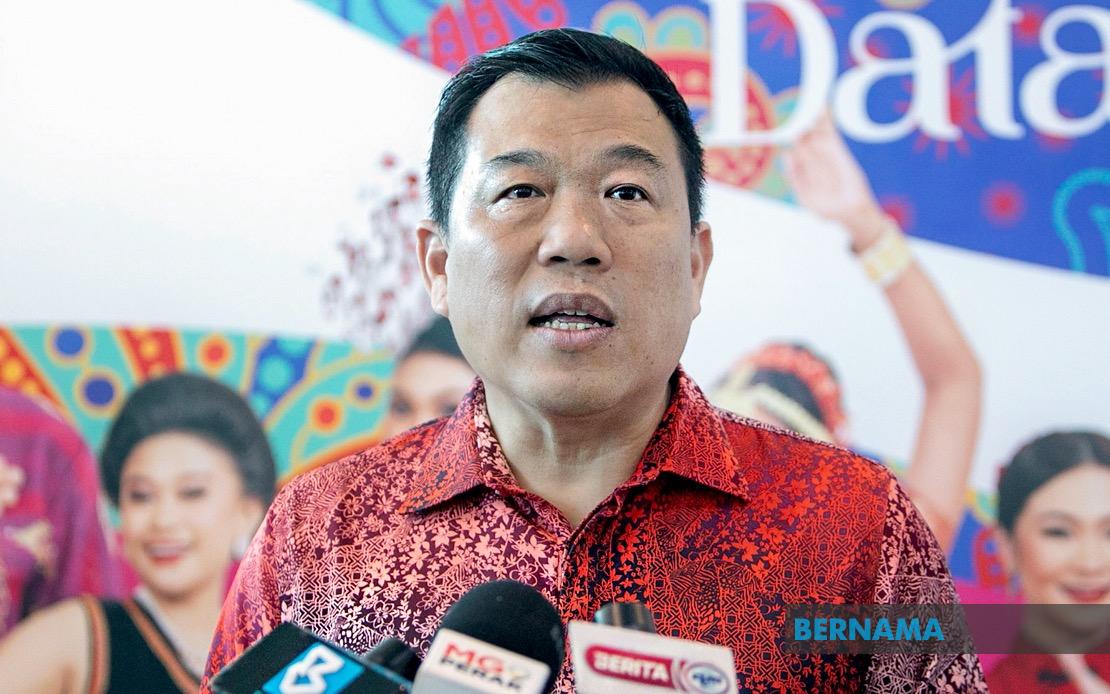
Perak's tourism sector is experiencing a nuanced recovery, with robust domestic visitation offsetting international headwinds. State Tourism, Industry, Investment and Corridor Development Committee chairman Loh Sze Yee revealed that overnight domestic tourist arrivals grew from 10.2 million in 2024 to 10.4 million in 2025, signalling sustained appetite among Malaysian travellers for regional destinations. Yet this positive trajectory masks underlying vulnerabilities in the state's international tourism infrastructure, with foreign visitor numbers contracting by approximately 1.5 per cent during the same period.
The decline in international arrivals stems from structural and cyclical challenges that extend beyond Perak's immediate control. A critical factor identified by Loh is the absence of regular flight services on the Singapore-Ipoh route, a connection that historically served as a key gateway for Southeast Asian visitors. The loss of this service represents a significant friction point in accessibility, forcing potential tourists to undertake longer ground transfers or reconsider their destination choices entirely. Simultaneously, the global aviation sector continues to grapple with elevated operational costs driven by persistent oil price volatility, constraints that ultimately translate into higher ticket fares and reduced capacity for leisure travel.
Within Malaysia's broader domestic tourism landscape, Perak occupies a respectable but secondary position. According to data released by Chief Statistician Datuk Seri Dr Mohd Uzir Mahidin, Selangor dominated the rankings with 36.4 million domestic visitors, followed closely by Kuala Lumpur at 35.1 million. Perak's 23.6 million domestic arrivals place it as the third most-visited state, reflecting its considerable appeal to Malaysian holiday-makers yet also highlighting the concentration of tourism activity in the Klang Valley corridor. For Perak, this positioning carries both opportunity and challenge: the state benefits from established tourism consciousness among domestic travellers, yet must compete for market share against more heavily promoted destinations.
The strategic positioning of Ipoh as a tourism hub received formal validation through its selection to host Pantai Timur Fest 2026. According to Tourism Malaysia director-general Mohd Amirul Rizal Abdul Rahim, the choice reflects Ipoh's status as a primary gateway and distribution point for eastern corridor destinations. This designation represents a calculated attempt to leverage Ipoh's central geographic location and existing tourist infrastructure to promote the unique offerings of Kelantan, Terengganu, and Pahang to visitors spanning northern, central, and southern regions of Peninsular Malaysia. The festival framework acknowledges a fundamental challenge facing Malaysia's regional tourism development: dispersed attractions require coordinated marketing and packaging to achieve visibility and appeal among time-constrained domestic travellers.
Pantai Timur Fest 2026 comprises a comprehensive ecosystem of 30 exhibition booths representing diverse tourism industry participants from the three participating states. The exhibitor roster spans traditional lodging providers, theme park operators, cultural attractions, and digital travel intermediaries, collectively offering a curated catalogue of experiences. This assembly creates a marketplace environment where tourism product owners can directly engage potential customers, negotiate group bookings, and introduce lesser-known attractions to audiences who might otherwise default to established destinations. The inclusion of online travel agents reflects the increasing significance of digital platforms in tourism distribution, particularly among younger Malaysian demographic cohorts accustomed to researching and booking experiences through mobile applications.
Beyond commercial transactions, the festival programming incorporates cultural and experiential dimensions designed to generate emotional investment in eastern corridor destinations. Cultural performances, traditional craft demonstrations, and heritage food promotions serve dual functions: they provide immediate entertainment value to festival attendees while simultaneously communicating the distinctive cultural identity of each state. Interactive activities and hands-on craft demonstrations lower the psychological barrier to experiencing unfamiliar cultural practices, transforming abstract awareness into embodied familiarity. This experiential approach recognises that tourism decisions increasingly hinge not merely on price competitiveness but on the promise of authentic, memorable encounters.
The festival's timing aligns strategically with the Visit Malaysia 2026 campaign, a nationwide promotional initiative aimed at reinvigorating inbound and domestic tourism following recent global disruptions. Special offers and discounted travel packages announced during the festival serve as immediate purchase incentives while generating momentum heading into the campaign's peak seasons. For the eastern corridor states, this represents a critical opportunity to capture market share during a period of heightened national tourism consciousness and elevated marketing investment. Simultaneously, promotional collaboration at the state level demonstrates coordination among regional tourism authorities, a prerequisite for effective positioning against international competitors.
The divergence between domestic and international tourism trends in Perak reflects broader structural challenges facing Malaysian tourism. While domestic travellers demonstrate resilience and stability, generating steady demand for regional destinations, international competitiveness increasingly depends on connectivity, pricing, and brand positioning. The absence of direct Singapore-Ipoh flights exemplifies how infrastructure gaps compound market disadvantage: potential visitors accustomed to seamless international travel experiences may abandon plans when faced with cumbersome transfer arrangements. Addressing this requires coordinated intervention across aviation policy, airport management, and tourism promotion—a challenge that transcends individual state capacity.
For Malaysian tourism stakeholders, Perak's experience offers valuable lessons regarding market segmentation and resilience. The 1.9 per cent growth in domestic arrivals, while modest in percentage terms, represents substantial absolute volumes and demonstrates the commercial viability of domestic-focused positioning. This insight carries particular relevance for states lacking the international brand recognition or accessibility of traditional destinations like Penang or Selangor. Rather than pursuing resource-intensive international expansion, states might achieve more sustainable returns by deepening domestic market penetration, developing product differentiation, and leveraging regional hubs like Ipoh for broader corridor promotion.
Looking forward, Perak's trajectory will likely depend on resolving connectivity constraints while capitalising on Visit Malaysia 2026 momentum. The restoration of Singapore-Ipoh flights would immediately improve regional accessibility and signal international market confidence. Simultaneously, effective execution of Pantai Timur Fest 2026 and subsequent eastern corridor promotions could establish differentiated market positioning, attracting travellers seeking alternatives to conventional destinations. For domestic tourism patterns, growth is expected to persist given underlying preference for regional travel among Malaysian households, though premium experience segments may continue requiring international connectivity improvements. The interplay between these factors will determine whether Perak consolidates its position as a secondary tourism destination or leverages emerging opportunities for enhanced regional prominence.