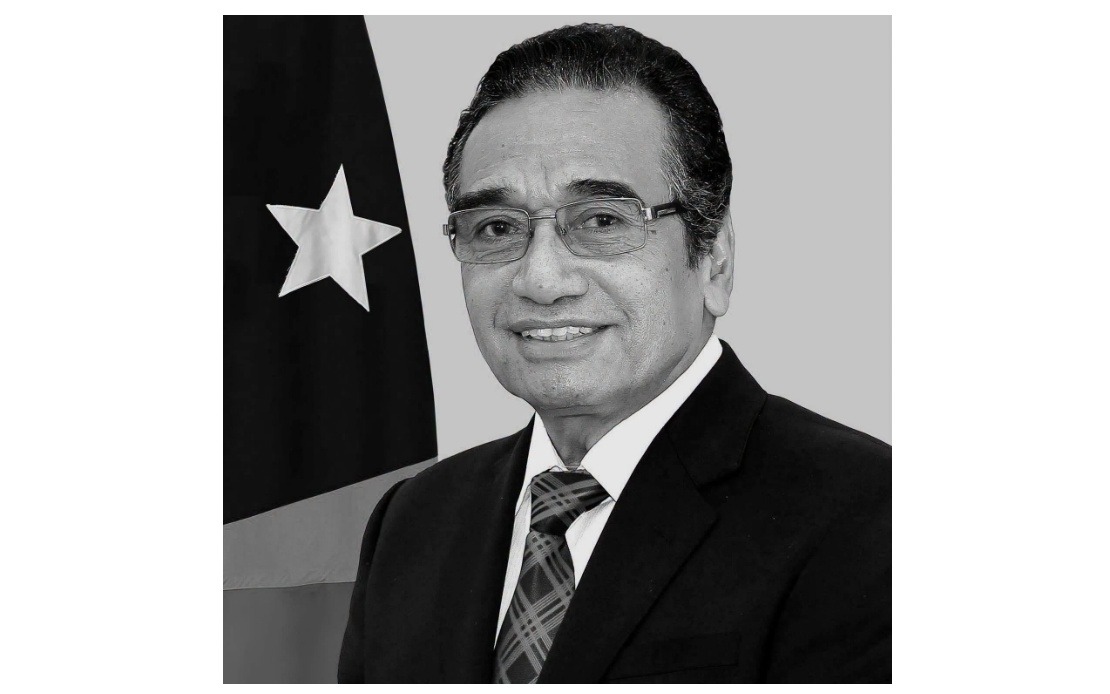
Prime Minister Datuk Seri Anwar Ibrahim has offered Malaysia's formal condolences following the death of Francisco Guterres, the former president of Timor-Leste, who died on June 21 at Prince Court Hospital in Kuala Lumpur at the age of 71. The passing marks the end of an era for Southeast Asia's youngest nation, as Guterres represented a generation of leaders who shaped the region's modern political landscape through their struggle for sovereignty and democratic governance.
Anwar paid tribute to Guterres through a Facebook post, acknowledging his pivotal role in steering Timor-Leste through critical phases of nation-building. The Prime Minister's statement reflected Malaysia's recognition of Guterres' historical significance, not merely as a ceremonial figurehead but as a transformative leader who bridged the nation's fractured past with its institutional future. His death comes at a moment when Southeast Asia continues to grapple with questions of democratic consolidation and regional stability, concerns that Guterres had dedicated much of his public life to addressing.
Guterres served as President of Timor-Leste from 2017 to 2022, a five-year tenure that represented the culmination of decades spent in the independence struggle. Before assuming the presidency, he held the position of President of the National Parliament, demonstrating his commitment to institutional development even as he maintained his symbolic role as Head of State. This progression through constitutional positions underscored his belief in the importance of formal democratic processes for a fledgling nation that had only recently emerged from foreign occupation and conflict.
The late president was widely known by his resistance name, Lú-Olo, an identity that carried deep symbolic weight in Timorese society. This nickname was not merely a label but represented his identity within the clandestine networks that fought against Indonesian occupation. For Timorese citizens, particularly older generations who lived through the struggle, the name embodied the sacrifice and resilience that defined their nation's path to independence. Anwar's reference to this aspect of Guterres' life demonstrated Malaysia's understanding of how deeply rooted Timorese national identity remains connected to the independence movement.
The timing of Guterres' death in a Malaysian hospital highlights the interconnectedness of Southeast Asian nations in times of both crisis and cooperation. Kuala Lumpur has increasingly become a hub for regional medical tourism and diplomatic engagement, and the fact that Guterres sought treatment there underscores the historical relationship between Malaysia and Timor-Leste. Following intensive medical intervention, his condition deteriorated, but his choice to receive care in Malaysia reflects the trust and ties that bind the region together.
Guterres' contribution to Timor-Leste extended far beyond his formal presidential duties. He was recognized as one of the architects of the nation's post-independence institutional framework, helping to establish parliamentary traditions and constitutional mechanisms that have largely held steady despite numerous political challenges. His generation faced the unique responsibility of building institutions from scratch while managing deep historical trauma and competing visions for the nation's future. In this sense, his legacy encompasses not just what he did in office but the foundations he helped construct for subsequent leaders.
Malaysia's official mourning stance, as conveyed by Anwar, reflects the diplomatic protocols that govern relations between Southeast Asian nations but also genuine recognition of shared struggle. Both Malaysia and Timor-Leste have navigated experiences of colonial rule and the complexities of building stable democracies in a challenging regional context. The Prime Minister's statement that Malaysia would "mourn his passing alongside the Timorese people" carried implicit acknowledgement of these parallel journeys and mutual respect for overcoming significant historical obstacles.
For the Malaysian public and policymakers, Guterres' passing serves as a reminder of the sacrifices made by regional leaders in securing independence and establishing democratic institutions. At a time when Southeast Asia faces questions about democratic backsliding and the strength of institutional checks on executive power, Guterres represented a leader who prioritized constitutional governance despite the pressures facing a young nation. His death marks not just the loss of an individual but the diminishment of the cohort of founding leaders who shaped the region's contemporary political character.
The international dimension of Guterres' final days and Malaysia's role in hosting his medical care also underscores how health crises transcend borders in our interconnected region. Regional leaders increasingly rely on each other's medical facilities, creating another layer of interdependence beyond traditional political and economic ties. This pattern will likely continue as Southeast Asian nations develop healthcare capabilities that attract regional and international patients seeking advanced treatment.
As Timor-Leste mourns, questions naturally arise about the nation's continued trajectory and how new leadership will build upon or depart from Guterres' vision. His presidency coincided with attempts to consolidate democratic gains and address lingering developmental challenges, though his tenure also encountered obstacles common to post-conflict states. The loss of such a historically significant figure leaves a void in regional memory and expertise that will affect how Timor-Leste navigates future challenges.
Anwar's condolence message, while formally polite, carried substantive content acknowledging Guterres' specific achievements and his place in Timorese history. By invoking Guterres' role in the resistance movement and his subsequent institutional contributions, the Prime Minister ensured that the tribute went beyond ceremonial formality to recognize genuine accomplishment. This approach reflects Malaysia's diplomatic maturity and its understanding that meaningful condolences require engagement with a person's actual legacy rather than generic platitudes.
The passing of Francisco Guterres represents a significant moment for Southeast Asia, closing another chapter in the region's ongoing story of independence struggles, institutional development, and democratic consolidation. His generation of leaders faced unique historical circumstances that required both moral courage and practical wisdom in building functioning states from conflict-torn territories. As Malaysia and the broader region reflect on his contributions, his death reminds policymakers and citizens alike of the continuing importance of strengthening institutions and democratic practices that can endure beyond individual leaders.

%22%2F%3E%3C%2Fpattern%3E%3C%2Fdefs%3E%3Crect%20width%3D%22100%25%22%20height%3D%22100%25%22%20fill%3D%22url(%23ph4uc2pg)%22%2F%3E%3Crect%20width%3D%22100%25%22%20height%3D%22100%25%22%20fill%3D%22url(%23ph4uc2pp)%22%2F%3E%3Ctext%20x%3D%2250%25%22%20y%3D%2250%25%22%20text-anchor%3D%22middle%22%20dominant-baseline%3D%22central%22%20fill%3D%22rgba(255%2C255%2C255%2C0.95)%22%20font-family%3D%22Georgia%2C%20'Times%20New%20Roman'%2C%20serif%22%20font-weight%3D%22700%22%20font-size%3D%22170%22%20letter-spacing%3D%22-0.02em%22%3EElephant%3C%2Ftext%3E%3C%2Fsvg%3E)
%22%2F%3E%3C%2Fpattern%3E%3C%2Fdefs%3E%3Crect%20width%3D%22100%25%22%20height%3D%22100%25%22%20fill%3D%22url(%23ph12wosg)%22%2F%3E%3Crect%20width%3D%22100%25%22%20height%3D%22100%25%22%20fill%3D%22url(%23ph12wosp)%22%2F%3E%3Ctext%20x%3D%2250%25%22%20y%3D%2250%25%22%20text-anchor%3D%22middle%22%20dominant-baseline%3D%22central%22%20fill%3D%22rgba(255%2C255%2C255%2C0.95)%22%20font-family%3D%22Georgia%2C%20'Times%20New%20Roman'%2C%20serif%22%20font-weight%3D%22700%22%20font-size%3D%22170%22%20letter-spacing%3D%22-0.02em%22%3EMalaysia%3C%2Ftext%3E%3C%2Fsvg%3E)