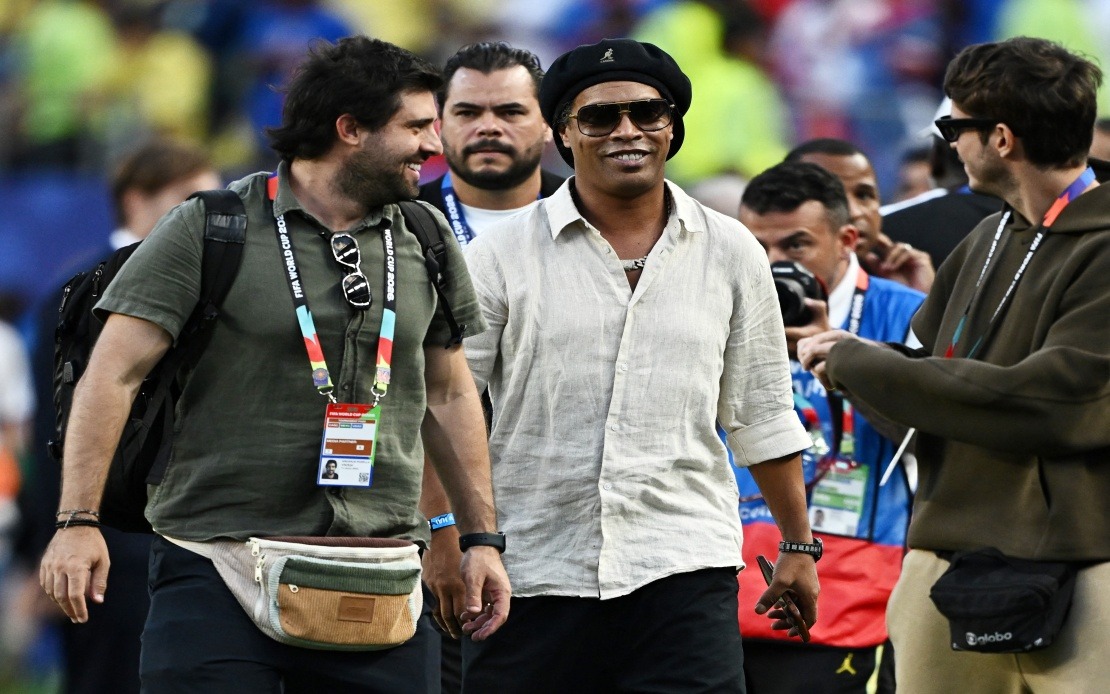
At 46 years old, Ronaldinho appears poised to defy the conventional boundaries of professional athletic retirement. The legendary Brazilian midfielder plans to sign with Ravenna, a club competing in Italy's third division, according to reports from the German Press Agency. While the formal signing remains pending confirmation at a scheduled event in Miami, the prospect of the iconic figure stepping back into competitive football has captured global attention and reignited discussion about longevity in modern sport.
Ravenna's involvement in this remarkable venture signals the club's ambition to leverage star power for commercial and sporting purposes. The initiative aligns with growing trends in professional football where established clubs seek celebrity talent to bolster their profile and potentially attract larger audiences. For a third-tier Italian outfit, securing someone of Ronaldinho's stature represents an unprecedented marketing opportunity, regardless of actual playing time. The deal involves club owner Ignazio Cipriani, a prominent businessman with extensive hospitality industry interests, whose personal connection with the Brazilian star appears instrumental in facilitating the arrangement.
The precise nature of Ronaldinho's role remains deliberately ambiguous. According to Italian sports publication Gazzetta dello Sport, a formal contract will be completed, yet ambiguity persists regarding his participation in actual matches. Ravenna's vice-president Ariedo Braida acknowledged this uncertainty while maintaining optimism about possibilities. His comment that Ronaldinho "is a champion, he knows no age" reflects both admiration for the player's legendary status and the club's pragmatic acceptance that competitive involvement may prove secondary to the broader commercial dimensions of the arrangement.
Ronaldinho's illustrious career achievements provide context for understanding the continued fascination surrounding his name. The Brazilian secured the prestigious World Footballer of the Year award on two occasions and captained his national team to World Cup victory in 2002, cementing his place among football's greatest talents. His exploits with Barcelona proved transformative for the Catalan club, delivering the Champions League title in 2006 and establishing a template for attacking football that influenced the sport for subsequent decades. Later in his career, he added the Copa Libertadores trophy with Atletico Mineiro in 2013, demonstrating sustained excellence across different continents and competitive levels.
The gap between his final professional appearance and this potential comeback spans nearly a decade. Ronaldinho's last official match occurred in 2015 while representing Fluminense, the Rio de Janeiro club where he began his professional journey. Subsequently, he ventured into India's Premier Futsal League, competing in two separate seasons before formally concluding his playing career in 2017. This extended period away from professional competition makes any return attempt genuinely unconventional, distinguishing it from typical athlete comebacks that typically follow shorter absences.
Ronaldinho's enthusiasm for this venture emerged through published statements highlighting his emotional connection to football. He expressed eagerness to "dance with the ball again," a phrase reflecting both his artistic approach to the sport and the joy he derived from performance. His reference to writing "a new story" with the Cipriani family indicates personal relationship dimensions transcending purely contractual arrangements. These sentiments suggest genuine interest in re-engaging with competitive football rather than purely financial motivation, though commercial considerations inevitably feature in any such arrangement at this professional level.
For Southeast Asian football enthusiasts and Malaysian readers particularly, Ronaldinho's attempted return carries broader significance regarding player development pathways and career longevity. The region has increasingly attracted veteran international players seeking to extend careers or pursue varied opportunities. Understanding how established players approach later-career transitions informs discussions about competitive levels, player management, and the evolving global football economy. Ravenna's approach of securing legendary talent regardless of immediate playing prospects illustrates how smaller European clubs increasingly target international profiles to enhance their market position and supporter engagement.
The scheduled Miami event intended to provide clarity on the arrangement reflects modern football's globalized nature. Major announcements increasingly occur outside traditional sporting jurisdictions, often in financial centers where substantial commercial stakeholders maintain operations. This location choice underscores that business considerations and international marketing dimensions substantially influence contemporary professional football announcements, particularly involving prominent figures from previous generations.
Ronaldinho's potential involvement with Ravenna ultimately represents contemporary sport's fascination with narrative continuity and celebrity revival. Whether he ultimately participates in matches or contributes primarily through commercial and promotional activities, his association with the Italian club constitutes a noteworthy development in football's ongoing evolution. The arrangement demonstrates how reputation, marketability, and personal relationships continue shaping professional sport's upper echelons, often transcending traditional performance metrics and competitive hierarchies that typically govern player valuations and club acquisition strategies.