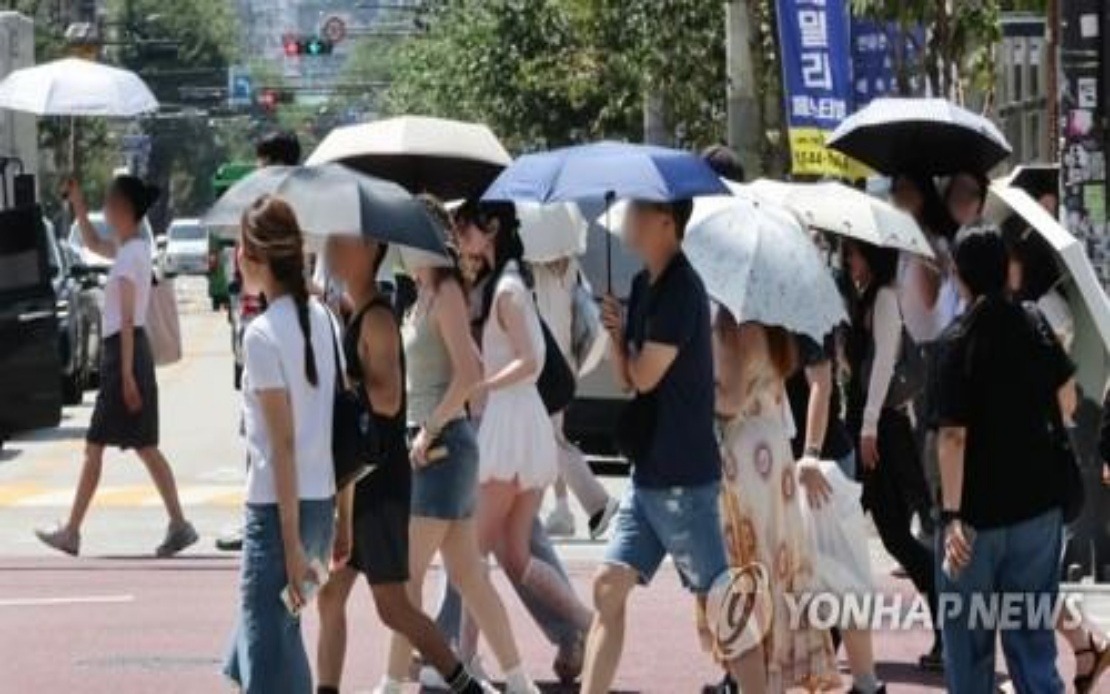
South Korea is grappling with an exceptionally severe heat wave that has pushed temperatures above the 40-degree Celsius mark in multiple major cities. The Korea Meteorological Administration recorded 40.2°C in Seoul's Nowon district on Friday afternoon at 3.28 pm, marking a significant milestone for the nation's capital. This reading represents the first occasion since August 1, 2018—when Seoul hit 41.8°C—that the city has experienced such extreme temperatures, underscoring the relentless nature of the current weather emergency that has persisted for weeks.
The dangerous conditions extend well beyond the capital. Hanam's Deokpung district, situated just to the southeast of Seoul in Gyeonggi Province, registered an even higher temperature of 40.7°C at 2.32 pm on the same day. Simultaneously, Gwangyang, a major industrial city roughly 300 kilometres south of Seoul, reached 40.2°C at 2.37 pm. The widespread nature of these extreme readings across different regions demonstrates that this is not a localised phenomenon but rather a national crisis affecting the entire peninsula. Lesser peaks were recorded in other areas, with Yeongweol in Gangwon Province and Yeoju in Gyeonggi Province both approaching 40°C at 39.8°C.
The heat wave has created historically significant patterns in terms of duration and intensity. Since June 1, South Korea has experienced an average of 14.8 days classified as heat wave days—defined as periods when daytime temperatures reach 33°C or above. This figure represents the fourth-highest count for this period since the nationwide weather observation network was established in 1973, placing the current situation among the most severe on record. More alarming still is the unprecedented frequency of tropical nights, when overnight minimum temperatures fail to drop below 25°C. The nation has already recorded 13 consecutive tropical nights, establishing a new national record and highlighting the absence of relief even after sunset.
These tropical nights carry particular significance for public health and safety in Malaysia and Southeast Asia more broadly. Unlike in temperate climates where nightfall provides natural cooling, tropical nights prevent the human body from recovering from daytime heat stress. This phenomenon is particularly dangerous for vulnerable populations including the elderly, children, and those with pre-existing health conditions. The inability of indoor spaces to cool adequately overnight strains electricity grids, increases air-conditioning costs that low-income households struggle to afford, and contributes to heat-related mortality that often goes unreported in official statistics.
The meteorological administration has adjusted its warning system in response to the changing conditions. Seoul and the eastern and southwestern regions of the country had been under the highest-tier serious heat wave warning since Tuesday. Under KMA guidelines, such warnings are triggered when apparent temperatures—which factor in humidity and wind conditions—are projected to reach 38°C or higher, or when daily maximum temperatures exceed 39°C in areas where the perceived temperature already reaches 35°C for two or more consecutive days. The downgrade to ordinary warning status at 6 pm Friday suggests a marginal improvement expected over the weekend.
Forecasts indicate that relief will be partial and temporary. The Korea Meteorological Administration predicts that overnight lows nationwide will range between 21°C and 26°C on Saturday, while daytime highs will span from 26°C to 35°C. While this represents a decrease from recent peaks, temperatures in the low-to-mid 30s Celsius remain uncomfortable and dangerous for extended outdoor activity. The prospect of continued sweltering conditions throughout the weekend means that the crisis period extends beyond the initial dangerous spike, maintaining pressure on public services and individual health management.
For Malaysian readers and those across Southeast Asia, South Korea's situation offers important lessons and warnings. The region already experiences intense heat and humidity as part of its tropical climate, but evidence from advanced Asian economies suggests that climate change is intensifying extreme weather events even in regions with sophisticated infrastructure and early-warning systems. South Korea's experience demonstrates that high-income nations with modern cooling technology and emergency response capabilities still face significant challenges when heat waves reach record intensity. The plight of ordinary citizens, from workers unable to remain outdoors to hospital admissions spiking, illustrates the social and economic costs of extreme heat.
The pattern emerging across East Asia reflects broader climate trends affecting the wider region. Rising ocean temperatures, shifting monsoon patterns, and increased atmospheric instability are creating conditions where heat waves become not anomalies but increasingly frequent events. Malaysia, Thailand, and neighbouring countries with similar latitudes must consider how their own infrastructure, healthcare systems, and labour protections might need enhancement as baseline temperatures rise and extreme events become more common. The experience of Seoul, with its advanced weather monitoring and substantial resources, suggests that preparedness and adaptation require sustained investment beyond emergency response alone.
The downgrading of Seoul's warning status should not obscure the underlying severity of South Korea's situation or mask the longer-term challenges facing the entire region. While weekend conditions may improve slightly, meteorologists acknowledge that sweltering weather will persist. For policymakers and planners across Southeast Asia, the message is clear: extreme heat events are no longer distant possibilities but present realities requiring comprehensive strategies encompassing urban planning, energy infrastructure, public health capacity, and social support systems. The record tropical nights and sustained heat wave duration suggest that adaptation to a warmer climate must become a central priority for all East and Southeast Asian nations.

