A Shanghai property swindler has been handed a prison sentence of 10 years and three months following his arrest for an elaborate scheme in which he convinced longtime friends to purchase a residential unit he did not own, defrauding them of more than 700,000 yuan, equivalent to approximately US$103,000. The case, which unfolded over a two-year period beginning in 2023, exemplifies the vulnerabilities that arise when personal trust intersects with property transactions conducted outside formal regulatory channels—a concern that extends across China and carries lessons for property buyers throughout the region.
Sun, the perpetrator, is a Shanghai native with a troubling criminal history. Before embarking on this particular scheme, he had operated two retail businesses that ultimately failed, and he had previously served prison time for fraud-related offences. Upon his release from incarceration in 2017, however, he encountered a married couple with whom he had maintained a friendship spanning nearly three decades. Despite their own precarious circumstances as migrant workers earning modest incomes in Shanghai, the couple extended consistent support to Sun, providing him with meals, financial assistance, and emotional encouragement throughout his reintegration into society.
Sun's presentation to his benefactors was deliberately crafted to project an image of wealth and influence. He leveraged his status as a native Shanghainese and made unsubstantiated claims about owning multiple retail properties, while simultaneously asserting that he possessed valuable connections through a cousin purportedly serving on the village committee. This carefully constructed facade of financial stability and social standing positioned him as someone capable of accessing exclusive property opportunities unavailable to ordinary buyers. When the couple expressed their desire to find affordable housing and ultimately settle permanently in Shanghai, Sun recognised an opportunity to exploit their vulnerability and their deep-seated trust in him.
Beginning in 2023, Sun initiated a systematic extraction of funds from the couple under the guise of legitimate property acquisition. He convinced them that he had located discounted residential units and required their financial participation to secure these deals. Over the subsequent months, he collected instalments totalling more than 700,000 yuan, representing roughly 40 percent of the average annual household income for migrant workers in major Chinese cities. Sun maintained that these payments would be credited toward the eventual purchase price and would offset loan arrangements he was ostensibly facilitating on their behalf.
After accumulating substantial sums over two years, Sun escalated his demands. He claimed to have identified an ideal relocation flat—a category of subsidised housing typically allocated to displaced residents—and insisted on an additional 400,000 yuan, approximately US$59,000, to finalise the transaction. At this juncture, however, the couple began preparing to take possession of the property. It was then that Sun's deception unravelled, as he had never obtained legitimate ownership of any residential unit.
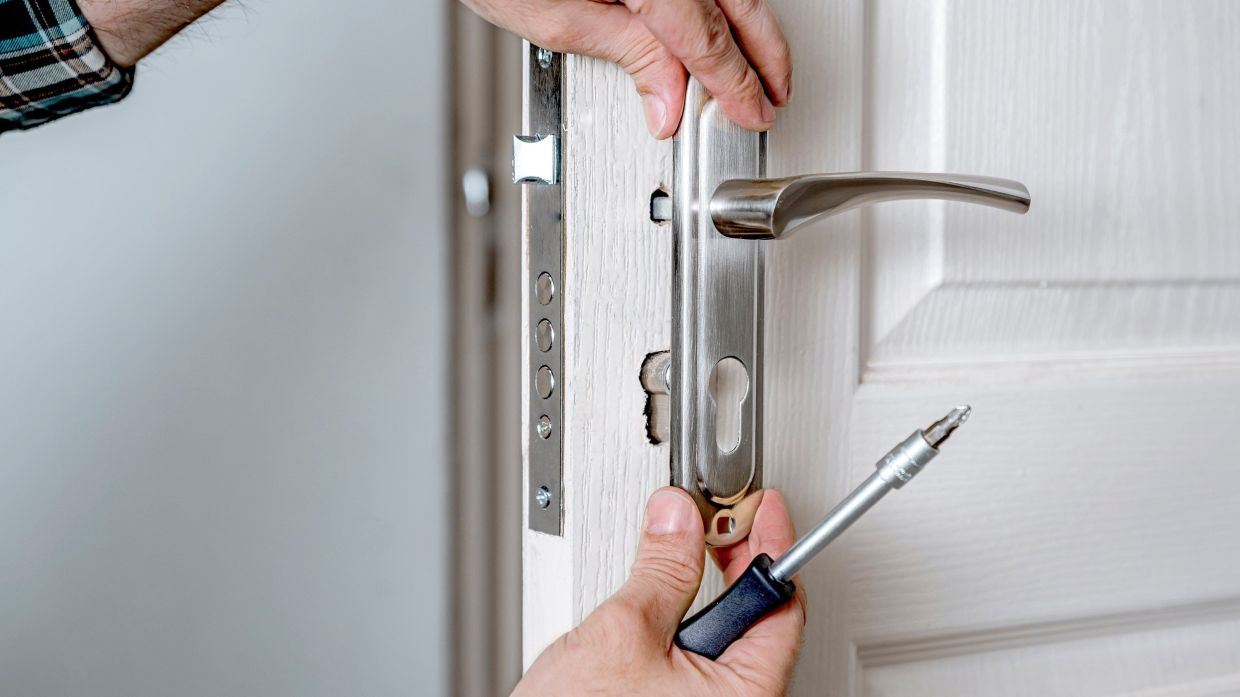
To execute his scheme, Sun identified a long-vacant apartment within a resettlement housing estate in Shanghai. The legitimate owner, surnamed Wang, had left the unit unoccupied for over three months while engaging a property agent to locate tenants. Exploiting this vulnerability, Sun hired a locksmith, falsely claiming he had misplaced his keys to the apartment. The locksmith, apparently without requesting proof of ownership or conducting proper verification, changed the lock on the unit. Sun then presented himself to the couple as the rightful owner, granted them access using the new keys, and executed a fraudulent sales contract bearing his signature.
The fraud remained undetected until May 2025, when Wang returned to the property accompanied by a prospective tenant. Upon discovering that his original key no longer functioned, Wang immediately suspected foul play. Subsequent review of surveillance footage confirmed that the lock had been replaced without authorisation. Wang promptly reported the matter to police, initiating a criminal investigation that culminated in Sun's apprehension.
When confronted by authorities, Sun admitted to the crime but offered little prospect of restitution. He acknowledged spending virtually all of the 700,000 yuan to settle accumulated debts and cover his living expenses. Since the couple had not yet tendered the final 400,000 yuan payment at the time of discovery, their total loss stood at just over 700,000 yuan, with minimal likelihood of recovery. The couple has remained silent publicly regarding their ordeal, presumably devastated by the betrayal of someone they had supported through multiple decades of friendship.
A Shanghai court convicted Sun of fraud and imposed both a custodial sentence of 10 years and three months and a monetary fine of 100,000 yuan, approximately US$15,000. The judicial response reflects the severity with which Chinese courts treat property fraud, particularly cases involving premeditation and exploitation of personal relationships. However, the status of the locksmith who facilitated the lock change remains ambiguous, with no public confirmation of whether this individual faced investigation or consequences for his role in the scheme.
The case provoked substantial backlash across Chinese social media platforms, with online commentators expressing moral outrage at Sun's ingratitude toward individuals who had demonstrated remarkable compassion despite their own financial constraints. Observers noted that the couple's fundamental error lay in failing to independently verify property ownership documentation and relying instead on personal assurance from someone they had trusted for decades. This observation underscores a critical principle: property transactions demand formal verification regardless of the personal standing or claimed connections of the seller.
For Malaysian and Southeast Asian property buyers, this case serves as a cautionary narrative about the enduring risks associated with informal property dealings. Even in jurisdictions with more developed regulatory frameworks and title registration systems than those in some regions of mainland China, circumventing formal channels creates opportunities for fraud. Real estate professionals and consumer advocates across the region consistently emphasise the necessity of conducting independent title searches, engaging licensed property agents, obtaining professional legal counsel, and verifying all documentation through official channels—practices that prove equally vital whether transactions occur between strangers or among long-established acquaintances.
The psychological dimension of this fraud also merits consideration. Sun's exploitation of the couple's generosity and their deep trust represents a particularly insidious form of moral transgression, suggesting that vulnerability to property fraud extends beyond financial naivety to encompass emotional susceptibility. Those who have extended kindness and support to others may experience particular difficulty in questioning motives or demanding verification from the beneficiaries of their largesse, a psychological reality that fraudsters deliberately weaponise. Awareness of this dynamic, paired with institutional safeguards requiring third-party verification in property transactions, can substantially mitigate such risks.

