Authorities in South Korea have moved to prosecute a woman in her 30s who allegedly orchestrated an extensive ticket-scalping operation targeting high-demand K-pop concerts, including exclusive performances by supergroup BTS. The Seoul Metropolitan Police Agency announced on August 26 that it had referred the suspect to prosecutors after uncovering a scheme in which she used sophisticated macro software to circumvent purchase restrictions and automate the buying of approximately 2,600 concert tickets over a three-year period. The investigation reveals a highly organized approach to exploiting the intense demand for K-pop events, one of South Korea's most valuable cultural exports, with investigators estimating that the woman generated around 442 million won (approximately US$319,000 or S$409,000) through resale markups.
The mechanics of the scalping operation demonstrate how technology can be weaponized to circumvent consumer protections designed to ensure fair access. According to police findings, the woman operated her scheme between April 2023 and March 2026, employing the automated software to complete online transactions at speeds far exceeding normal user capabilities. Most K-pop concerts in South Korea implement per-person ticket limits, typically restricting purchases to one or two tickets per performance date to prevent exactly this type of hoarding. The suspect circumvented these safeguards by creating multiple accounts under the names of relatives and acquaintances, allowing her to bypass the system's detection mechanisms and accumulate tickets on a massive scale before reselling them at substantially marked-up prices.
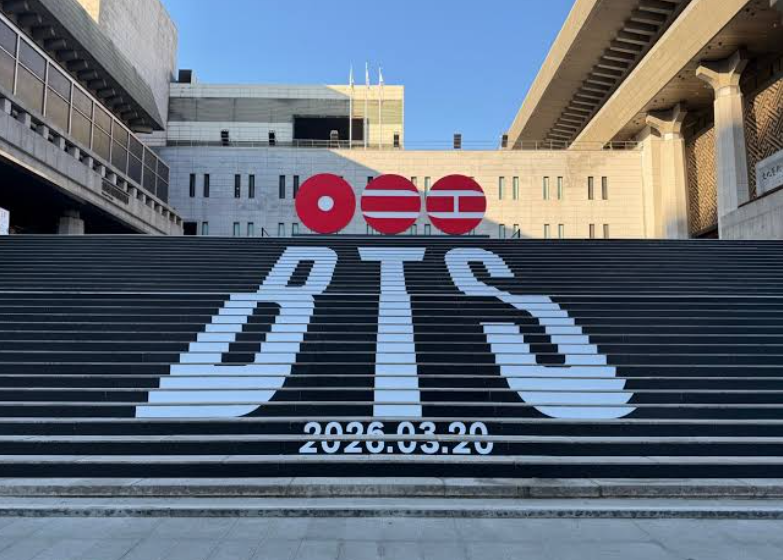
The investigation took on particular urgency during the ticketing sales for BTS' Gwanghwamun concert, a performance scheduled for March 2026 that generated exceptionally high public demand. Police detected suspicious activity on February 23 as ticket sales commenced and moved swiftly to monitor reservations in coordination with the ticketing platform operator. During this intervention, authorities identified that the suspect had already secured nine tickets to the BTS event using her automated programme. The timely detection prevented her from profiting further from this specific performance, representing a significant success in real-time enforcement against scalping operations.
Beyond the primary Seoul case, police simultaneously uncovered a parallel ticket-scalping operation in Ulsan involving a separate suspect in his 30s. This individual allegedly developed his own macro programme and used it to purchase over 1,700 K-pop concert tickets between November 2024 and October 2025. The scale of resale markups in the Ulsan case proved even more egregious than the Seoul operation, with police reporting that tickets were resold for three to thirteen times their original face value. This suspect generated approximately 420 million won in profits through the scheme before law enforcement intervention.
These prosecutions arrive at a particularly significant moment in South Korea's regulatory landscape, as the government has moved to strengthen enforcement mechanisms against illegal ticket resales. Beginning August 28, just days after the police announcement, revised provisions of the Public Performance Act and the National Sports Promotion Act took effect, introducing substantially more punitive measures against scalpers. The new regulations empower South Korean authorities to impose administrative fines reaching up to fifty times the value of illegally resold tickets, representing a dramatic escalation from previous penalty structures. This tenfold increase in maximum penalties signals the government's determination to disrupt the economics of ticket scalping by making violations significantly more costly than potential profits.
The timing of these enforcement actions and regulatory changes reflects mounting frustration among both consumers and the government regarding ticket-scalping practices that have plagued K-pop concerts. Legitimate fans attempting to attend performances at face-value prices face intense competition from automated systems and organized scalpers, creating widespread resentment and market distortions. The K-pop industry, while generating enormous cultural and economic benefits for South Korea, has become increasingly vulnerable to exploitation through technical sophistication that outpaces existing consumer protections.
For Malaysian and broader Southeast Asian readers, these developments carry particular relevance given the region's massive K-pop fanbase and the increasing frequency of K-pop concert tours throughout Southeast Asia. As K-pop concerts continue expanding across Malaysia, Singapore, Thailand, and other regional markets, scalping operations employing similar automated techniques have emerged as problems for regional ticketing platforms and consumers. The South Korean authorities' approach to enforcement and their regulatory innovations may serve as templates for how Southeast Asian governments and ticketing operators might strengthen protections for their own concert-going populations.
The cases also highlight the broader challenge of balancing technological innovation with consumer protection in the digital economy. Macro programmes and automated purchasing tools have legitimate applications, but their misuse in circumventing consumer-protection mechanisms reveals vulnerabilities in current systems. Ticketing platforms across Asia face pressure to develop more sophisticated detection and prevention systems capable of identifying and blocking automated purchases in real time, rather than relying solely on per-person purchase limits that determined scalpers can easily overcome.
Moving forward, the enhanced penalties under South Korea's revised legislation will test whether significantly increased enforcement costs can deter scalping operations or whether determined individuals will continue to calculate that potential profits justify the legal risks. The simultaneous prosecution of multiple scalpers suggests that enforcement attention is intensifying, potentially creating a deterrent effect. However, the sophistication demonstrated by these suspects in developing and deploying macro programmes indicates that scalpers will likely continue evolving their techniques to stay ahead of regulatory measures, suggesting that ticket-scalping will remain an ongoing challenge requiring continuous adaptation by authorities and platform operators alike.

