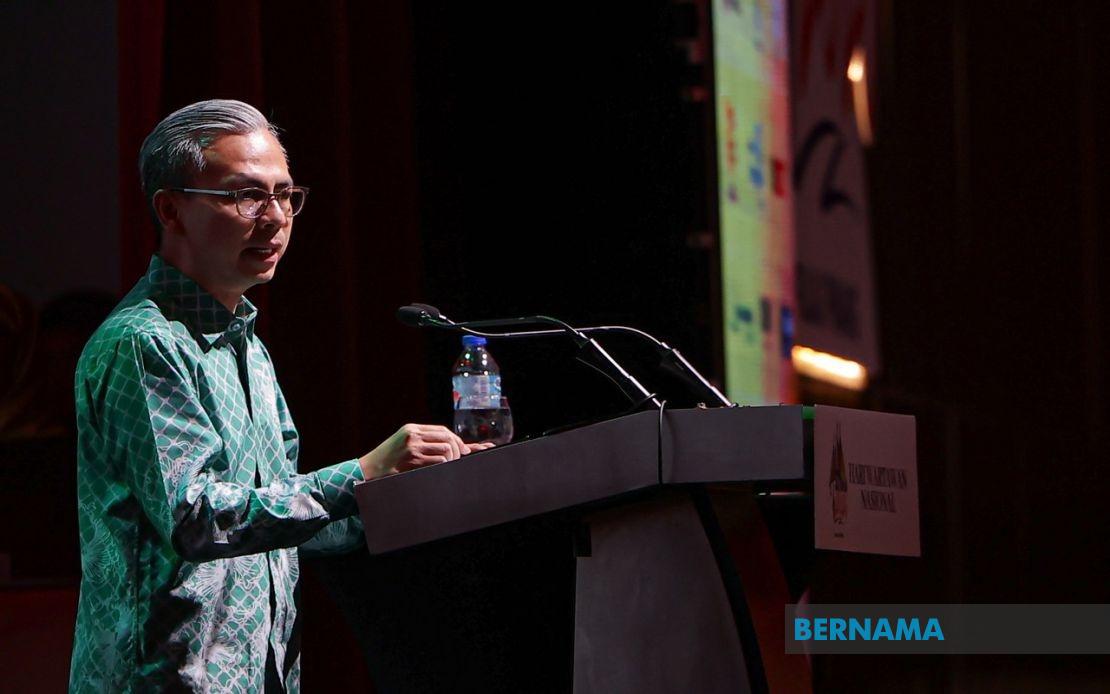
Telekom Malaysia has stepped forward as the new strategic partner of Tabung Kasih@HAWANA, pledging RM500,000 through a corporate social responsibility initiative to sustain welfare support for media practitioners across the country. The announcement was made by Communications Minister Datuk Fahmi Fadzil at the National Journalists' Day grand finale in Butterworth, an event attended by Prime Minister Datuk Seri Anwar Ibrahim and other senior officials including Penang Chief Minister Chow Kon Yeow.
The Tabung Kasih@HAWANA fund, launched in April 2023, has already distributed RM2.26 million in financial assistance to 773 media workers nationwide, reflecting the pressing needs within a sector facing significant economic headwinds. Fahmi expressed gratitude for TM's commitment, describing the contribution as a meaningful gesture that would expand the reach of welfare programmes to more journalists and media personnel in distress. The minister's remarks underscored growing recognition at the highest government levels that Malaysia's media industry requires coordinated support from both public and private sectors.
The timing of TM's partnership is particularly significant given the deteriorating financial landscape for media organisations in Malaysia and across the region. Advertising expenditure, traditionally a primary revenue stream for news outlets, has contracted sharply over recent years, declining from RM4.5 billion annually to approximately RM2 billion. This represents a staggering 55 percent reduction that has directly impacted hiring, salaries, and operational capacity at newsrooms nationwide. The squeeze on advertising budgets reflects broader shifts in consumer media consumption habits and the migration of advertising dollars to digital platforms, a challenge that traditional and digital media companies alike continue to navigate.
Fahmi used the platform to appeal directly to corporations and government-linked companies to increase their media buying from local outlets, framing such support as both a commercial transaction and a patriotic gesture. He urged both GLCs and private enterprises to explore multiple avenues of collaboration with Malaysian media organisations, including strategic partnerships, sponsorships, and industry development programmes. This represents a pragmatic acknowledgement that government subsidies and welfare funds alone cannot sustain the media sector; rather, a diverse ecosystem of financial support is required to maintain journalistic capacity and institutional stability.
The Communications Ministry is also prioritising capability development among media workers through backing for Project Sigma 2.0, an initiative led by Google Malaysia in cooperation with the Malaysian Media Council and Malaysian Press Institute. The programme focuses on equipping journalists and media professionals with advanced skills in technology and artificial intelligence, competencies increasingly essential for competitive reporting and content production in the digital age. By investing in human capital development alongside direct financial relief, the ministry is attempting to address both immediate hardship and longer-term sector resilience.
Beyond domestic measures, Fahmi highlighted Malaysia's commitment to strengthening media cooperation within the ASEAN region. Bernama, the national news agency, has signed a memorandum of understanding with TATOLI, Timor-Leste's national news agency, establishing a framework for expanded collaboration on journalism standards, credible reporting, and information sharing across Southeast Asia. This bilateral arrangement carries particular symbolic weight given Timor-Leste's recent accession as ASEAN's eleventh member state during the 47th ASEAN Summit held in Kuala Lumpur the previous year.
The Bernama-TATOLI partnership reflects a deliberate strategy to embed media cooperation within ASEAN's broader commitment to regional integration, inclusivity, and collective prosperity. For Malaysia, fostering deeper ties with neighbouring news agencies strengthens its position as a regional communications hub and demonstrates leadership in promoting journalistic standards across the bloc. The emphasis on information exchange and credibility enhancement resonates with regional concerns about misinformation and the need for trusted news sources operating under professional editorial standards.
The theme of this year's National Journalists' Day, "Media Integrity Strengthens Credibility," frames the broader policy discussion within which TM's contribution and regional partnerships sit. As societies across Southeast Asia grapple with challenges ranging from election misinformation to health information accuracy, the role of professionally resourced newsrooms staffed by trained, financially secure journalists becomes increasingly critical. Without adequate compensation and working conditions, newsrooms struggle to attract and retain talent, ultimately compromising editorial quality and investigative capacity.
Telekom Malaysia's partnership with Tabung Kasih@HAWANA also reflects a broader trend among Malaysian corporations toward more targeted social responsibility initiatives aligned with government priorities. Rather than diffuse philanthropic giving, companies are increasingly partnering with government agencies on programmes addressing specific policy objectives. For TM, the association with media welfare improvement enhances corporate reputation while supporting an industry critical to Malaysia's democratic and economic functioning.
The RM500,000 commitment, while substantial, represents a starting point rather than a comprehensive solution to the sector's structural challenges. Media organisations in Malaysia, like counterparts across Southeast Asia, face fundamental business model questions as digital disruption continues. Advertising decline, subscription resistance, and the dominance of global technology platforms in content distribution create persistent revenue pressures that charitable contributions, however generous, cannot fully resolve. Nevertheless, welfare assistance funds like Tabung Kasih@HAWANA provide crucial short-term relief for individual workers facing financial hardship while the industry undertakes the longer-term transformation necessary for sustainability.
Looking forward, the success of TM's partnership model may encourage other major Malaysian companies to engage similarly with media organisations, potentially creating a multiplier effect across the sector. If additional corporate partners commit comparable or larger contributions alongside increased advertising placements, the combined impact could measurably strengthen media institutions' financial position and worker security. Such a coalition-building approach, pursued simultaneously with capability development initiatives like Project Sigma 2.0 and regional cooperation frameworks, represents a multifaceted strategy to ensure Malaysia's media sector remains viable, professional, and capable of serving the public interest in an increasingly complex information environment.