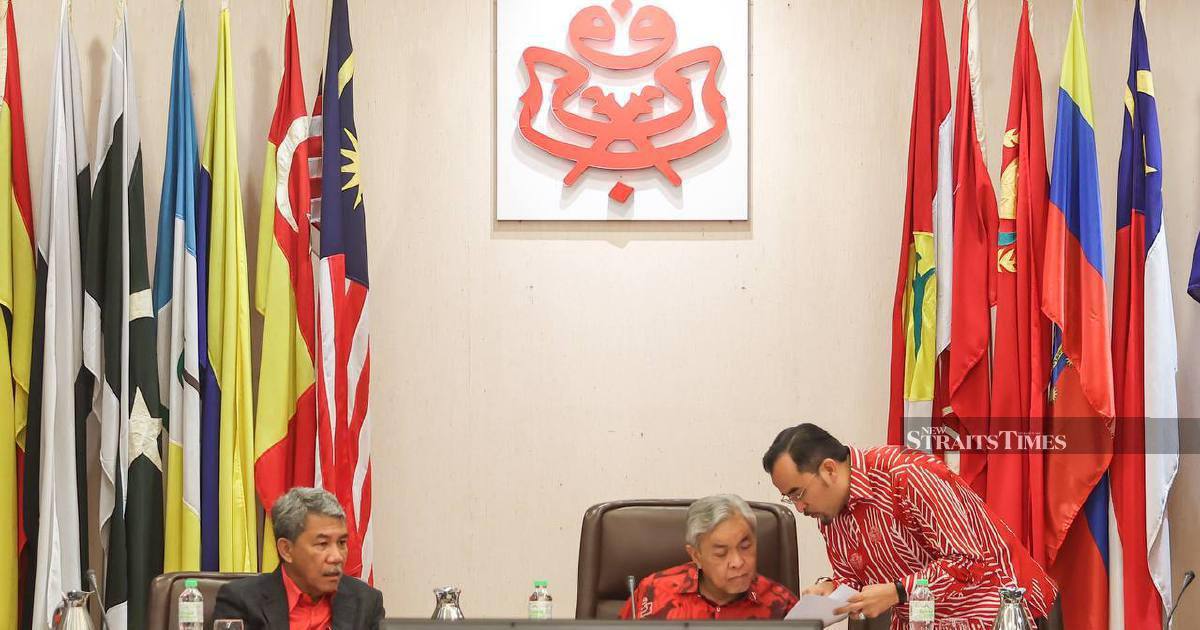
Umno secretary-general Datuk Dr Asyraf Wajdi Dusuki has stressed a fundamental principle of the Malaysian justice system: that individuals held in custody for investigation purposes must not face prejudgement or social condemnation before the courts deliver a verdict. His statement underscores a persistent tension in Malaysia's legal framework and public discourse regarding the treatment of suspects during the investigative phase.
The remark carries particular weight given Malaysia's ongoing debates about due process and media coverage of high-profile cases. When authorities detain individuals for questioning, whether in corruption cases, criminal matters, or other offences, public perception often crystallises quickly. Asyraf's intervention suggests concern that detainees are being socially tried before entering the formal judicial system, a phenomenon especially visible in an age of rapid information dissemination through news outlets and social media platforms.
The distinction between investigative detention and criminal conviction represents a cornerstone of common law jurisdictions including Malaysia. Detention is an investigative tool designed to allow law enforcement agencies time to gather evidence, interview witnesses, and build cases. It is not, legally speaking, a finding of culpability. Yet the practical reality in many cases involves intense public scrutiny, media speculation, and sometimes premature character assassination that undermines the presumption of innocence protected under Article 5 of the Malaysian Constitution.
Asyraf's intervention becomes more significant when considered within the context of Malaysia's recent governance history. The nation has witnessed numerous high-profile detentions for investigation, particularly those involving allegations of corruption, abuse of power, or financial crimes. These cases typically generate substantial media attention and public commentary that can shape perceptions before formal charges are filed or evidence is presented in court. The balance between public interest journalism and fair trial principles remains delicate and contested.
The principle of innocent until proven guilty serves multiple functions within the legal system. It protects individuals from arbitrary state action and ensures that the burden of proof rests with prosecutors rather than placing individuals in the position of proving their innocence. This principle also shields the integrity of the investigative process itself, allowing authorities to pursue leads without the complication of public verdicts affecting witness credibility or evidence evaluation. Without this protection, investigations become complicated by external pressures and mob sentiment.
Malaysia's common law heritage, inherited from British legal traditions and adapted through constitutional frameworks, explicitly guarantees this protection. The challenge lies in enforcement and public understanding. Many citizens may conflate arrest with guilt, particularly when media coverage emphasises alleged wrongdoing without equally emphasising the presumption of innocence. Law enforcement agencies themselves must be careful not to conduct investigations or make public statements in ways that prejudge outcomes.
Asyraf's statement also reflects internal party dynamics within Umno, Malaysia's largest political party, which has experienced considerable leadership transitions and internal scrutiny in recent years. Various party members have faced investigations and detention, creating lived understanding within the party about how investigative processes can affect reputation and standing. This practical experience informs the secretary-general's emphasis on procedural fairness and legal principle.
For ordinary Malaysians, the implications are substantial. Anyone detained for investigation now knows that prominent political figures are articulating support for their fundamental rights. This reduces the likelihood that detainees will be abandoned to prejudgement or informal punishment through reputational damage. It also signals to media organisations and public commentators that responsible journalism requires restraint in labelling suspects as guilty.
The enforcement of this principle requires cooperation across multiple sectors. Courts must consistently rule based on evidence rather than public sentiment. Media organisations must distinguish between reporting facts and speculating on guilt. Investigators must avoid making public statements that forecast conclusions. Political leaders, as Asyraf demonstrates, should consistently reinforce that legal process matters and that provisional detention does not reflect judicial findings.
Regional observers from other Southeast Asian nations often note that Malaysia's legal protections on paper remain stronger than implementation in practice. Countries throughout the region grapple with similar challenges regarding investigative detention, media impact on fair trial rights, and public understanding of presumption of innocence. Asyraf's statement contributes to a regional conversation about how rule of law is actually practised beyond constitutional theory.
Looking forward, this principle will face continued testing as Malaysia navigates complex cases involving public figures and matters affecting national interest. The judiciary, executive, media, and political leadership must collectively ensure that investigative processes serve justice rather than becoming vehicles for reputational destruction or political advantage. Asyraf's emphasis on this foundational legal protection represents an important reminder during periods when pressure to prejudge intensifies.

