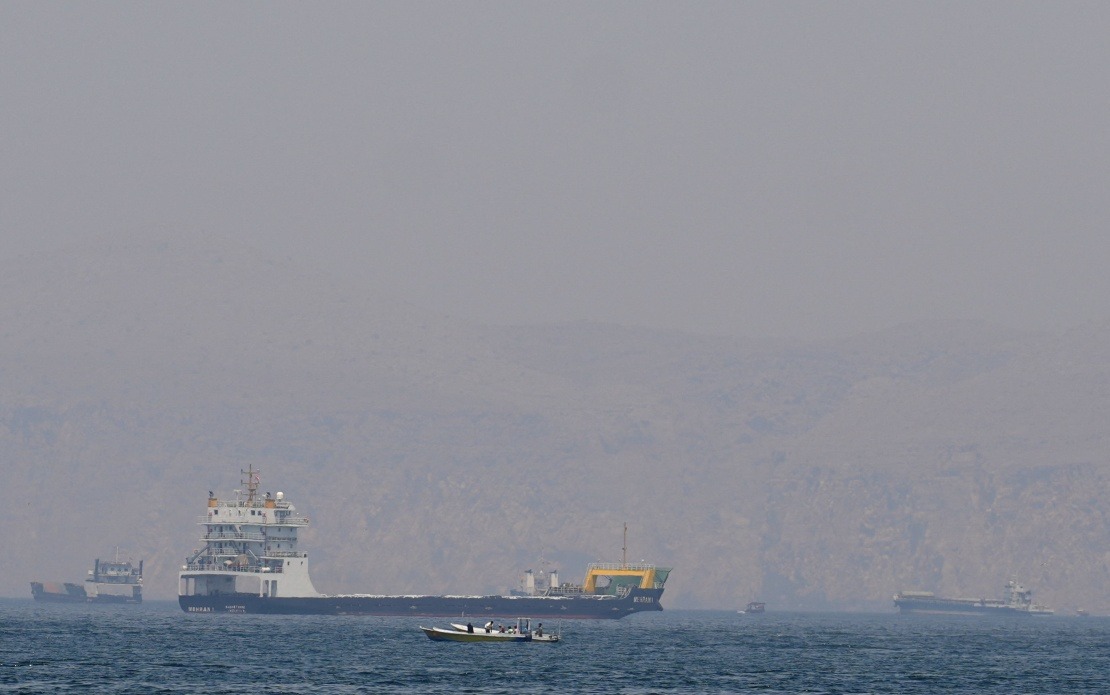
In a statement released on Saturday via his Truth Social platform, US President Donald Trump declared that maritime tolls will not be permitted in the Strait of Hormuz during a current 60-day ceasefire window, effectively freezing any toll collection activities across one of the world's most critical shipping corridors. The announcement comes amid escalating tensions in the region and represents a significant assertion of American authority over international waters that handle roughly one-third of global seaborne oil trade. For shipping companies and regional economies dependent on Middle Eastern energy, this temporary reprieve offers crucial stability in an otherwise volatile period.
Trump's ultimatum carries an implicit threat of future unilateral action. Should negotiations fail to produce a final settlement within the 60-day period, the American administration has signalled its willingness to establish its own fee structure on vessels transiting the waterway. According to Trump, such charges would be justified as compensation for what he termed "services rendered as the guardian angel" to West Asian nations, effectively positioning US military presence as a security service requiring payment. This framing represents a fundamental departure from decades of international maritime law, which has generally treated the Strait of Hormuz as a protected passage subject to international conventions rather than unilateral toll systems.
The specific language Trump used—referring to "reimbursement of costs" for past and future protection—suggests the administration intends to recoup expenses associated with maintaining US naval presence in the Persian Gulf. This approach aligns with broader Trump administration policies emphasizing financial reciprocity in international arrangements and challenging what it views as unfair burden-sharing among allies. For Malaysia and other Southeast Asian trading nations, such a development would directly impact shipping costs and energy prices, given the region's substantial reliance on oil and liquefied natural gas imports from the Middle East.
The announcement follows a provocative statement from Iran's Khatam al-Anbiya Central Headquarters threatening to close the Strait of Hormuz in response to alleged American violations of ceasefire commitments and Israeli breaches regarding Lebanon. This Iranian threat introduced significant uncertainty about the waterway's accessibility and represented an escalation in rhetoric from Tehran. The convergence of American unilateral fee threats and Iranian closure warnings underscores the precarious balance maintaining freedom of navigation through this essential chokepoint.
US Central Command (CENTCOM) has firmly rejected Iran's characterization of events, insisting that American forces maintain constant presence and vigilance throughout the region to enforce compliance with the ceasefire agreement. CENTCOM Spokesperson Captain Tim Hawkins explicitly stated that maritime traffic remains unimpeded and that Iran does not possess the capability to control the Strait of Hormuz, essentially challenging the credibility of Tehran's threats. This public contradiction between Iranian and American assessments demonstrates the continuing friction between the two powers over regional security arrangements and international waters access.
For Malaysia, sitting as a major Southeast Asian economy with significant maritime trade interests, the situation in the Strait of Hormuz carries direct implications. Malaysian companies importing energy resources or exporting manufactured goods to Middle Eastern markets could face either fee burdens under Trump's proposed system or disruptions if Iran follows through on closure threats. The Port Klang Authority and other Malaysian maritime operators closely monitor developments in the strait, as any disruption affects shipping insurance premiums, transit times, and overall supply chain costs.
The 60-day window provides a timeframe for diplomatic negotiations to produce a comprehensive arrangement addressing concerns from multiple parties—the United States, Iran, and Gulf Cooperation Council nations. However, Trump's language about potential American toll collection suggests Washington expects these negotiations to conclude with terms favorable to US interests. The underlying dynamic reveals an American strategy of creating urgency through deadline-driven diplomacy while maintaining the credible threat of unilateral action.
Historically, the Strait of Hormuz has remained outside any formal toll or fee system, with passage governed by international maritime law and occasional bilateral arrangements. Introduction of American fees would mark a significant precedent, potentially inspiring similar toll systems by other major naval powers or regional hegemons. This could fundamentally alter the cost structure of international maritime commerce and create complex questions about fee justification, collection mechanisms, and dispute resolution.
The confluence of these developments reflects broader regional instability stemming from Israeli-Palestinian conflict dynamics, Lebanese security issues, and Iranian-American strategic competition. While the 60-day ceasefire moratorium offers temporary relief, the underlying geopolitical tensions remain unresolved. Southeast Asian governments and businesses should prepare contingency plans addressing potential fee implementations or access disruptions beyond the 60-day period, including diversifying energy supply routes and exploring alternative shipping arrangements that avoid the Strait of Hormuz where feasible.