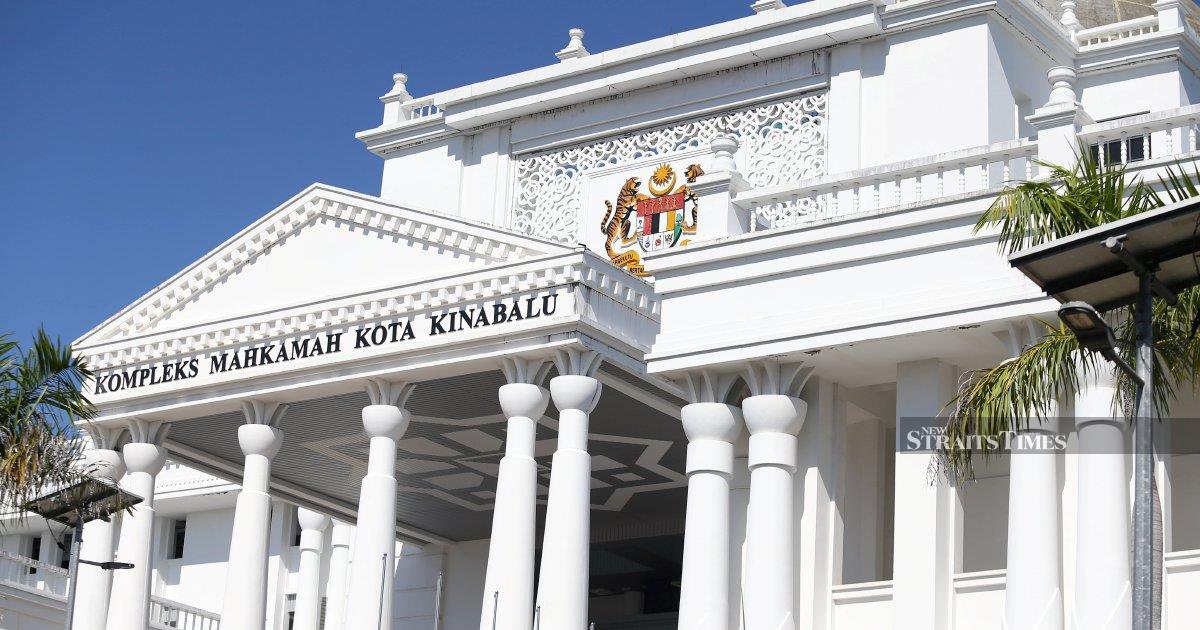
Two women arrested in a fraud investigation centred on purported traditional healing services have appeared before the Sessions Court in Kota Kinabalu, facing three separate counts of criminal conspiracy to defraud three women. The charges underscore persistent vulnerabilities in Malaysia's consumer protection framework, particularly regarding alternative medicine practitioners who operate with minimal regulatory oversight.
The case highlights a disturbing pattern across Southeast Asia, where traditional healing services remain largely unregulated despite their widespread popularity. Malaysia's diverse cultural heritage has fostered deep-rooted belief in alternative therapies, from traditional Malay treatment methods to indigenous Sabahan practices. However, this cultural landscape has inadvertently created space for unscrupulous operators to exploit vulnerable individuals seeking remedies outside conventional medical channels. The victims in this instance—all women—appear to have been approached with promises of healing outcomes that ultimately proved fraudulent.
Criminal conspiracy charges, as distinct from simple fraud allegations, require prosecutors to establish that both accused parties agreed to commit the deception and took deliberate steps toward that goal. This legal distinction carries significant implications for sentencing, as conspiracy convictions can result in more severe penalties than standalone cheating charges. The prosecution's decision to pursue three separate conspiracy counts suggests a calculated, systematic approach to defrauding their victims rather than isolated opportunistic incidents.
The traditional healing sector in Sabah and across Malaysian Borneo occupies a complex social space. Many practitioners operate legitimately, drawing on generations of accumulated knowledge about local medicinal plants and therapeutic techniques. Simultaneously, the absence of mandatory licensing, training certification, or standardised outcome reporting creates openings for fraudulent operators to present themselves with unverifiable credentials. When combined with deeply held cultural beliefs about healing power and spirituality, this regulatory vacuum becomes particularly dangerous.
Victims of healing scams typically experience financial loss compounded by profound psychological harm. Having sought help in good faith—often during periods of illness or emotional distress—they face the additional trauma of betrayal by practitioners positioned as trusted guides. This emotional dimension distinguishes healing fraud from other consumer scams and frequently discourages victims from coming forward, allowing perpetrators to continue unchecked. The decision by these three women to report their experiences to authorities represents an important step toward addressing a largely hidden problem.
The Sessions Court proceeding in Kota Kinabalu will proceed against a backdrop of growing awareness about consumer fraud throughout Malaysia. The past decade has seen authorities increasingly prosecute cases involving false medical claims, unproven treatments, and fabricated spiritual healing sessions. However, prosecutions remain relatively rare compared to the scale of the problem, suggesting many victims never file formal complaints and many operators never face legal consequences.
For consumers in Sabah and beyond, this case serves as a timely reminder about due diligence before engaging any alternative health provider. Legitimate practitioners typically operate transparently, provide verifiable references, make realistic claims about outcomes, and maintain clear records of services and payments. Conversely, red flags include pressure to pay upfront for unspecified treatments, reluctance to provide written documentation, claims of miraculous cures, or requests to maintain secrecy about the treatment.
The investigation leading to these arrests likely involved interviews with multiple victims, examination of financial records, and possibly undercover operations or documented observations of the accused operating their scheme. Such investigations demand substantial police resources and sophisticated financial forensics, making them uncommon. The Sabah police's commitment to pursuing this matter reflects increasing attention to consumer crimes that disproportionately affect vulnerable populations.
Government health agencies in Malaysia have periodically issued warnings about unqualified healing practitioners, yet public awareness remains uneven across different demographics and communities. Older individuals, those with chronic illnesses, and people in rural areas—groups potentially overrepresented among victims—may have less access to information about consumer protection or less familiarity with modern fraud detection methods. Educational campaigns targeting these populations could significantly reduce susceptibility to such scams.
The legal process unfolding in the Sessions Court will determine whether these particular accused individuals perpetrated the alleged fraud. Regardless of the verdict, however, the case underscores a systemic challenge requiring comprehensive responses. Potential solutions include establishing certification programs for traditional healers, creating transparent complaint mechanisms, implementing consumer education initiatives, and enhancing police capacity to investigate these crimes.
For Malaysian consumers engaging with alternative health practitioners, understanding the distinction between legitimate traditional medicine and fraudulent schemes remains essential. While many practitioners operate ethically and effectively within their chosen field, the regulatory environment allows sufficient ambiguity for deception to flourish. These charges, and the broader investigation that preceded them, represent important steps toward accountability.

