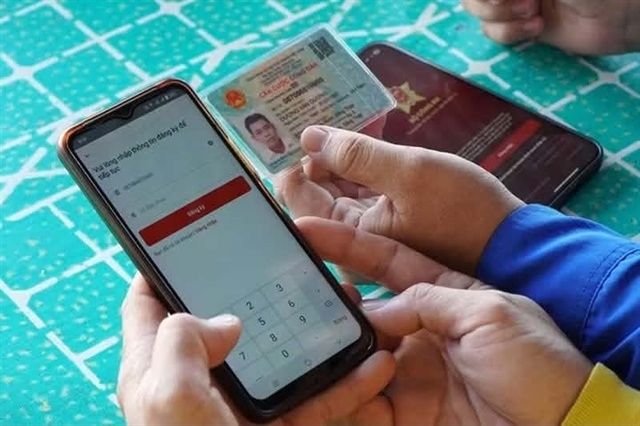
Vietnam has taken a significant step toward digital inclusion by opening its electronic identification system to foreign nationals, marking a notable shift in the country's approach to identity management and digital integration. Under a freshly issued Government decree reported by the Vietnam News Agency, any foreign citizen with lawful entry or residency status in Vietnam will now be able to apply for electronic identification accounts at various authorization levels. This expansion represents part of Hanoi's broader push to modernize its governance infrastructure and simplify administrative procedures for both citizens and non-citizens operating within its borders.
The decree introduces sweeping reforms designed to streamline how individuals and organizations access digital services. A key provision eliminates redundant paperwork by stipulating that citizens and entities no longer need to submit supporting documents when relevant information has already been consolidated in existing government databases. This principle of data integration reflects Vietnam's commitment to reducing bureaucratic friction and improving the efficiency of its digital governance ecosystem, a concern shared by many Southeast Asian nations grappling with administrative modernization.
Vietnamese citizens aged six and above who possess a valid citizen identity card or standard identity document may now request either a Level 1 or Level 2 electronic identification account. For younger children under six who have already been issued an identity card, eligibility is restricted to Level 1 accounts. This tiered approach recognizes different security and functionality requirements based on age and the nature of services accessed, balancing accessibility with appropriate safeguards for vulnerable populations.
Beyond individual citizens, the decree extends electronic identification privileges to agencies and organizations that have been formally established or registered to conduct business in Vietnam. These institutional entities can apply for electronic identification accounts across all available authorization levels, enabling them to participate fully in the digital governance framework and access services previously available only to individuals or restricted entities.
The reform significantly broadens the categories of official documents eligible for integration within Vietnam's national identification application. The government has compiled an extensive list encompassing 66 distinct document types issued to individuals. This roster includes fundamental records such as birth certificates and residence verification documents, as well as travel and mobility-related papers including ordinary passports and visa stamps. The integration also covers economic and property-related documentation, with vehicle registration certificates, driving licenses, and investment permits now accessible through the centralized platform.
For organizations and government agencies, the scope expands dramatically to incorporate 140 different document categories. These range from foundational administrative records, including certificates of seal specimen registration and identification name certificates, to commercial authorization documents such as business licenses and export-import permits. This comprehensive approach aims to create a unified digital ecosystem where businesses can efficiently verify credentials and maintain compliance with regulatory requirements without navigating fragmented government databases.
The strategic timing of implementation—September 28, 2026—provides Vietnamese authorities and technology providers with a substantial lead time to build necessary infrastructure, train staff, and conduct system testing before the decree's activation. This phased rollout approach, common among Southeast Asian digital transformation initiatives, reduces the risk of service disruptions and allows for public education campaigns to prepare users for the transition.
For Malaysia and other regional economies, Vietnam's expansion of electronic identification systems offers both competitive and collaborative implications. As Vietnam digitizes its identity and administrative processes, foreign investors, business travelers, and expatriate workers will find streamlined access to services, potentially making the country more attractive as a regional business hub. The move also establishes a model for how developing economies can balance inclusivity—extending services to foreign residents—with security and data protection requirements.
The decree's elimination of redundant documentation requirements signals a maturation in Vietnam's thinking about digital government. Rather than maintaining separate systems and requiring citizens to repeatedly submit identical information across agencies, the consolidated approach recognizes that governments already possess most necessary data. This efficiency gain has practical benefits for individuals seeking services, reduces opportunities for bureaucratic delays, and improves government budget allocation by minimizing administrative overhead.
The scope of integrated documents reflects Vietnam's attempt to create genuine digital governance rather than merely digitizing existing paper processes. By including investment licenses, driving permits, visa documentation, and commercial certificates, the system enables citizens and businesses to access multiple services through a single authentication mechanism. This interconnectedness reduces friction points in both personal and commercial transactions, addressing challenges that have historically impeded digital adoption in Southeast Asia.
For expatriate communities and foreign businesses in Vietnam, the expansion to electronic identification accounts removes a significant barrier to digital service access. Previously, foreign residents often faced complications when attempting to register for digital platforms designed primarily with Vietnamese citizens in mind. The decree's explicit inclusion of foreign nationals signals that Hanoi recognizes the economic and social value of facilitating smoother administrative experiences for its international population.
The phased implementation schedule also provides opportunities for regional governments monitoring Vietnam's progress to learn from early adoption challenges and successes. As Malaysia, Thailand, and other Southeast Asian nations advance their own digital identity ambitions, Vietnam's experience—particularly regarding cross-agency data integration and cybersecurity at scale—will likely inform regional best practices and international cooperation frameworks.

