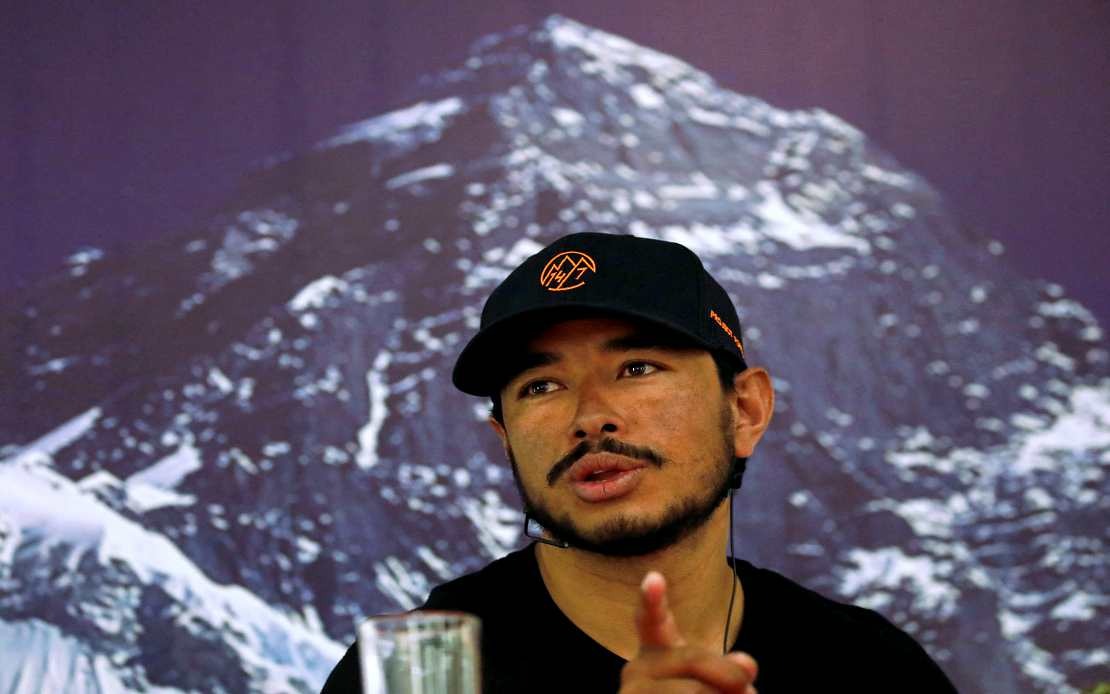
The death of Nirmal Purja, a celebrated mountaineer who redefined the limits of high-altitude climbing, marks a sobering reminder of the dangers inherent in extreme mountaineering. The 43-year-old was leading an expedition of ten climbers on Broad Peak, the world's twelfth-highest mountain, when an avalanche struck around midday on Thursday in Pakistan's northern ranges. Following intensive search operations, his company Elite Exped confirmed on Saturday that Purja had been killed alongside two other members of his team, veteran guides Pur Bahadur Gurung and Nima Sherpa. The tragedy underscores how even the most experienced climbers remain vulnerable to the mountain's unforgiving forces.
Purja's loss resonates deeply across the global climbing community, extending far beyond the mountaineering world. His former colleagues in the British military and fellow adventurers have shared tributes highlighting not merely his technical prowess but his character and humanitarian instincts. Bear Grylls, the renowned adventurer and television personality, described Purja as a remarkable and unique individual whose unstoppable spirit will not be forgotten by climbers worldwide. These expressions of grief reflect the profound respect Purja had cultivated over his career through both his achievements and his commitment to pushing ethical boundaries in the sport.
What elevated Purja to global prominence was his audacious 2019 expedition to summit all fourteen mountains exceeding 8,000 metres in altitude—peaks collectively known as the eight-thousanders and situated exclusively in Asia's highest mountain ranges. Beginning with Annapurna on April 23, 2019, Purja completed this unprecedented feat in just 189 days, including summits of Everest in May and K2 in July. This extraordinary accomplishment obliterated the previous record by more than seven years, fundamentally transforming expectations about what human endurance and preparation could achieve at extreme altitude. The expedition became the subject of a Netflix documentary, bringing Purja's remarkable journey to audiences far beyond mountaineering circles and establishing him as a global ambassador for the sport.
Before his mountaineering career catapulted him to international recognition, Purja served sixteen years in the British military, with a decade dedicated to the special forces. His background as a cold weather warfare specialist and his distinction as the first Gurkha to climb Everest while serving in the British Army highlighted his exceptional capabilities in extreme environments. In 2018, Queen Elizabeth II awarded him an MBE in recognition of his extraordinary achievements in high-altitude mountaineering, honouring not only his record-breaking climbs but his contributions to expanding the boundaries of human achievement in one of Earth's most inhospitable regions.
Beyond his climbing records, Purja earned recognition for his ethical approach to mountaineering at a time when the sport has faced criticism for prioritizing summits over human life. In 2016, he famously deviated from mountaineering conventions when he discovered a stranded climber in the "death zone" on Everest—the region above 8,000 metres where human bodies begin to shut down due to insufficient oxygen. Rather than continuing his ascent, Purja undertook the dangerous solo rescue operation, bringing the climber to safety despite the considerable personal risk and the customary practice of leaving climbers to their fate. This decision exemplified his belief that mountaineering should honour human life above trophy achievements, a principle that distinguished him throughout his career.
The avalanche that claimed Purja's life on Broad Peak serves as a stark illustration of why mountaineers refer to peaks above 8,000 metres as "death zones." These regions demand not only technical climbing expertise and physical conditioning but also luck and favourable weather conditions. The unpredictability of avalanches—sudden cascades of snow and ice that accelerate down slopes at lethal speeds—presents dangers that even the most experienced teams cannot entirely mitigate. Broad Peak itself, though technically less demanding than Everest, ranks among mountaineering's more hazardous summits, claiming lives regularly despite the relatively smaller number of climbers who attempt it compared to Everest.
For Malaysia and Southeast Asia, Purja's death resonates particularly among the region's climbing communities and those aspiring to high-altitude mountaineering. The Gurkha heritage that formed a crucial part of Purja's identity connects him to the broader military and cultural traditions across South Asia and Southeast Asia, where many soldiers and mountaineers have contributed to the sport. His achievements demonstrated that adventurers from this region could not only participate in global mountaineering but could set records that defined the sport internationally. His humanitarian approach to climbing also influenced how contemporary mountaineers, including those from the region, approach ethical decision-making on the world's highest peaks.
The confirmation of Purja's death comes with the additional tragedy that multiple expedition members perished alongside him. The loss of Pur Bahadur Gurung and Nima Sherpa—experienced guides whose expertise supported countless climbers—represents a significant loss to the mountaineering community. Sherpa communities, predominantly from Nepal but with cultural connections throughout the Himalayan region including parts of Bhutan and Tibet, form the backbone of commercial mountaineering operations. These guides and porters face disproportionate risks, yet their contributions often receive less recognition than those of the expedition leaders. The deaths of Gurung and Sherpa underscore the human costs of mountaineering, extending beyond elite climbers to the professional guides whose livelihoods depend on the mountains.
Elite Exped, the company Purja co-founded, issued a statement emphasizing the need for respect and privacy for the families affected by the tragedy. The company acknowledged not only Purja's loss but honoured his climbing partners, recognizing their roles in the expedition and their contributions to the mountaineering world. This measured response reflects growing awareness within the mountaineering industry that tragedies require thoughtful acknowledgment of all victims and consideration for grieving families, rather than sensationalized coverage that treats climbing deaths as mere adventure narratives.
The broader implications of this tragedy extend to ongoing debates within the mountaineering community about safety standards, climate change's effects on mountain conditions, and the commercialization of extreme climbing. Purja's record-breaking expeditions, while individually remarkable, occurred within a context of increasing numbers of commercial climbing operations on the world's highest peaks. Climate change has destabilized mountain conditions, increasing avalanche risk and changing weather patterns in ways that challenge even the most experienced teams. Future expeditions will need to balance the pursuit of human achievement with realistic assessments of evolving environmental hazards and the sustainability of current mountaineering practices.
Nirmal Purja's legacy extends far beyond his record of fourteen summits or his MBE. He represented a new generation of mountaineers who viewed extreme climbing not as an end in itself but as a platform for demonstrating human potential, advocating for ethical practices, and ultimately serving others. His 2016 rescue on Everest exemplified his belief that the mountains teach lessons about character and responsibility that transcend the individual achievement of reaching a summit. As the mountaineering world mourns his passing, discussions will inevitably centre on how his values—courage, compassion, and commitment to pushing human boundaries—can be honoured and integrated into the future of the sport he helped define.

