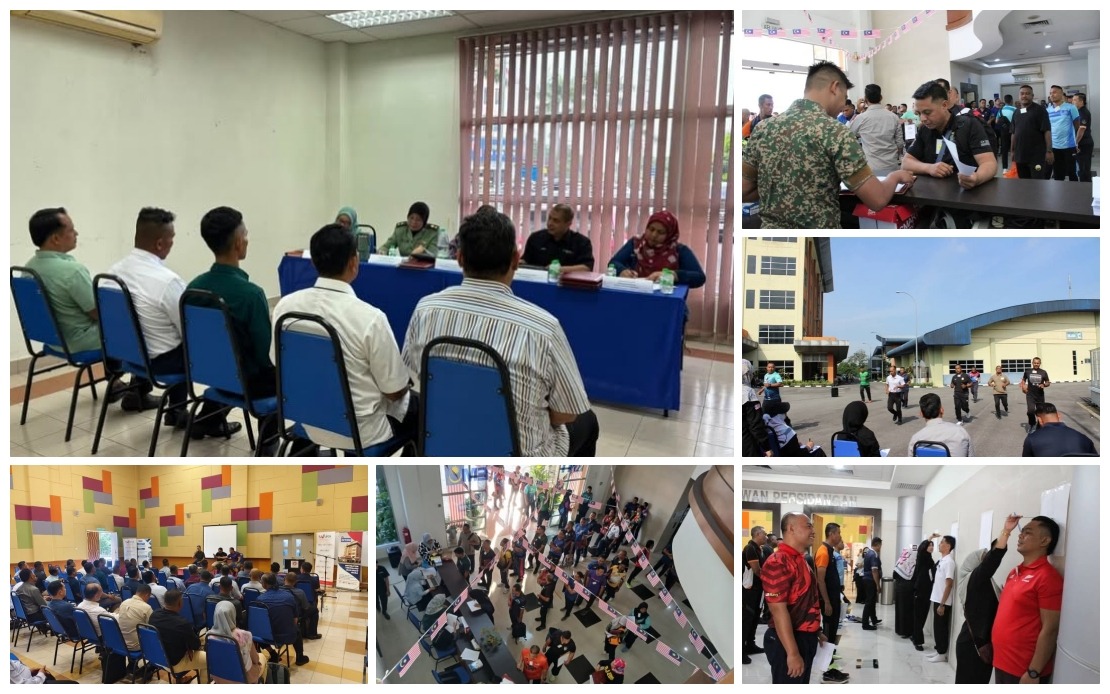
MARA has progressed with its recruitment drive for Full-Time External Wardens at MARA Junior Science Colleges (MRSM), having conducted physical assessment sessions for 147 candidates who previously served in the military. The interviews took place on consecutive days last week at the MARA Food Technology Incubator facility in Kepong, marking a significant step in the organisation's effort to strengthen pastoral care and discipline within its residential college system.
According to MARA Chairman Datuk Dr Asyraf Wajdi Dusuki, the candidates who appeared for the physical interviews had successfully navigated two earlier rounds of online screening, demonstrating their initial suitability for the demanding role. This multi-stage selection process reflects MARA's commitment to identifying individuals with the requisite character and competence to oversee student welfare in what remains one of Malaysia's most prestigious pre-university education systems.
The physical assessment phase encompassed three distinct evaluation components designed to comprehensively gauge each applicant's readiness for the position. Candidates underwent Body Mass Index screening to ensure they met fitness standards appropriate for a role requiring physical presence and responsibility. The Bleep Test—a progressive cardiovascular fitness assessment—provided objective measurement of their aerobic capacity and stamina. Complementing these physiological evaluations, face-to-face interviews allowed selectors to assess interpersonal skills, understanding of MARA's educational philosophy, and suitability for mentoring adolescents in a residential setting.
The timing of these appointments carries particular significance, as the successful candidates are scheduled to commence their duties from July 1, coinciding with the new academic year at MRSM institutions. This synchronisation ensures continuity in pastoral care and allows new wardens to establish themselves before students return to campus, reducing potential disruption to the student experience during the critical transition period.
Datuk Dr Asyraf Wajdi emphasised that the warden role transcends conventional discipline administration. Drawing on military backgrounds, these individuals are expected to embody MARA's educational philosophy and serve as influential role models within student communities. The position demands individuals who can function as mentors and guides, shaping character development alongside academic pursuits. This conceptualisation of wardens as significant authority figures in students' formative years underscores MARA's holistic approach to education, wherein pastoral leadership extends far beyond rule enforcement.
The recruitment initiative responds to identifiable challenges within residential college environments across Malaysia. Bullying, disciplinary infractions, and broader social misconduct have periodically surfaced as concerns at various MRSM campuses. By strategically appointing wardens with military discipline background and professional maturity, MARA seeks to establish a culture of accountability, respect, and safety that permeates residential spaces. The organisation's leadership recognises that the quality of warden appointments directly influences the psychological safety and developmental environment for hundreds of students across multiple campuses.
The gender dimension of the recruitment process merits attention within Malaysia's evolving educational landscape. Concurrent with the 147 male candidates drawn from former military personnel, MARA is conducting separate physical interview sessions for 162 female former military warden candidates scheduled for the following week. This parallel recruitment stream suggests MARA's recognition that gender diversity among wardens reflects demographic reality among the student body and that female wardens may bring distinct pedagogical and pastoral advantages in supporting female students' development and welfare.
The emphasis on former military personnel for these positions reflects deliberate institutional strategy. Individuals with military service backgrounds bring discipline, structured thinking, hierarchical understanding, and experience managing groups under defined protocols. These competencies translate readily to residential college management, where establishing order, fairness, and consistent application of rules constitutes essential foundations. Additionally, military service experience demonstrates commitment to institutional duty and service orientation, qualities vital for individuals responsible for students' wellbeing during formative years.
Malaysia's residential college system, encompassing MRSM and other similar institutions, plays an outsized role in developing future leaders and professionals. MRSM colleges specifically target academically gifted students from all socioeconomic backgrounds, serving as crucial vehicles for meritocratic advancement and social mobility. The quality of pastoral care and disciplinary leadership these students receive during ages 15 to 18 substantially influences their character formation, academic trajectory, and psychological wellbeing. By investing in rigorous warden selection processes, MARA signals commitment to protecting this educational ecosystem and the long-term outcomes for its students.
The broader context of this recruitment extends to contemporary concerns regarding student mental health and safety in Malaysian educational institutions. News reports periodically surface regarding bullying incidents, self-harm, and disciplinary crises within residential schools. By appointing mature, professionally-vetted wardens from military backgrounds, MARA positions itself proactively to address such concerns. These appointments represent institutional recognition that pastoral care quality directly correlates with student safety, academic performance, and post-secondary resilience.
For prospective wardens selected through this rigorous process, the role offers meaningful opportunity to shape institutional culture and individual student trajectories. The position demands individuals capable of balancing firmness with empathy, upholding standards while remaining approachable to troubled students, and maintaining professional boundaries whilst serving as mentors. Success in this role requires emotional intelligence alongside the discipline background military service provides, qualities that the three-component assessment process attempts to evaluate comprehensively.

%22%2F%3E%3C%2Fpattern%3E%3C%2Fdefs%3E%3Crect%20width%3D%22100%25%22%20height%3D%22100%25%22%20fill%3D%22url(%23ph2hy9vg)%22%2F%3E%3Crect%20width%3D%22100%25%22%20height%3D%22100%25%22%20fill%3D%22url(%23ph2hy9vp)%22%2F%3E%3Ctext%20x%3D%2250%25%22%20y%3D%2250%25%22%20text-anchor%3D%22middle%22%20dominant-baseline%3D%22central%22%20fill%3D%22rgba(255%2C255%2C255%2C0.95)%22%20font-family%3D%22Georgia%2C%20'Times%20New%20Roman'%2C%20serif%22%20font-weight%3D%22700%22%20font-size%3D%22272%22%20letter-spacing%3D%22-0.02em%22%3EAnwar%3C%2Ftext%3E%3C%2Fsvg%3E)