%22%2F%3E%3C%2Fpattern%3E%3C%2Fdefs%3E%3Crect%20width%3D%22100%25%22%20height%3D%22100%25%22%20fill%3D%22url(%23ph2hy9vg)%22%2F%3E%3Crect%20width%3D%22100%25%22%20height%3D%22100%25%22%20fill%3D%22url(%23ph2hy9vp)%22%2F%3E%3Ctext%20x%3D%2250%25%22%20y%3D%2250%25%22%20text-anchor%3D%22middle%22%20dominant-baseline%3D%22central%22%20fill%3D%22rgba(255%2C255%2C255%2C0.95)%22%20font-family%3D%22Georgia%2C%20'Times%20New%20Roman'%2C%20serif%22%20font-weight%3D%22700%22%20font-size%3D%22272%22%20letter-spacing%3D%22-0.02em%22%3EAnwar%3C%2Ftext%3E%3C%2Fsvg%3E)
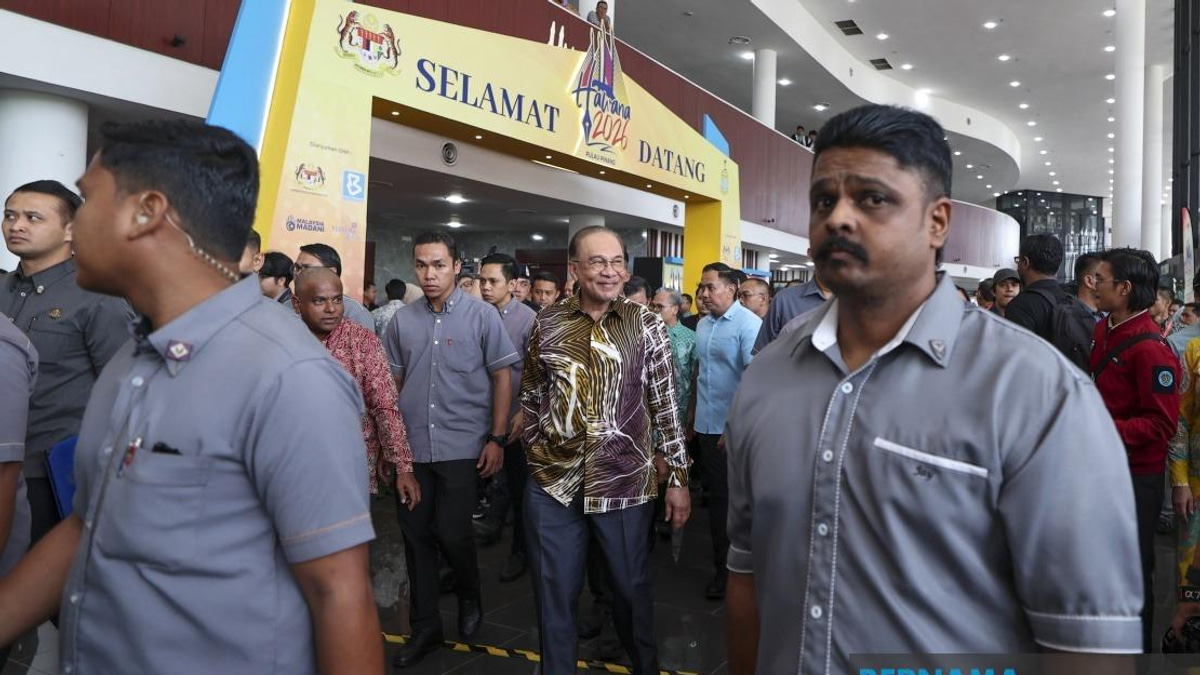
Prime Minister Datuk Seri Anwar Ibrahim is set to present the prestigious HAWANA journalism awards alongside special recognitions to members of the media fraternity during a formal ceremony at the PICCA Convention Centre in Butterworth. The event underscores the government's commitment to acknowledging the crucial role that journalism plays in democracy and public discourse, particularly as Malaysia navigates an increasingly complex information landscape where reliable reporting remains essential to informed citizenship.
The HAWANA awards represent one of Malaysia's foremost journalism recognition programmes, celebrating excellence across multiple categories and honouring journalists whose work has demonstrated outstanding editorial standards, investigative rigour, or significant public interest contributions. By selecting the PICCA Convention Centre venue in Butterworth, the government has deliberately chosen a location in Penang that reflects the event's inclusive national scope and signals engagement with the broader Malaysian media community beyond the capital region.
The presentation of special awards alongside the main HAWANA prizes suggests that the government intends to highlight particular achievements or individuals whose contributions transcend conventional award categories. Such recognition carries symbolic weight beyond the accolades themselves, functioning as a public statement about which journalistic values and practices the administration wishes to encourage and celebrate. This distinction between standard awards and special honours frequently draws attention to emerging talent, particularly courageous reporting on sensitive issues, or collaborative efforts that have benefited public understanding of complex matters.
Anwar's personal participation in the ceremony carries specific messaging implications. As Prime Minister, his presence elevates the occasion's stature and signals his administration's regard for media professionalism and journalistic independence. In the Malaysian context, where debates about press freedom and government-media relations remain perpetually relevant, such direct engagement by the nation's top elected official offers an opportunity for the administration to reaffirm its support for a functional media ecosystem that balances accountability with responsibility.
The timing and location of the awards ceremony merit consideration. Held in Butterworth rather than Kuala Lumpur, the event demonstrates an intentional effort to decentralise recognition programmes and acknowledge that quality journalism flourishes across Malaysia's diverse regional landscape. Penang's established media industry and strong tradition of quality reporting make it an appropriate venue for honouring journalistic excellence, while the choice also reflects broader patterns of the current government distributing significant national events beyond the federal capital.
For Malaysian journalists attending the ceremony, the HAWANA awards provide tangible recognition within a profession that frequently operates under resource constraints and competing pressures. The awards serve multiple functions simultaneously: validating editorial decisions made under challenging circumstances, encouraging continued adherence to professional standards, and providing career milestones that journalists can cite when seeking advancement or advocating for their professional positions. In an era when journalism faces economic headwinds from digital disruption, such formal recognition remains psychologically and professionally significant for practitioners navigating uncertain career trajectories.
The special awards component suggests that the government has identified particular achievements worthy of additional emphasis beyond the standard categories. These might recognise significant investigations that served the public interest, reporting that bridged community divides, coverage of complex policy areas that facilitated public understanding, or individual journalists whose long careers have shaped Malaysia's media landscape. By distinguishing certain work for special honour, the administration offers a subtle but clear statement about which journalistic approaches it values most highly.
The ceremony's broader context reflects Malaysia's ongoing evolution regarding press freedom and media-government relations. Unlike some regional neighbours, Malaysia maintains a relatively pluralistic media ecosystem with competing outlets representing different editorial perspectives. Yet the country simultaneously faces legitimate questions about media ownership concentration, economic pressures on newsrooms, and occasional tensions between journalistic inquiries and government interests. Events like the HAWANA ceremony provide opportunities for symbolic reaffirmation of press freedom principles even as substantive policy questions about media regulation and ownership remain contested.
For Malaysian newsrooms, awards ceremonies function as important morale-building exercises and industry milestones. They create opportunities for cross-sector networking, allow editors to celebrate team achievements publicly, and provide platforms for discussing professional standards and ethical challenges facing contemporary journalism. The presence of the Prime Minister elevates these functions considerably, transforming what might otherwise be an industry event into a significant national occasion with policy implications and symbolic meaning extending beyond the awards themselves.
The HAWANA awards also serve comparative functions within Southeast Asia's media landscape. Malaysia's recognition of journalistic excellence through such formal ceremonies positions the country within a regional tradition of acknowledging press professionalism, even as individual countries struggle with distinct challenges regarding editorial independence and commercial viability. For journalists working across borders and for international observers monitoring Malaysian media development, such events offer indicators of how the government perceives and values its relationship with the fourth estate.
Looking forward, the awards ceremony presents an opportunity for dialogue between government and media about shared interests in maintaining information quality and public trust. While journalism and government inevitably maintain institutional tension, they share fundamental interests in combating misinformation, maintaining audience confidence in reported facts, and ensuring that democracy functions through informed public participation. Recognition programmes that honour journalistic excellence reinforce these shared interests while acknowledging the distinct roles each sector plays in Malaysia's democratic system.