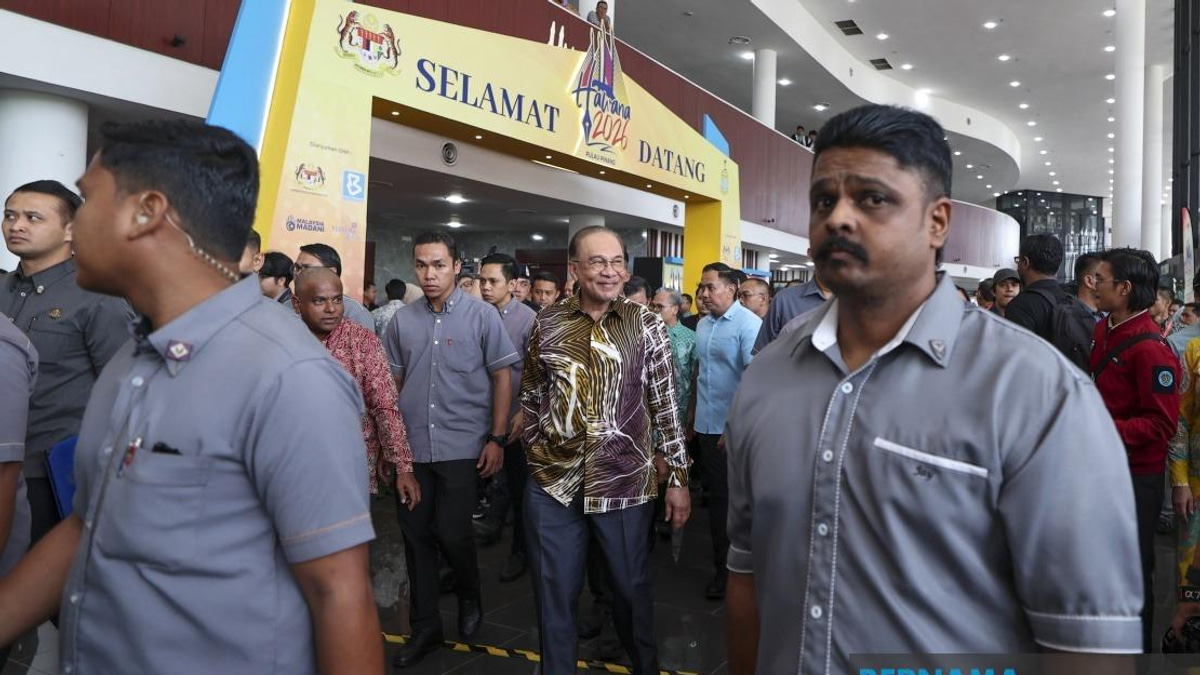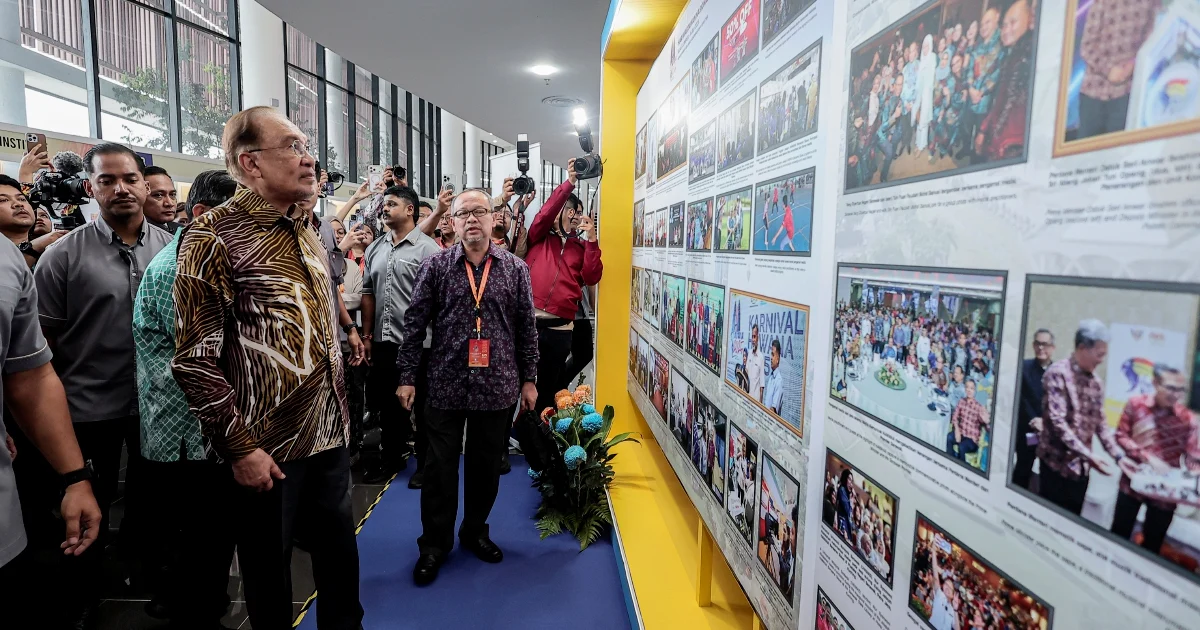
Prime Minister Datuk Seri Anwar Ibrahim has announced a RM1 million government allocation to Tabung Kasih@Hawana 2026, underlining the administration's commitment to strengthening journalist welfare provisions as the country navigates evolving media landscapes. The fund represents a tangible investment in a profession often operating under financial pressures and competing with digital disruption across Southeast Asia's newsrooms.
The initiative was unveiled at an event in Permatang Pauh, the Prime Minister's constituency in Penang, where he also signalled the government's broader intention to back ongoing programmes designed to reshape Malaysia's media ecosystem. The announcement comes at a time when newsrooms across the region are grappling with revenue challenges, reduced advertising spend, and the rise of artificial intelligence applications in content creation. By establishing dedicated welfare mechanisms, the government appears to be addressing concerns about job security and income stability within the journalism profession.
Tabung Kasih, which translates to a care or compassion fund, is positioned as a safety net for media practitioners who face personal hardship or professional displacement. Such schemes are increasingly common across Asia-Pacific countries seeking to preserve independent journalism while managing the economic realities of the sector. Malaysia, as a country with significant media infrastructure and a professional journalism class, faces particular pressure to ensure the sustainability of quality news gathering and reporting.
The RM1 million commitment signals governmental recognition that journalists play a crucial role in democratic discourse and information dissemination. Whether viewed as direct support or indirect subsidy, welfare funds for media professionals represent policy choices that acknowledge journalism's public interest dimensions. In Malaysia's context, where media freedom and press independence remain subject to ongoing debate, such funding initiatives carry symbolic weight alongside practical benefit.
The timing of the Hawana 2026 launch suggests preparation for a significant media industry event or gathering, likely bringing together stakeholders to discuss sector-wide challenges and opportunities. Regional media conferences have increasingly become forums for examining artificial intelligence adoption, digital transformation, subscription-model viability, and regulatory frameworks governing content creation and distribution. Malaysia's participation in such discussions positions the country within broader Southeast Asian conversations about media's future.
The government's stated intention to continue supporting industry transformation efforts indicates a multi-pronged approach extending beyond single welfare initiatives. This could encompass training programmes, digital skills development, technology infrastructure investments, or regulatory reforms aimed at creating more sustainable business models for news organisations. The approach reflects international best practices where governments, foundations, and media companies collaborate on systemic solutions rather than relying solely on charity-based welfare provision.
For Malaysian journalists, particularly freelancers and those in smaller news organisations, dedicated welfare funds address real vulnerabilities. Economic downturns, business closures, and industry consolidation have periodically disrupted employment in newsrooms throughout Southeast Asia. Illness, injury, or family emergencies can devastate journalists without robust safety nets, potentially driving talented individuals away from the profession or into unsustainable working arrangements. Welfare mechanisms help retain professional capacity while signalling societal valuation of journalistic work.
The announcement also reflects competition among regional governments to position themselves as supportive of media development. Within ASEAN, countries pursue varied approaches to media policy, ranging from strict regulatory frameworks to more collaborative arrangements with industry stakeholders. Malaysia's welfare fund initiative distinguishes its approach by emphasising support for practitioners rather than purely regulatory or licensing mechanisms, potentially influencing how other regional governments conceptualise their relationships with media sectors.
Implementation details regarding fund distribution, eligibility criteria, and oversight mechanisms remain important considerations. Effective welfare programmes require transparent administration, clear guidelines preventing politicisation, and sufficient funding to make meaningful difference in practitioners' lives. The credibility of such initiatives depends on genuine independence from government interference, particularly given the sensitivity surrounding media-government relations in Malaysia and across the region.
The broader context involves Malaysia's ongoing efforts to maintain competitive advantage in digital economy transformation. A healthy, sustainable media sector contributes to information ecosystem integrity, consumer trust, and quality news consumption habits. By investing in journalist welfare, the government potentially supports conditions enabling more rigorous reporting, fact-checking, and investigative journalism—elements increasingly valuable as misinformation and disinformation proliferate across digital platforms throughout Southeast Asia.
The RM1 million allocation, while symbolically significant, represents initial commitment requiring sustained support to meaningfully impact journalist welfare at scale. Comparable schemes in developed economies typically operate with considerably larger budgets, suggesting potential scope for expansion as the Hawana 2026 fund develops and demonstrates impact. Monitoring outcomes will be important for assessing programme effectiveness and justifying ongoing investment.