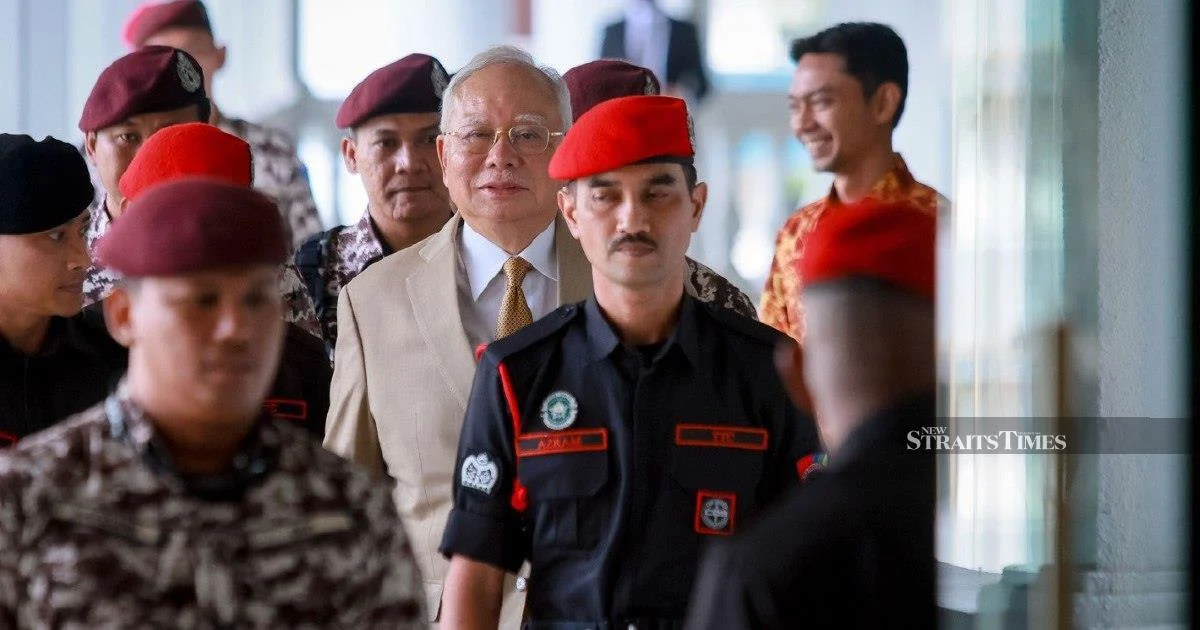
The full written judgment in the 1Malaysia Development Bhd financial scandal has been delivered in Kuala Lumpur today, marking a definitive legal milestone six months after Datuk Seri Najib Razak was convicted on all counts. The comprehensive ruling represents the culmination of years of investigation, prosecution, and courtroom proceedings that have captivated public attention across Malaysia and the region, establishing critical legal precedent for how the nation's courts address high-level financial crimes.
The judgment's release comes as significant vindication for enforcement agencies and prosecutors who have worked since 2015 to unravel the complex web of transactions and fund movements that characterised the 1MDB scandal. The case has been extraordinarily complex, involving intricate international financial networks, shell companies registered across multiple jurisdictions, and layers of obfuscation designed to obscure the true destination of state funds. The full reasoning behind the court's guilty verdicts offers detailed analysis of how funds were diverted, the mechanisms employed to conceal the transactions, and the evidence establishing Najib's knowledge and participation in the scheme.
What sets this judgment apart in the eyes of the judiciary is the sheer magnitude of the alleged misappropriation. The judge's characterisation of the scale as exceeding even the historical plundering associated with Attila the Hun speaks to the extraordinary nature of the financial loss involved. This comparison, while dramatic, reflects genuine judicial concern about the quantum of state resources involved and the systematic nature of the wrongdoing. The 1MDB case represents one of the largest alleged financial frauds in modern Asian history, with billions of ringgit implicated in the scheme.
For Malaysian readers, the judgment carries implications that extend far beyond the courtroom. The case has fundamentally shaped public discourse around governance, accountability, and the rule of law. The trial revealed how state institutions and regulatory frameworks could be circumvented or compromised, raising questions about the robustness of Malaysia's financial oversight mechanisms. The conviction and now the detailed judgment demonstrate that despite challenges, the legal system can hold even the most powerful figures accountable, though critics argue the process has been lengthy and that recovery of stolen assets remains incomplete.
The timing of the full judgment's release represents a significant moment in Malaysia's post-2018 trajectory. Following the electoral changes that year, successive governments have prioritised accountability for the 1MDB scandal as central to their legitimacy and commitment to fighting corruption. The conviction of a former Prime Minister on criminal charges was unprecedented in Malaysian history, setting a powerful example about the potential consequences of financial misconduct at the highest levels of government. The detailed written judgment provides the legal foundation for any further proceedings and appeals.
Regionally, the case has resonated beyond Malaysia's borders. The scandal involved major international financial institutions and individuals across multiple countries, including Singapore, Switzerland, and the United States. The Malaysian court's handling of the case has been watched carefully by observers across Southeast Asia, where concerns about corruption and capital flight remain significant policy challenges. The judgment demonstrates Malaysia's capacity to mount complex prosecutions involving international dimensions, though questions persist about asset recovery given the global dispersal of 1MDB-related funds.
The judgment also addresses technical legal questions that will influence how similar cases are prosecuted in the future. The court's analysis of criminal breach of trust, money laundering, and abuse of position establishes precedent for interpreting these offences in the context of state-level financial crimes. The reasoning deployed in reaching guilty verdicts on all charges—including charges relating to transactions worth billions—provides a detailed roadmap for understanding how Malaysian courts evaluate evidence in complex financial cases involving sophisticated concealment.
For the broader question of asset recovery, the judgment is a necessary but not sufficient step. Malaysia, together with international partners, has pursued litigation and negotiation to recover portions of the allegedly stolen funds. Several countries have returned assets, though the total recovered remains a fraction of the estimated loss. The judgment strengthens Malaysia's legal position in these international negotiations and recovery efforts, as it provides definitive judicial findings about the criminal nature of the transactions and the participation of specific individuals.
The detailed reasoning in the judgment also addresses the defence arguments that were presented during trial. The court's analysis of why it rejected various claims and contentions provides insight into how judges evaluated competing narratives and evidence. This aspect is particularly important for understanding the evidentiary standards applied and the weight given to documentary evidence, witness testimony, and expert analysis in establishing criminal liability in financial cases of this magnitude.
Looking forward, the judgment opens the door to further legal proceedings, including sentencing appeals, civil asset recovery actions, and potentially additional criminal charges against other individuals implicated in the scandal. The comprehensive nature of the written ruling means that appellate courts will have extensive factual and legal findings to consider if Najib's legal team pursues appeals. The judgment thus represents both a conclusion to the trial phase and a foundation for ongoing legal battles over the scandal's consequences and remedies.

%22%2F%3E%3C%2Fpattern%3E%3C%2Fdefs%3E%3Crect%20width%3D%22100%25%22%20height%3D%22100%25%22%20fill%3D%22url(%23ph2hy9vg)%22%2F%3E%3Crect%20width%3D%22100%25%22%20height%3D%22100%25%22%20fill%3D%22url(%23ph2hy9vp)%22%2F%3E%3Ctext%20x%3D%2250%25%22%20y%3D%2250%25%22%20text-anchor%3D%22middle%22%20dominant-baseline%3D%22central%22%20fill%3D%22rgba(255%2C255%2C255%2C0.95)%22%20font-family%3D%22Georgia%2C%20'Times%20New%20Roman'%2C%20serif%22%20font-weight%3D%22700%22%20font-size%3D%22272%22%20letter-spacing%3D%22-0.02em%22%3EAnwar%3C%2Ftext%3E%3C%2Fsvg%3E)