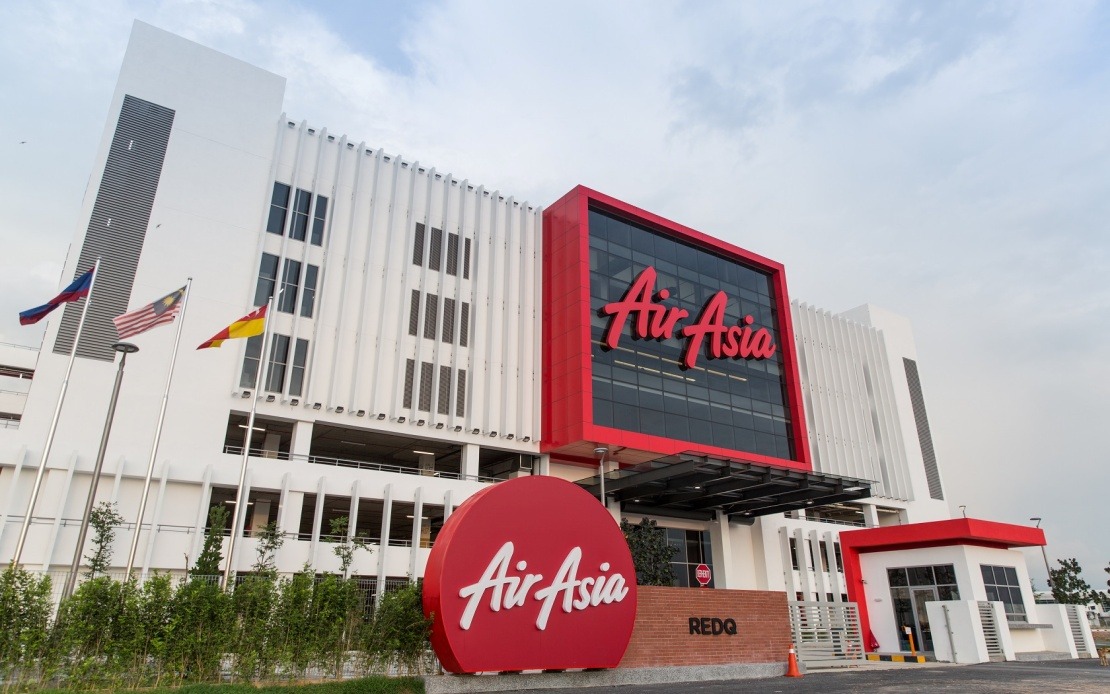
Malaysia's AirAsia has issued a public warning against a sophisticated employment scam targeting unsuspecting job applicants across the region. The low-cost airline disclosed that a deceptive recruitment website operating under the domain http://airasiaexpress.com is actively soliciting personal information from candidates while falsely posing as an official AirAsia hiring platform.
The fraudulent operation employs an increasingly common tactic in employment-related fraud: creating a near-replica of the company's legitimate careers page to establish false credibility. Once applicants engage with the fake portal, they are asked to provide sensitive personal details—including identification numbers, bank account information, and employment history—under the guise of a standard recruitment process. The scam then escalates by demanding applicants pay so-called "processing fees" to advance in the hiring pipeline, a request that legitimate employers never make.
AirAsia clarified that its genuine careers portal operates exclusively through http://careers.airasia.com, and the airline has implemented a firm policy of never charging any fees at any stage of its recruitment process. This distinction is critical for job seekers navigating the employment market, where legitimate companies universally provide free application channels and transparent hiring procedures. The airline's statement emphasized that applicants should exercise extreme caution when applying for positions and verify the authenticity of any recruitment website before entering personal or financial information.
The emergence of this scam reflects a broader trend affecting employment seekers across Southeast Asia. With regional airlines like AirAsia employing thousands of workers across multiple countries and offering competitive salaries, the company becomes an attractive target for fraudsters seeking to exploit genuine interest in airline careers. Job seekers eager to secure positions with reputable multinational employers often lower their guard during the application phase, making them vulnerable to sophisticated impersonation schemes.
AirAsia's decision to publicize this warning demonstrates the airline's commitment to protecting potential employees from financial harm. The company encouraged the public to verify all recruitment communications through official channels before taking any action. This proactive disclosure serves as a crucial safeguard, particularly for first-time job applicants or international candidates unfamiliar with AirAsia's legitimate hiring procedures.
The financial impact of such scams extends beyond individual losses. When job seekers lose money to fake recruitment schemes, they experience not only direct monetary damage but also emotional distress and delayed entry into the legitimate job market. In Malaysia's competitive employment landscape, where thousands compete for positions at major corporations, such distractions can significantly impact an applicant's job search timeline and overall prospects.
Malaysian regulatory authorities and consumer protection agencies have increasingly flagged employment scams as a persistent threat. The sophistication of modern fraud operations—employing authentic-looking websites, mimicking corporate branding, and leveraging the legitimacy of multinational brands—requires vigilance from both employers and job seekers. AirAsia's warning aligns with broader industry efforts to educate the public about distinguishing genuine opportunities from predatory schemes.
For job applicants targeting AirAsia positions, the airline recommends approaching any unsolicited job offers with skepticism and independently verifying recruitment information through official corporate channels. Contacting AirAsia's human resources department directly through publicly listed corporate phone numbers or official email addresses provides a reliable method to confirm whether a particular vacancy or application portal is authentic. This verification step takes minimal effort but offers substantial protection against fraud.
The incident also underscores the importance of digital literacy and cybersecurity awareness in today's job market. Applicants should examine website URLs carefully, looking for slight misspellings or domain variations that scammers exploit to create convincing forgeries. Legitimate companies typically use official domain extensions (.com or country-specific variants) associated with their registered business names, and any deviation warrants further investigation.
AirAsia continues monitoring fraudulent activities targeting its brand and recruitment process, indicating the airline's sustained commitment to protecting both its corporate reputation and vulnerable job seekers. The company encourages anyone encountering suspicious recruitment websites or communications claiming to represent AirAsia to report such incidents to relevant authorities and to the airline directly. Such collaborative reporting helps law enforcement agencies track scam networks and prevent additional victims from losing money to organized fraud operations.
The broader context of employment fraud in Southeast Asia reflects criminals' sophistication in exploiting regional labor migration patterns and the aspirations of job seekers targeting major employers. With air travel expanding across Asia and airlines continuously recruiting ground staff, cabin crew, and administrative personnel, employment scams leveraging airline brand recognition will likely persist unless job seekers remain informed and vigilant. AirAsia's transparent communication about this particular threat represents an important public service that extends protection beyond the airline's own applicants to the wider employment-seeking community.

%22%2F%3E%3C%2Fpattern%3E%3C%2Fdefs%3E%3Crect%20width%3D%22100%25%22%20height%3D%22100%25%22%20fill%3D%22url(%23ph2hy9vg)%22%2F%3E%3Crect%20width%3D%22100%25%22%20height%3D%22100%25%22%20fill%3D%22url(%23ph2hy9vp)%22%2F%3E%3Ctext%20x%3D%2250%25%22%20y%3D%2250%25%22%20text-anchor%3D%22middle%22%20dominant-baseline%3D%22central%22%20fill%3D%22rgba(255%2C255%2C255%2C0.95)%22%20font-family%3D%22Georgia%2C%20'Times%20New%20Roman'%2C%20serif%22%20font-weight%3D%22700%22%20font-size%3D%22272%22%20letter-spacing%3D%22-0.02em%22%3EAnwar%3C%2Ftext%3E%3C%2Fsvg%3E)