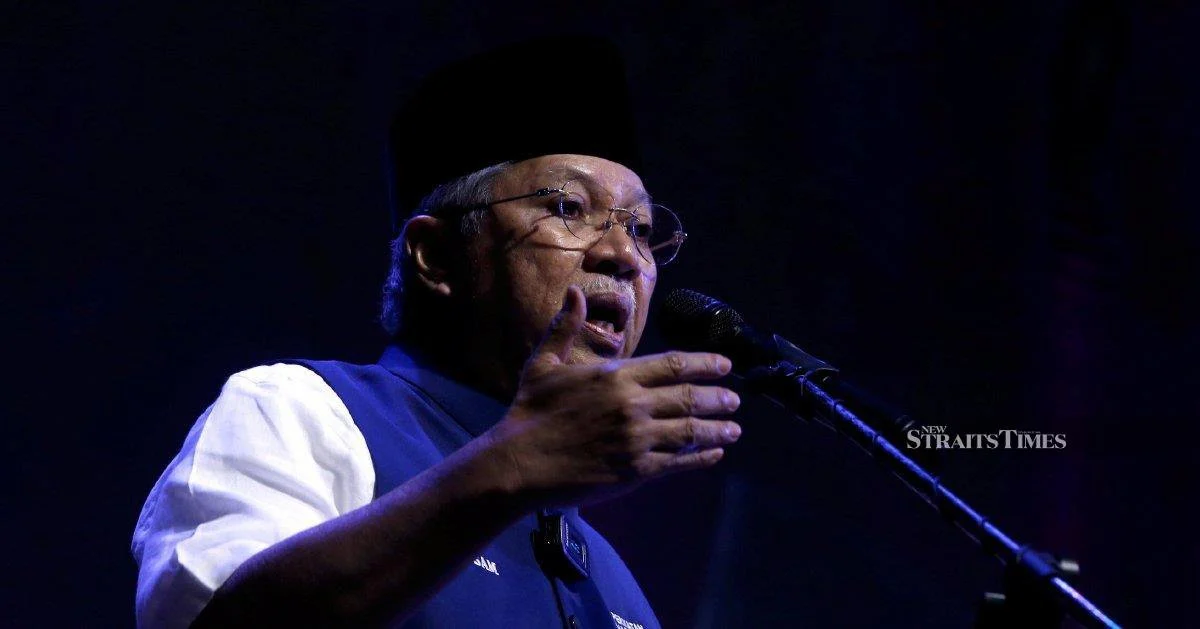
Bersatu faces mounting pressure to maintain composure as fissures within the Perikatan Nasional coalition deepen, with party leadership now actively cautioning members against inflammatory rhetoric that could further destabilise the already fragile political alliance. The appeal for restraint underscores growing concerns within the party hierarchy about the implications of unguarded commentary at a moment when PN itself is navigating significant internal divisions that threaten its cohesion and effectiveness as a parliamentary bloc.
The coalition, which has served as a major opposition force in Malaysian politics, has found itself wrestling with disagreements over strategic direction and policy priorities. These tensions have compelled senior figures within Bersatu to intervene directly, signalling that party leadership recognises the peril of allowing members to publicly air grievances or take unilateral positions that could be interpreted as broader party policy shifts. The appeal for calm reflects a classic coalition management challenge: maintaining unified messaging while accommodating diverse interests among partner parties and internal factions.
For Bersatu specifically, the current moment carries particular significance. As a pivotal member of PN, the party's conduct and restraint directly influence how the broader coalition is perceived by both the electorate and fellow coalition members. Any appearance of Bersatu acting independently or pursuing its own agenda could be seized upon by rivals as evidence of PN's structural fragility. This dynamic creates a delicate balancing act for party leadership, who must address internal concerns while projecting confidence and stability to external observers.
The broader context of PN's troubles extends beyond simple personality clashes or routine political disagreements. Malaysia's complex political landscape, characterised by multiple coalition possibilities and shifting allegiances, means that any public display of internal discord can have immediate implications for legislative stability and government formation scenarios. Coalition partners watching PN's internal dynamics are assessing whether the alliance remains a viable long-term political vehicle, making every public statement a potential signal about the coalition's future viability.
For Malaysian voters, these developments raise important questions about political leadership and party discipline. The electorate has grown increasingly weary of spectacles involving coalition partners engaging in public disputes that appear more about personal positioning than substantive governance concerns. The leadership's explicit appeal for measured responses therefore speaks to an understanding that public trust in PN depends partly on demonstrating institutional discipline and mature conflict resolution.
The tensions within PN reflect broader challenges facing opposition coalitions in Malaysian politics. Unlike ruling coalitions, which benefit from patronage machinery and institutional resources to manage dissent, opposition alliances must rely heavily on ideological alignment and perceived electoral viability. When either factor weakens, coalition members face temptation to pursue independent agendas or position themselves as alternatives, creating exactly the kind of instability now visible within PN.
Bersatu's position within this dynamic deserves particular scrutiny. The party, which originated as a breakaway from the United Malays National Organisation during a period of significant political turbulence, has consistently proven adept at navigating complex coalition environments. However, current circumstances test this adaptability in new ways, particularly if internal disagreements threaten to undermine the party's ability to advocate for its core constituencies and policy priorities.
The appeal for restraint also carries implicit warnings about the risks of unmediated public communication in an era of instant social media coverage. Senior party figures evidently worry that members making inflammatory or premature statements could generate headlines that misrepresent official party positions or inadvertently escalate minor disagreements into major crises. This concern reflects lessons learned from previous Malaysian political episodes where intemperate public remarks sparked disproportionate controversy.
Looking forward, the test of this disciplinary message will lie in whether Bersatu members comply with leadership guidance during the coming weeks and months. Should the party succeed in maintaining unified public messaging while resolving internal differences through proper channels, it could demonstrate the kind of institutional maturity that strengthens coalition partners' confidence in each other. Conversely, failure to enforce this discipline could accelerate fragmentation narratives that would benefit PN's political rivals.
Ultimately, this moment reflects the vulnerability inherent in opposition coalition politics. Without the stabilising force of government resources and patronage networks, coalitions like PN remain inherently fragile, dependent on sustained alignment between parties that may harbour quite different long-term ambitions. The leadership's explicit call for calm is essentially an appeal for patience during a period when political options remain genuinely uncertain, and premature moves could prove costly for all coalition participants.
For regional observers, PN's current struggles offer insights into the dynamics of multi-party democratic politics in Southeast Asia more broadly. Sustained coalition management requires discipline not just from party leaders but from rank-and-file members who must suppress individual or factional impulses in service of larger strategic objectives. The explicit nature of Bersatu's latest appeal suggests that leadership recognises this challenge acutely and remains determined to address it directly, at least for now.


%22%2F%3E%3C%2Fpattern%3E%3C%2Fdefs%3E%3Crect%20width%3D%22100%25%22%20height%3D%22100%25%22%20fill%3D%22url(%23ph2hy9vg)%22%2F%3E%3Crect%20width%3D%22100%25%22%20height%3D%22100%25%22%20fill%3D%22url(%23ph2hy9vp)%22%2F%3E%3Ctext%20x%3D%2250%25%22%20y%3D%2250%25%22%20text-anchor%3D%22middle%22%20dominant-baseline%3D%22central%22%20fill%3D%22rgba(255%2C255%2C255%2C0.95)%22%20font-family%3D%22Georgia%2C%20'Times%20New%20Roman'%2C%20serif%22%20font-weight%3D%22700%22%20font-size%3D%22272%22%20letter-spacing%3D%22-0.02em%22%3EAnwar%3C%2Ftext%3E%3C%2Fsvg%3E)