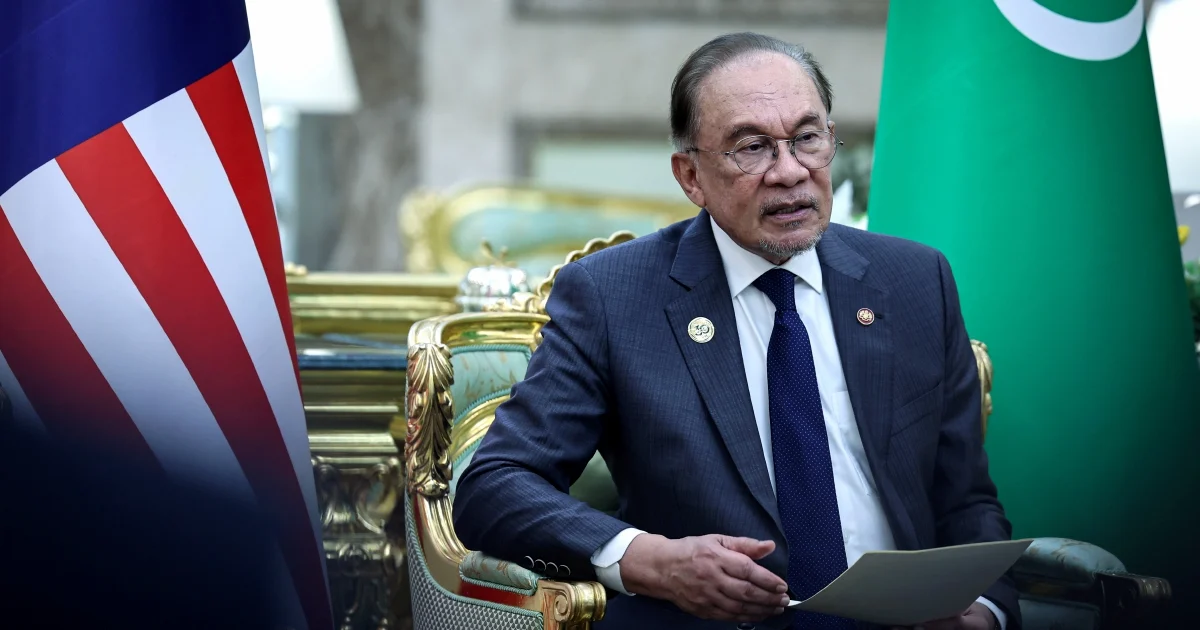
Prime Minister Datuk Seri Anwar Ibrahim has expressed cautious optimism over reports of diplomatic progress between the United States and Iran, underlining Malaysia's interest in de-escalation efforts that could ease regional tensions and benefit international commerce. Speaking in Batu Kawan, Anwar characterised the reported accord as welcome news on the world stage, reflecting Kuala Lumpur's traditional position as a neutral arbiter in global affairs and its commitment to peaceful resolution of disputes among major powers.
The development comes at a particularly sensitive moment in international relations, with Middle Eastern geopolitical dynamics influencing energy markets, shipping routes, and security frameworks across Asia-Pacific. Malaysia, as a significant trading nation and member of the Non-Aligned Movement, has long advocated for dialogue-based approaches to international conflicts rather than military confrontation. Anwar's remarks signal the government's preference for mechanisms that reduce the risk of direct conflict between Washington and Tehran, which could otherwise destabilise global markets and security arrangements that affect Southeast Asian economies.
The significance of diplomatic breakthroughs between these two major powers extends beyond bilateral concerns. The Middle East remains strategically important to Malaysia through multiple lenses: energy security, given Malaysia's petroleum sector connections and regional trade dependencies; maritime security, with the Strait of Hormuz serving as a critical conduit for global commerce; and cultural ties, particularly Malaysia's historically close relationships with Muslim-majority nations throughout the region. Any escalation between the US and Iran threatens these interconnected interests and could trigger humanitarian crises that draw regional involvement.
Anwar's measured endorsement reflects Malaysia's broader diplomatic philosophy of supporting initiatives that strengthen international law and multilateral cooperation. Throughout his political career, the Prime Minister has been known for advocating balanced foreign policy approaches that neither align Malaysia exclusively with any single power bloc nor isolate the country from major geopolitical actors. His acknowledgement of US-Iran progress demonstrates this principled pragmatism, suggesting Malaysia views such accords as enabling more stable regional relationships and reducing zero-sum competition that historically destabilises smaller nations caught in great power rivalries.
The timing of the Prime Minister's comments also underscores Malaysia's positioning within broader Asian diplomatic frameworks. As tensions between different power blocs have intensified over recent years—affecting everything from trade relationships to technology standards to security partnerships—nations like Malaysia have emphasised the value of maintaining dialogue channels and pursuing negotiated settlements. An easing of US-Iran hostility could reduce pressures on Southeast Asian governments to choose sides in larger geopolitical contests and allow them to focus on economic development and regional integration priorities.
From an economic perspective, American and Iranian tensions have had tangible effects on global oil prices, supply chain stability, and international business sentiment. Malaysian companies engaged in shipping, petrochemicals, and international trade have experienced volatility stemming from Middle Eastern instability. A genuine breakthrough between Washington and Tehran could theoretically contribute to more predictable market conditions, though the success and durability of any agreement will ultimately depend on implementation mechanisms and the political sustainability of commitments by both sides.
Anwar's optimism must be interpreted with appropriate caution, however. The Prime Minister expressed hope that such initial agreements could translate into lasting peace, a formulation that acknowledges the substantial distance between preliminary accords and sustained diplomatic resolution. Historical precedent demonstrates that agreements between the US and Iran have proven fragile, subject to domestic political pressures, competing regional interests, and disputes over verification and compliance. Malaysia's experience as a country frequently caught between conflicting international interests gives its leadership acute awareness of how quickly diplomatic progress can unravel.
The Prime Minister's statement also reflects Malaysian interests in maintaining relationships across the Islamic world without compromising ties to Western powers. Malaysia conducts significant trade with both the United States and various Middle Eastern nations, making broad-based regional stability economically advantageous. By welcoming US-Iran diplomatic movement without prescribing specific terms or outcomes, Anwar positions Malaysia as supportive of peace processes generally while avoiding entanglement in the substantive negotiations between these major powers.
Looking forward, Malaysia will likely monitor developments in US-Iran relations for signals about regional security trajectories and global economic stability. Should genuine sustained improvement occur, Malaysian policymakers may adjust strategic planning regarding energy security, maritime safety, and investment environments. Conversely, if initial agreements prove temporary or collapse under pressure, Malaysia would need to reassess potential consequences for regional security and international commerce. Anwar's measured welcome represents the appropriate diplomatic posture—expressing optimism while reserving final judgement until concrete results materialise over time.

%22%2F%3E%3C%2Fpattern%3E%3C%2Fdefs%3E%3Crect%20width%3D%22100%25%22%20height%3D%22100%25%22%20fill%3D%22url(%23ph2hy9vg)%22%2F%3E%3Crect%20width%3D%22100%25%22%20height%3D%22100%25%22%20fill%3D%22url(%23ph2hy9vp)%22%2F%3E%3Ctext%20x%3D%2250%25%22%20y%3D%2250%25%22%20text-anchor%3D%22middle%22%20dominant-baseline%3D%22central%22%20fill%3D%22rgba(255%2C255%2C255%2C0.95)%22%20font-family%3D%22Georgia%2C%20'Times%20New%20Roman'%2C%20serif%22%20font-weight%3D%22700%22%20font-size%3D%22272%22%20letter-spacing%3D%22-0.02em%22%3EAnwar%3C%2Ftext%3E%3C%2Fsvg%3E)