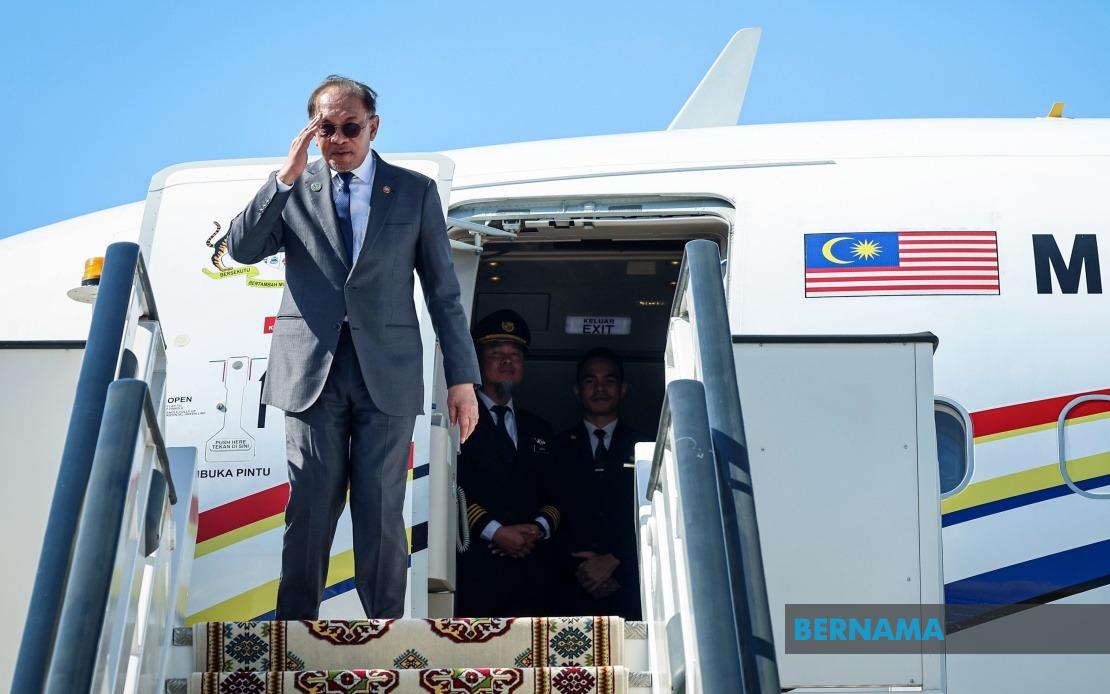
Prime Minister Datuk Seri Anwar Ibrahim touched down in Penang on June 20 immediately after concluding his two-day official visit to Turkmenistan, embarking on a busy working schedule that underscores the government's push to attract foreign investment and recognise the media sector. The visit, which began on June 18 at the invitation of President Serdar Berdimuhamedov, marked Anwar's first engagement with Turkmenistan since he took office as Malaysia's 10th Prime Minister in November 2022. His aircraft departed Ashgabat International Airport at 4.45 pm local time, arriving in Penang where multiple high-profile commitments awaited.
The Penang leg of Anwar's journey demonstrates the government's commitment to maintaining momentum on economic development initiatives even during his international engagements. As Finance Minister alongside his role as Premier, Anwar personally oversaw the opening of MKS Instruments Malaysia Sdn Bhd at Bandar Cassia Technology Park in Batu Kawan at 11 am, signalling the administration's continued focus on attracting multinational corporations to establish manufacturing and technology operations in Malaysia. The technology park location in Batu Kawan reflects the broader strategy to develop the northern corridor as a competitive investment destination within the Southeast Asian region.
Following the MKS Instruments opening, Anwar proceeded to the groundbreaking ceremony for Setia Fontaines Industrial Park at the Setia Experience Centre in Bandar Setia Fontaines, Kepala Batas, at 1 pm. This project represents a significant milestone in urban and industrial development for Penang, embodying the private sector's commitment to long-term economic growth in the state and the broader Northern Corridor region. The Setia development, one of Malaysia's major property developers, signalled its confidence in the economic trajectory of Penang and northern Selangor through this substantial infrastructure investment. During the groundbreaking, Setia also unveiled two additional strategic collaborations within the township, suggesting a comprehensive integrated approach to industrial development rather than isolated projects.
The significance of these economic announcements lies in their timing and frequency. Anwar's decision to prioritise these openings immediately upon returning from international diplomatic engagements sends a clear message to investors about the government's hands-on approach to economic development. The clustering of such announcements in Penang also reflects recognition of the state's growing importance as a manufacturing and technology hub, competing with established centres like Selangor and Johor for high-value foreign investment.
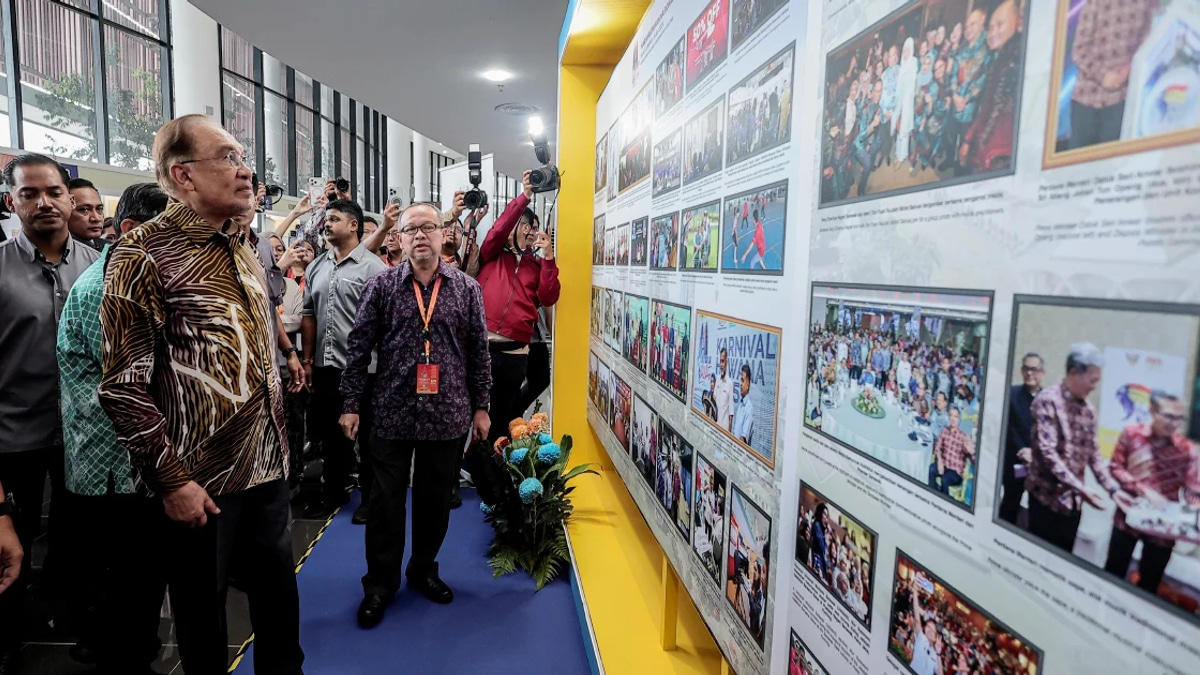
Later the same afternoon, Anwar attended the National Journalists' Day (HAWANA) 2026 Grand Finale at PICCA Convention Centre @ Butterworth Arena at 3 pm, an event expected to attract approximately 1,000 media practitioners from Malaysia and internationally. This segment of his schedule illustrates the government's parallel commitment to strengthening relationships with the media industry and recognising journalists' contributions to public discourse. The event, organised by the Communications Ministry with Bernama as the implementing agency, serves as the premier annual platform for honouring media professionals and their role in shaping national dialogue.
At the HAWANA ceremony, Anwar was scheduled to present both the HAWANA Award and Special HAWANA Award to recipients who have demonstrated exceptional dedication and professionalism in journalism and contributions to public thought development. Beyond ceremonial duties, the Prime Minister also distributed allocations from Tabung Kasih@HAWANA to media practitioners facing financial hardship. This initiative underscores the government's recognition that the media sector faces economic challenges and requires institutional support during difficult periods, reflecting a broader policy framework acknowledging journalism's importance to democratic health.
HAWANA itself has become an integral part of Malaysia's media landscape, serving as an annual occasion to celebrate and strengthen the profession. By personally attending and presenting awards, Anwar reinforced the government's investment in maintaining healthy relationships with the media industry at a time when press freedom and editorial independence remain subjects of national conversation. The attendance of international delegates alongside Malaysian practitioners also positions Malaysia within the broader global media community, suggesting openness to international standards and practices.
The broader diplomatic context enriches understanding of Anwar's schedule during this period. Before arriving in Penang, the Prime Minister had attended the 35th ASEAN-Russia Commemorative Summit in Kazan, Russia, accompanied by Investment, Trade and Industry Minister Datuk Seri Johari Abdul Ghani and Economy Minister Akmal Nasrullah Mohd Nasir. This regional engagement demonstrated Malaysia's continued engagement with Russia and broader ASEAN solidarity on multilateral platforms, occurring amid complex geopolitical dynamics in Southeast Asia. The transition from international diplomacy to domestic economic promotion exemplifies contemporary prime ministerial responsibilities, where global engagement and local development initiatives must proceed in parallel.
Anwar's packed one-day Penang schedule demonstrates the demanding nature of holding dual portfolios as Prime Minister and Finance Minister. Managing both roles requires careful coordination of domestic economic policy with international diplomatic engagement. The sequential nature of these commitments—moving from industrial park openings to media industry recognition—also suggests a holistic view of national development that encompasses both hard infrastructure and soft power elements like media freedom and journalism standards.
The evening's conclusion saw Anwar scheduled to attend the Himpunan Pertubuhan Lima Generasi (PLG) Malaysia dinner in Negeri Sembilan, extending his working visits across multiple states in a single day. This peripatetic approach to governance, while physically demanding, allows the Prime Minister to maintain visibility across different regions and demonstrate responsiveness to various stakeholder groups. The pattern of three distinct engagements—industrial development, media recognition, and civil society engagement—presents a rounded portrait of government priorities.
For Penang specifically, the day represented significant attention from the highest levels of government, with major industrial announcements and the hosting of a major national media event. The state's continued positioning as an economic hub and site of substantial foreign investment hinges partly on such high-profile government endorsements and project launches. The concentration of announcements in a single day maximises media coverage and investor attention, creating a narrative of momentum and confidence in Penang's economic prospects.
The diplomatic importance of Anwar's Turkmenistan visit, coupled with his subsequent focus on domestic economic promotion, illustrates the interconnected nature of modern governance. Diplomatic relationships facilitate investment flows, trade partnerships, and technology transfers that ultimately benefit domestic economies. By engaging both dimensions—international relations and local economic development—within the same journey, Anwar demonstrated the integrated approach increasingly necessary for prime ministerial leadership in globalised economies.

%22%2F%3E%3C%2Fpattern%3E%3C%2Fdefs%3E%3Crect%20width%3D%22100%25%22%20height%3D%22100%25%22%20fill%3D%22url(%23ph2hy9vg)%22%2F%3E%3Crect%20width%3D%22100%25%22%20height%3D%22100%25%22%20fill%3D%22url(%23ph2hy9vp)%22%2F%3E%3Ctext%20x%3D%2250%25%22%20y%3D%2250%25%22%20text-anchor%3D%22middle%22%20dominant-baseline%3D%22central%22%20fill%3D%22rgba(255%2C255%2C255%2C0.95)%22%20font-family%3D%22Georgia%2C%20'Times%20New%20Roman'%2C%20serif%22%20font-weight%3D%22700%22%20font-size%3D%22272%22%20letter-spacing%3D%22-0.02em%22%3EAnwar%3C%2Ftext%3E%3C%2Fsvg%3E)