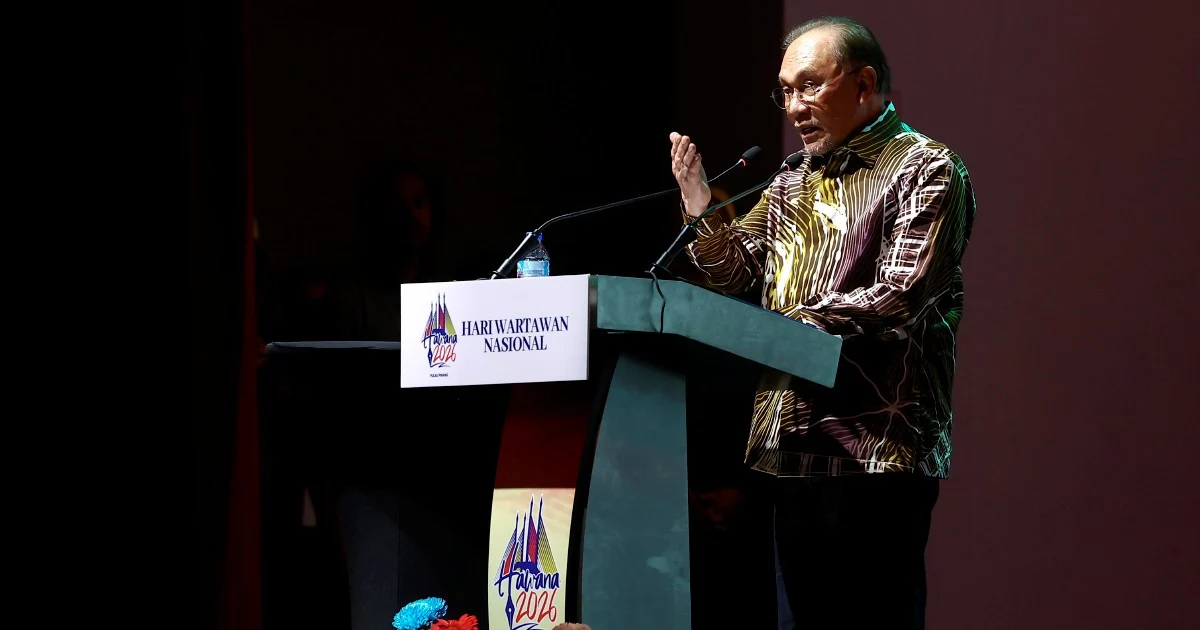
Pakatan Harapan chairman Datuk Seri Anwar Ibrahim will announce the coalition's slate of candidates for the upcoming Johor state election tomorrow at Bukit Gambir, signalling the start of active campaigning in Malaysia's second-largest state. The candidate announcement represents a critical moment for the opposition coalition as it seeks to consolidate support in a state where electoral dynamics have shifted considerably over recent years.
Johor has been a crucial battleground in Malaysian politics, with control of the state government carrying symbolic and practical significance for any coalition aspiring to federal power. The timing of Anwar's announcement suggests that PH is preparing for an imminent poll, likely within the coming months. The choice of Bukit Gambir as the venue for this announcement carries strategic implications, positioning the candidate launch in a location with particular electoral relevance to PH's broader Johor strategy.
The Johor state election will test whether Pakatan Harapan can rebuild momentum in a state where its fortunes have fluctuated considerably. The coalition faces the dual challenge of defending constituencies where it holds seats while attempting to wrest control from the ruling Barisan Nasional, which has historically dominated Johor politics. The candidate selection process itself reflects ongoing negotiations between PH's component parties—PKR, DAP, and Amanah—over seat distribution and campaign priorities.
Anwar's personal involvement in announcing the candidates underscores the importance PH places on the Johor election. As Prime Minister and coalition chairman, his direct participation signals that the party leadership views this contest as integral to its political fortunes and its narrative heading toward future federal elections. His presence at the announcement will also allow him to articulate the coalition's policy agenda specific to Johor's economic and social priorities.
The Johor electorate has demonstrated its capacity to deliver surprising results in recent election cycles, reflecting broader shifts in voter sentiment and generational changes in the state's political consciousness. Younger voters, urbanisation trends, and economic concerns have reshaped the political landscape, creating both opportunities and vulnerabilities for established parties. Pakatan Harapan's candidate selection will need to reflect sensitivity to these evolving dynamics and the state's diverse communities.
For Malaysian political observers and analysts, the candidate announcement will provide important clues about PH's strategic priorities within Johor. The choice between experienced incumbent lawmakers and fresh faces, the balance between ethnic representation, and the allocation of winnable seats to each component party will reveal much about internal coalition dynamics and the coalition's confidence in various constituencies. Regional analysts will scrutinise whether the selection demonstrates unity or reflects lingering tensions between PH partners.
Bukit Gambir itself carries specific electoral significance within Johor's political geography. The location choice for such a high-profile announcement suggests PH views this area as strategically important, either as a constituency the coalition aims to defend or reclaim. The venue selection often communicates a campaign's geographic emphasis and the constituencies receiving prioritised resources and leadership attention.
The Johor election takes on added significance given current national political configurations and the competitive landscape at the federal level. State elections increasingly serve as bellwethers for national sentiment, with their outcomes influencing political calculations in Putrajaya and shaping the trajectory of coalition building ahead of the next general election. A strong performance in Johor could substantially strengthen Anwar's position and PH's national prospects, while disappointing results could embolden rivals and complicate coalition negotiations.
Packatan Harapan's preparation for this announcement reflects the coalition's recognition that successful state-level performance remains essential to maintaining political relevance and building the foundation for future federal campaigns. The Johor election campaign will likely feature debates about economic development, investment attraction, and governance quality—issues particularly salient to one of Malaysia's most economically important states. The coalition will seek to position its candidates as agents of change and effective administrators.
The announcement also comes at a time when Malaysian politics continues to navigate post-pandemic economic challenges and voter expectations regarding government performance. Johor residents, many engaged in commerce, manufacturing, and service industries with cross-border links to Singapore, will likely prioritise candidates capable of delivering tangible economic benefits and credible governance. The candidate lineup that Anwar unveils tomorrow will need to project competence and connect authentically with these practical voter concerns.
Meanwhile, the opposition's campaign machinery will activate following the announcement, with party machinery mobilised to introduce candidates to constituencies and begin canvassing efforts. Media coverage of the candidate launch will shape initial public perceptions and establish narrative frameworks for the election campaign. How effectively PH communicates its candidate strengths and coalition vision during this announcement period could significantly influence voter attitudes heading into the actual polling.
As Johor braces for electoral activity, all eyes will be on Bukit Gambir tomorrow to assess whether Pakatan Harapan's candidate selection reflects strategic depth and broad-based appeal, or whether it exposes vulnerabilities in the coalition's preparations. The announcement will set the tone for what promises to be a highly contested and politically significant state election.
%22%2F%3E%3C%2Fpattern%3E%3C%2Fdefs%3E%3Crect%20width%3D%22100%25%22%20height%3D%22100%25%22%20fill%3D%22url(%23ph4g5org)%22%2F%3E%3Crect%20width%3D%22100%25%22%20height%3D%22100%25%22%20fill%3D%22url(%23ph4g5orp)%22%2F%3E%3Ctext%20x%3D%2250%25%22%20y%3D%2250%25%22%20text-anchor%3D%22middle%22%20dominant-baseline%3D%22central%22%20fill%3D%22rgba(255%2C255%2C255%2C0.95)%22%20font-family%3D%22Georgia%2C%20'Times%20New%20Roman'%2C%20serif%22%20font-weight%3D%22700%22%20font-size%3D%22320%22%20letter-spacing%3D%22-0.02em%22%3E32%3C%2Ftext%3E%3C%2Fsvg%3E)