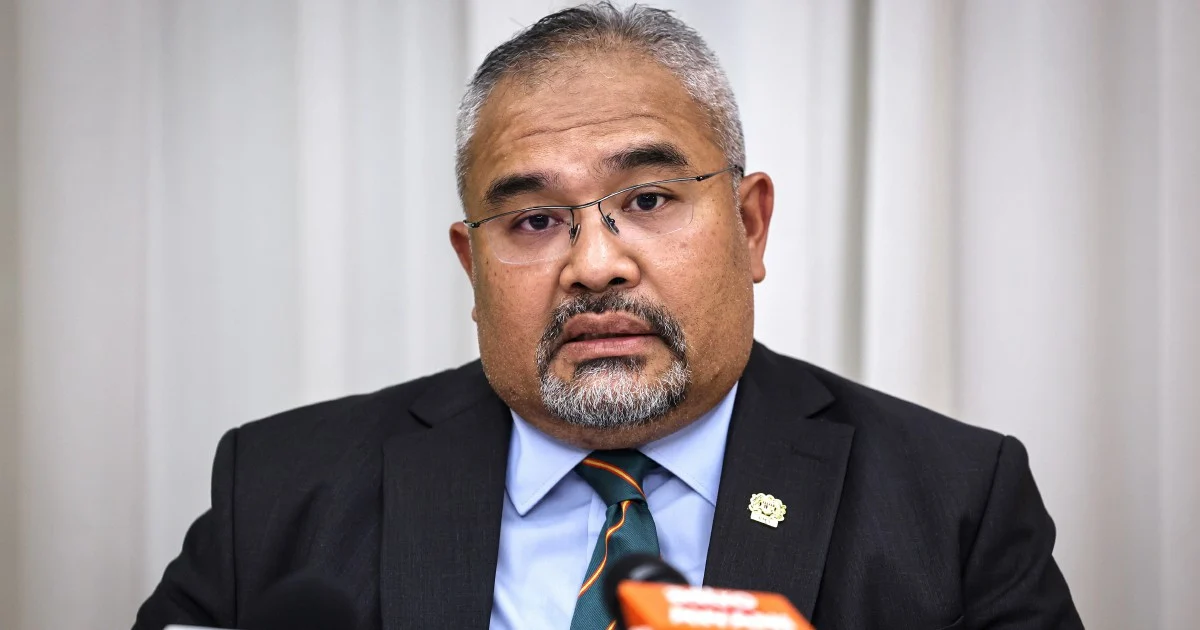
Prime Minister Datuk Seri Anwar Ibrahim's two-day visit to Ashgabat from June 18 to 19 represents a significant diplomatic move to elevate Malaysia's strategic relationship with Turkmenistan, a nation rich in hydrocarbon resources and positioned at the crossroads of Asian trade routes. The visit underscores Malaysia's broadening foreign policy approach beyond traditional Southeast Asian partnerships, reflecting the government's intent to diversify economic partnerships and secure long-term energy supplies for the country's growing industrial needs.
Turkmenistan, home to the world's fourth-largest proven natural gas reserves, offers Malaysia substantial opportunities in the energy sector at a time when the nation seeks to strengthen its petroleum and gas security. The Central Asian nation's vast hydrocarbon wealth has made it an increasingly attractive partner for countries seeking to diversify their energy portfolios away from traditional Middle Eastern suppliers. For Malaysia, which continues to rely significantly on imported energy resources despite domestic production, establishing deeper ties with Turkmenistan could unlock new avenues for long-term supply agreements and joint exploration ventures that benefit both nations' economic development.
Beyond energy cooperation, the visit is positioned to explore collaboration in transportation and logistics, sectors where Malaysia and Turkmenistan can leverage complementary strengths. Malaysia's established port infrastructure and shipping expertise, particularly through Kuala Lumpur Port and Port Klang, could facilitate Turkmenistan's access to Asian markets. Conversely, Turkmenistan's role as a transit hub between Europe and Asia presents opportunities for Malaysian businesses to establish regional distribution networks. Enhanced connectivity would benefit both economies by reducing transaction costs and creating new trade corridors that link Central Asia to Southeast Asian supply chains.
Agricultural cooperation represents another avenue for bilateral engagement, with particular relevance for Malaysia's food security agenda. While Turkmenistan faces challenges in arable land due to its predominantly desert terrain, the nation possesses significant expertise in cotton production and irrigation technology that could be adapted for Malaysian agricultural innovation. Simultaneously, Malaysia's experience in palm oil cultivation and tropical agriculture could provide valuable knowledge transfer to Turkmenistan's agricultural sector, fostering mutually beneficial research and development initiatives.
The timing of Anwar's visit reflects Malaysia's strategic pivot toward Central Asian nations as part of its broader foreign policy diversification. Southeast Asia has traditionally dominated Malaysia's diplomatic and economic focus, but the contemporary geopolitical landscape increasingly demands that nations establish multiple strategic partnerships to maintain economic resilience and political influence. By engaging with Turkmenistan and other Central Asian states, Malaysia positions itself as a bridge economy linking Asian regions and reduces its vulnerability to disruptions in any single bilateral relationship.
Turkmenistan has consistently pursued policies of permanent neutrality since its independence from the Soviet Union, maintaining pragmatic relationships with multiple global powers while avoiding formal military alliances. This neutrality has created a stable environment for commercial diplomacy, making the nation an attractive partner for countries like Malaysia that prefer issue-based cooperation over entangling geopolitical commitments. The visit thus allows Malaysia to pursue concrete economic interests without navigating complex regional political tensions that characterize other parts of Central Asia.
From a Malaysian perspective, deepening ties with Turkmenistan also signals the government's commitment to expanding market access for Malaysian businesses in regions less saturated by established regional competitors. Turkmenistan's growing middle class and increasing urbanization present emerging consumer markets for Malaysian products, from manufactured goods to services. Malaysian firms in engineering, construction, and telecommunications could find expanding opportunities in Ashgabat's ongoing infrastructure development projects and modernization initiatives.
The diplomatic framework established through this visit is likely to include formal agreements on trade facilitation, investment protection, and sectoral cooperation that create institutional pathways for sustained engagement beyond the Prime Minister's tenure. Such agreements typically involve establishing bilateral commissions, expanding visa categories for business travelers, and creating mechanisms for resolving trade disputes, all of which lower barriers to commercial interaction and encourage private sector participation in Malaysia-Turkmenistan ventures.
For Southeast Asia more broadly, Malaysia's outreach to Central Asia demonstrates the region's growing recognition that economic opportunities extend beyond traditional geographic boundaries. As regional economies mature and competition intensifies within ASEAN, nations increasingly look toward neighboring regions to maintain growth momentum. Malaysia's historical experience as a trading nation and gateway to Asia positions it well to facilitate such expansion, potentially enhancing its role as a regional economic hub while attracting Central Asian interest in Southeast Asian markets and investment opportunities.


%22%2F%3E%3C%2Fpattern%3E%3C%2Fdefs%3E%3Crect%20width%3D%22100%25%22%20height%3D%22100%25%22%20fill%3D%22url(%23ph2hy9vg)%22%2F%3E%3Crect%20width%3D%22100%25%22%20height%3D%22100%25%22%20fill%3D%22url(%23ph2hy9vp)%22%2F%3E%3Ctext%20x%3D%2250%25%22%20y%3D%2250%25%22%20text-anchor%3D%22middle%22%20dominant-baseline%3D%22central%22%20fill%3D%22rgba(255%2C255%2C255%2C0.95)%22%20font-family%3D%22Georgia%2C%20'Times%20New%20Roman'%2C%20serif%22%20font-weight%3D%22700%22%20font-size%3D%22272%22%20letter-spacing%3D%22-0.02em%22%3EAnwar%3C%2Ftext%3E%3C%2Fsvg%3E)