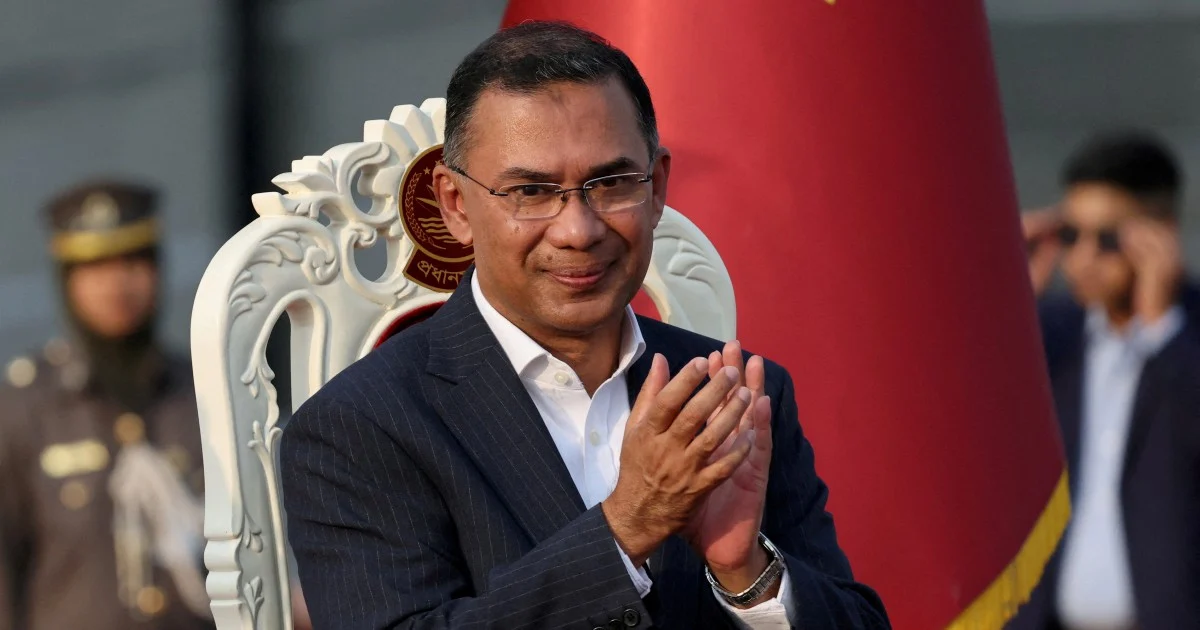
Bangladesh Prime Minister Tarique Rahman touched down in Malaysia today, marking the beginning of a significant official visit aimed at reinvigorating diplomatic ties between the two South and Southeast Asian nations. The arrival at Sepang signals a renewed commitment from Dhaka to deepen its engagement with Malaysia across multiple sectors and policy domains.
The visit comes at a time when both nations are reassessing their regional roles and seeking to expand economic and political cooperation in an increasingly multipolar geopolitical landscape. Bangladesh, with its significant Muslim-majority population and strategic location in the Bay of Bengal, has long maintained close ties with Malaysia, a major economic power in Southeast Asia. This official engagement underscores the importance both governments place on maintaining robust diplomatic channels at the highest levels.
Tarique Rahman's visit provides an opportunity for substantive discussions on trade and investment partnerships. The two countries have considerable potential to expand commerce, particularly in sectors such as textiles, manufacturing, and technology. Malaysia's position as a regional financial hub and its established business ecosystem offer opportunities for Bangladeshi enterprises to access broader Asian markets, while Malaysian companies may find Bangladesh's large domestic market and growing industrial base increasingly attractive for expansion.
Energy cooperation represents another critical dimension that is likely to feature prominently during the visit. Bangladesh faces significant challenges in meeting growing electricity demand as its economy expands, while Malaysia possesses expertise in energy management and liquefied natural gas infrastructure. Collaborative frameworks in renewable energy development and power generation could benefit both nations as they navigate the global transition toward cleaner energy sources.
Cultural and educational exchanges have historically formed a cornerstone of Bangladesh-Malaysia relations. The substantial Bangladeshi diaspora in Malaysia, numbering in the hundreds of thousands, creates natural people-to-people linkages that facilitate understanding and cooperation. Enhanced scholarship programmes, academic partnerships between universities, and cultural exchange initiatives can further cement these connections and foster mutual appreciation between the populations.
The timing of this official visit also reflects Bangladesh's diplomatic strategy to strengthen relationships across Southeast Asia as it pursues its development agenda. Malaysia, as chair of ASEAN in specific periods and a consistent voice in regional affairs, can play an important role in facilitating Bangladesh's engagement with the broader Southeast Asian community. Regional stability and prosperity depend on maintaining strong bilateral relationships among nations in the Indian Ocean and Southeast Asian region.
Security cooperation, including maritime security and counter-terrorism efforts, represents an area where Malaysia and Bangladesh share common interests. The Bay of Bengal and surrounding waters face challenges ranging from piracy to human trafficking, and enhanced coordination between their respective maritime agencies can contribute to regional security. Intelligence sharing and joint training exercises can strengthen their capacity to address transnational threats.
The economic dimensions of this visit extend beyond traditional trade. Malaysian expertise in financial services and Islamic banking, given both nations' Muslim-majority populations, offers scope for deeper integration in the Islamic finance sector. Bangladesh's growing fintech ecosystem could also benefit from Malaysian capital and technical knowledge, creating opportunities for innovative partnerships in digital financial services.
Tarique Rahman's focus on cooperation in areas of mutual interest reflects a pragmatic approach to bilateral relations that moves beyond symbolic gestures to concrete outcomes. Both governments are likely to discuss frameworks for regular high-level dialogue, possibly establishing joint commissions or working groups dedicated to specific sectors. Such institutional mechanisms help ensure continuity and momentum in bilateral relations beyond individual visits.
Regional geopolitical considerations also underpin the significance of this visit. As major Asian powers expand their influence in the Indian Ocean region, Bangladesh and Malaysia benefit from maintaining strong ties with each other while pursuing their respective foreign policy objectives. This visit demonstrates both nations' commitment to agency in regional affairs and their determination to build relationships based on shared interests rather than external pressure.
The visit also carries implications for Myanmar and other regional challenges. Both Bangladesh and Malaysia have interests in regional stability and have grappled with refugee and displacement issues. Coordinated approaches to regional problems, discussed through such official visits, can contribute to more effective regional responses to humanitarian crises and security challenges.
As Tarique Rahman settles into his Malaysian schedule, the substance of the discussions will ultimately determine the success of this visit. The outcomes—whether measured in signed agreements, joint declarations, or commitments to enhanced dialogue—will shape the trajectory of Bangladesh-Malaysia relations over the coming years and contribute to broader regional cooperation frameworks.