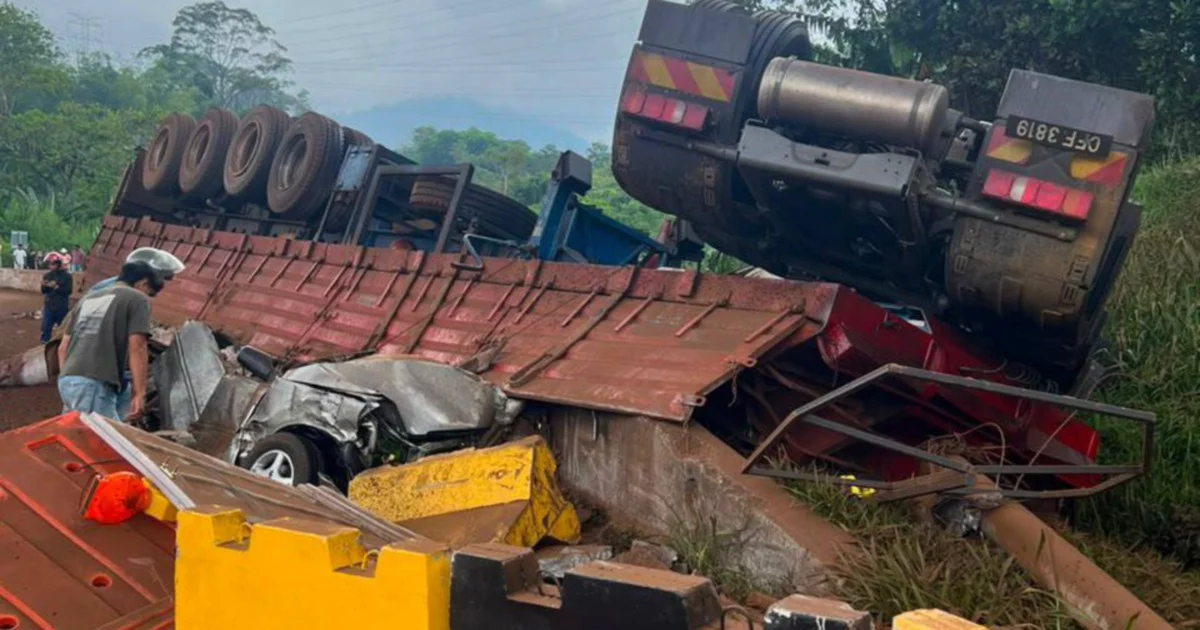
The driver of a trailer involved in a catastrophic collision near Bentong has been freed on police bail while investigations continue into the circumstances surrounding the deadly crash on the Karak Expressway on June 14. The incident, which claimed the lives of four individuals, marks one of the region's more tragic road accidents in recent months and has renewed scrutiny into heavy vehicle safety practices on Malaysia's major expressway corridors.
The release of the driver on bail by police in Pekan represents a standard procedural step in the investigation process, allowing authorities to pursue their inquiries while the suspect remains available for further questioning. This approach is typical in road traffic fatality cases where evidence collection and witness statements must be comprehensively gathered before prosecutors can make informed decisions regarding charges. The bail conditions will likely restrict the driver's movements and require regular reporting to the authorities.
The June 14 incident underscores persistent concerns about safety on the Karak Expressway, a crucial arterial route linking the Klang Valley with the east coast that handles substantial daily traffic volumes. Fatal collisions involving heavy vehicles on this stretch have occurred with alarming frequency, suggesting that systemic issues ranging from driver fatigue to vehicle maintenance may warrant closer examination. The four fatalities represent a significant loss, highlighting the devastating consequences when incidents involve large commercial vehicles.
Investigations into such incidents typically examine multiple factors including the trailer driver's operational history, vehicle maintenance records, road conditions at the time of collision, and whether speed or mechanical failure contributed to the accident. Toxicology tests are routinely conducted to determine if substances affected the driver's judgment, whilst dashcam footage and witness accounts provide crucial reconstructive evidence. The complexity of these investigations means that several weeks or months may elapse before the full picture emerges.
The bail release does not constitute an admission of guilt and reflects Malaysia's legal principle that individuals remain innocent until proven otherwise. However, the decision by police to release the driver suggests they have sufficient preliminary evidence to pursue the matter through the courts, whilst allowing the investigation to proceed without detention. This balance between ensuring public safety and protecting the suspect's rights is a critical consideration in serious traffic offences.
For Malaysian motorists and transport operators, this incident reinforces the critical importance of adhering to safety regulations on expressways. Heavy vehicle operators face mounting pressure to maintain rigorous maintenance schedules, ensure drivers receive adequate rest periods, and comply with speed restrictions. The Ministry of Transport and the Road Transport Department have periodically launched enforcement campaigns targeting commercial vehicles, yet road accidents continue to cause preventable deaths.
The Karak Expressway's role as a vital commercial corridor means that hundreds of heavy vehicles traverse it daily, carrying goods between Peninsular Malaysia's western and eastern regions. This traffic concentration, combined with challenging terrain and weather conditions, creates an inherently higher-risk environment than urban expressways. The cumulative effect of driver fatigue, mechanical failures, and occasional negligence has transformed stretches of the Karak into accident hotspots that emergency services know all too well.
Beyond the immediate investigation, this tragedy raises questions about whether current regulatory frameworks adequately protect expressway users. Enhanced vehicle inspection protocols, mandatory driver rest facilities, and stricter speed monitoring through automated systems have been proposed by road safety advocates. Some neighbouring countries have implemented graduated licensing systems for heavy vehicle drivers that include mandatory fatigue management training, a measure that Malaysia might consider adopting.
The families of the four deceased individuals now face the difficult road ahead, grieving their loss whilst potentially seeking accountability through civil litigation or participation in the criminal justice process. Victim compensation schemes, whilst helpful, cannot restore what has been lost. Their experiences underscore the human cost of road accidents, which extends far beyond statistics and regulatory discussions.
As police conclude their investigation and the prosecutor's office evaluates potential charges, the case will likely proceed through Malaysia's courts, where the nature and severity of charges will depend on evidence gathered. Whether the outcome involves negligence charges, dangerous driving convictions, or other applicable offences under the Penal Code and Road Transport Act remains to be determined. This process typically takes considerable time, reflecting the thoroughness required in serious cases.
The incident also highlights the critical role that accident investigation units play in Malaysia's criminal justice system. These specialised teams must balance swift action with meticulous evidence collection, ensuring that conclusions are defensible in court rather than based on preliminary assumptions. Their work, though often unseen by the public, directly influences whether justice is ultimately served.