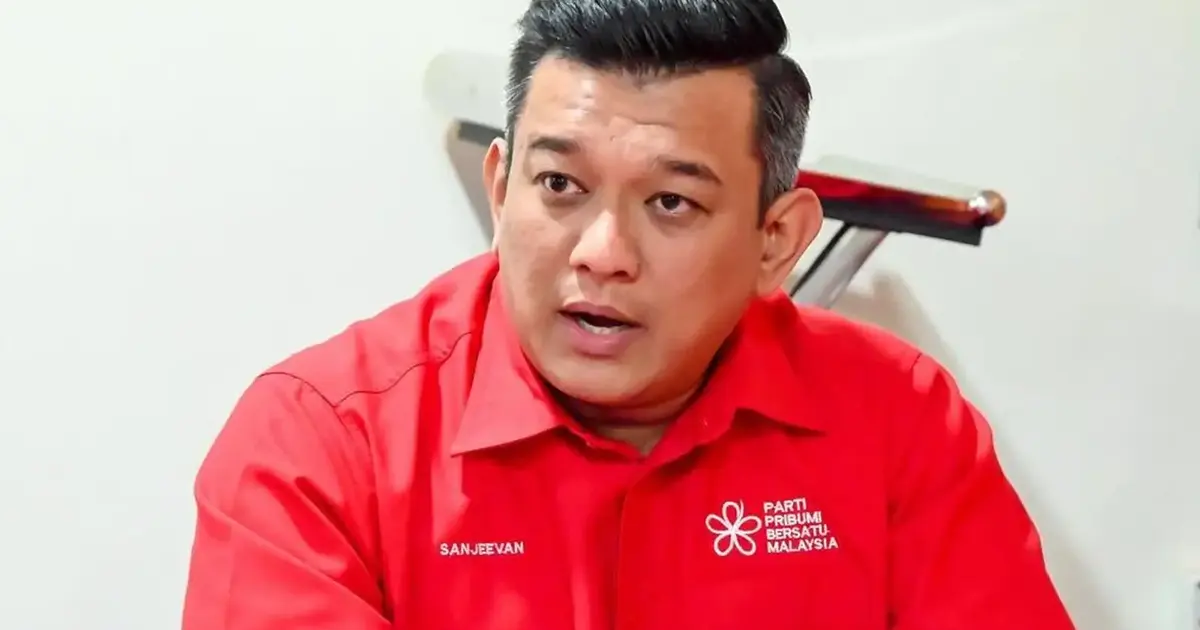
Bersatu is attempting to steady its rank-and-file as the party navigates internal turbulence sparked by escalating friction within the Perikatan Nasional coalition. The reassurance campaign comes as the party grapples with the fallout from removing two senior figures—former International Trade and Industry Minister Azmin Ali and Health Minister Radzi Jidin—from significant coalition positions, a development rooted in deepening disagreements between Bersatu and its coalition ally PAS.
The removal of Azmin Ali and Radzi Jidin represents a significant recalibration within Perikatan Nasional's power structure, signalling that alliance tensions have reached a point where personnel changes are necessary to manage internal dynamics. Both men held prominent roles within the coalition framework, and their departure underscores how the partnership between Bersatu and PAS has become increasingly strained. For party members accustomed to seeing these figures in visible leadership positions, the changes risk creating uncertainty about the coalition's stability and direction.
The underlying tensions between Bersatu and PAS reflect deeper philosophical and strategic differences within Perikatan Nasional. The two parties, while aligned politically, have competing visions for governance priorities and coalition management. These divergences have festered beneath the surface for some time, but recent developments have brought them into sharper focus. The removal of Azmin Ali and Radzi Jidin appears designed to demonstrate that Bersatu's leadership is taking decisive action to manage these frictions, though whether such moves will resolve fundamental disagreements remains uncertain.
For Bersatu's grassroots members, the timing and nature of these changes present a credibility challenge. Party activists and supporters invest emotional capital in their leadership and expect stability in institutional roles. When prominent leaders are shuffled out of visible positions, it naturally raises questions about internal cohesion and whether the party's direction is being determined by principled strategy or reactive crisis management. The party's appeal to members to trust leadership is therefore an implicit acknowledgment that reassurance is needed.
The Malaysian political landscape has grown increasingly volatile since the last general election, with coalition arrangements frequently tested by personality clashes, ideological differences, and ambitions among senior figures. Perikatan Nasional, as a relatively newer coalition formation, lacks the institutional maturity of longer-established political arrangements and is therefore more vulnerable to rupture when tensions surface. The removal of Azmin Ali and Radzi Jidin may be an attempt to prevent minor disagreements from metastasising into coalition-breaking crises.
Bersatu's leadership appeal also occurs against a backdrop of national political uncertainty. The party's fortunes are intertwined with broader coalition dynamics at federal and state levels. If Perikatan Nasional appears fractious or poorly managed, it undermines the coalition's electoral prospects and governance credibility. Conversely, demonstrating effective internal management—even when that requires difficult personnel decisions—can signal strength and competence to both party members and the broader electorate.
The specific grievances between Bersatu and PAS regarding the roles held by Azmin Ali and Radzi Jidin have not been publicly detailed in exhaustive fashion, but the decision to remove them suggests that these tensions exceeded normal coalition disagreements. The ministerial portfolios involved—international trade and health—are significant in both economic and social policy terms. Their reassignment indicates that Perikatan Nasional's leadership determined that repositioning was necessary to prevent further deterioration.
For observers of Malaysian politics, the Bersatu-PAS dynamic within Perikatan Nasional warrants careful monitoring. Both parties command significant support in different constituencies and regions. If their relationship becomes untenable, the coalition's viability comes into question. Recent months have demonstrated that political alliances in Malaysia can fragment rapidly when tensions reach critical mass, as demonstrated by various coalition rearrangements over the past five years.
Bersatu's call for membership confidence also reflects a broader pattern in Malaysian politics where party leaders seek to maintain morale during periods of institutional stress. The party presumably intends the reassurance to be taken as a signal that leadership has matters under control and that recent changes, while significant, represent strategic recalibration rather than dysfunction. However, the effectiveness of such appeals depends heavily on whether tangible developments subsequently validate leadership's confidence in its own direction.
Looking forward, the critical question is whether the removal of Azmin Ali and Radzi Jidin genuinely resolves the underlying tensions with PAS or merely provides a temporary respite. Coalition politics in Malaysia has repeatedly shown that personnel changes alone rarely address fundamental structural or ideological incompatibilities. If the grievances between Bersatu and PAS run deeper than individual personalities or ministerial assignments, further adjustments may be inevitable. Meanwhile, Bersatu members and supporters will be watching closely to assess whether their party's leadership can stabilise the coalition and maintain its relevance within the broader political framework.

%22%2F%3E%3C%2Fpattern%3E%3C%2Fdefs%3E%3Crect%20width%3D%22100%25%22%20height%3D%22100%25%22%20fill%3D%22url(%23ph2hy9vg)%22%2F%3E%3Crect%20width%3D%22100%25%22%20height%3D%22100%25%22%20fill%3D%22url(%23ph2hy9vp)%22%2F%3E%3Ctext%20x%3D%2250%25%22%20y%3D%2250%25%22%20text-anchor%3D%22middle%22%20dominant-baseline%3D%22central%22%20fill%3D%22rgba(255%2C255%2C255%2C0.95)%22%20font-family%3D%22Georgia%2C%20'Times%20New%20Roman'%2C%20serif%22%20font-weight%3D%22700%22%20font-size%3D%22272%22%20letter-spacing%3D%22-0.02em%22%3EAnwar%3C%2Ftext%3E%3C%2Fsvg%3E)