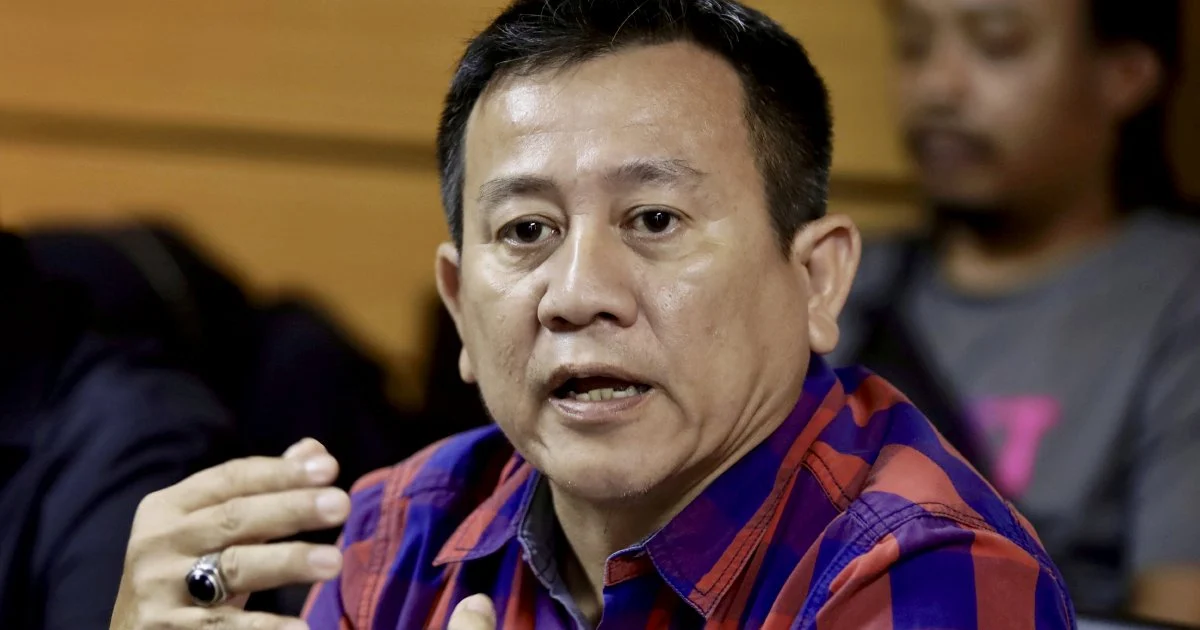
The ongoing tensions within Malaysia's opposition coalition deepened this week as Bersatu's information chief Datuk Tun Faisal Ismail Aziz made an unusually direct appeal for PAS to reconsider its membership in Perikatan Nasional. His statement represents a significant escalation in the strain between two key components of the political bloc that has been competing for electoral influence against the ruling government and its allies.
Tun Faisal's intervention signals growing frustration within Bersatu over the direction of the three-party alliance, which has served as the primary opposition formation since its inception. The remarks underscore deepening ideological and strategic differences that have increasingly surfaced in public discourse, moving beyond the closed-door negotiations that typically characterise coalition management in Malaysian politics.
The Bersatu information chief did not advocate for PAS's dissolution from politics entirely, but rather presented what he framed as two viable alternatives for the Islamist party. His suggestion that PAS either operate independently or seek out new coalition partners implies that current arrangements no longer serve the party's interests—a pointed critique of the existing partnership structure. This framing carries significant weight given Bersatu's own central role in establishing and maintaining the PN framework.
PAS has historically occupied a complex position within Malaysia's political landscape, commanding substantial grassroots support particularly in the northern and eastern regions while simultaneously facing pressure to justify its coalition choices to constituents. The party has navigated multiple political realignments over the past decade, from collaborations with UMNO to its current PN affiliation, making questions about political partnerships particularly sensitive within its organisational hierarchy.
The practical implications of a PAS departure would dramatically reshape Malaysia's opposition terrain. The party brings electoral machinery and voter mobilisation capabilities that have proven valuable in specific geographic constituencies, particularly in states such as Kelantan and Terengganu where its organisational presence remains deeply entrenched. Any fracturing of the existing coalition would likely benefit competing political formations, most notably the Pakatan Harapan alliance, which has been working to consolidate its position as the primary democratic alternative.
Tun Faisal's public statement also reflects Bersatu's own strategic vulnerabilities within the current arrangement. As the smaller component of the PN structure compared to established players, Bersatu may be concerned about being overshadowed in negotiations or policy decisions. By proactively suggesting reformation of the coalition, party leadership appears to be positioning itself as the architect of any future political realignment rather than a participant subject to decisions made by larger partners.
The timing of this intervention is particularly significant given the ongoing electoral calendar and the mounting pressure on opposition movements to present coherent, unified messaging to Malaysian voters. Coalition instability typically translates into reduced effectiveness at the ballot box, as voters express preference for political arrangements that appear stable and decisive. Tun Faisal's comments introduce additional uncertainty into calculations already complicated by recent electoral performance and internal party dynamics.
From a regional perspective, Malaysian coalition politics increasingly resembles broader Southeast Asian patterns where opposition movements struggle with cohesion and sustainability. The inability of diverse political parties to maintain stable alliances has hampered electoral prospects in neighbouring democracies, suggesting that the challenges facing PN extend beyond local party rivalries to structural questions about how ideologically varied movements can function together over extended periods.
The immediate response from PAS and other PN stakeholders will prove crucial in determining whether Tun Faisal's remarks represent a genuine strategic shift or tactical positioning ahead of internal coalition discussions. Party reactions will signal whether this statement opens negotiation channels or hardens existing divisions, with implications for government formation prospects and opposition effectiveness across multiple electoral cycles.
For Malaysian voters attempting to assess the stability and viability of opposition options, such public statements undermine confidence in the durability of political arrangements. Coalition governance requires careful management of competing interests and demands, with disputes typically resolved through private channels before reaching public discussion. The emergence of such fundamental questions about PN's basic structure in media reports suggests negotiation mechanisms may be breaking down.
These developments also invite scrutiny regarding the broader strategic direction of opposition politics in Malaysia. Whether the focus should remain on building consensus within existing coalitions or permitting organisational realignment based on ideological and strategic alignment continues generating debate among political observers. Tun Faisal's intervention essentially reopens this fundamental question about optimal opposition configuration.
The coming weeks will likely clarify whether this statement presages formal coalition restructuring or represents a negotiating position within ongoing internal discussions. Party leaders across the spectrum will need to assess whether current arrangements can be reformed to address underlying grievances or whether institutional frameworks require more substantial redesign to accommodate divergent political objectives and grassroots expectations.


%22%2F%3E%3C%2Fpattern%3E%3C%2Fdefs%3E%3Crect%20width%3D%22100%25%22%20height%3D%22100%25%22%20fill%3D%22url(%23ph2hy9vg)%22%2F%3E%3Crect%20width%3D%22100%25%22%20height%3D%22100%25%22%20fill%3D%22url(%23ph2hy9vp)%22%2F%3E%3Ctext%20x%3D%2250%25%22%20y%3D%2250%25%22%20text-anchor%3D%22middle%22%20dominant-baseline%3D%22central%22%20fill%3D%22rgba(255%2C255%2C255%2C0.95)%22%20font-family%3D%22Georgia%2C%20'Times%20New%20Roman'%2C%20serif%22%20font-weight%3D%22700%22%20font-size%3D%22272%22%20letter-spacing%3D%22-0.02em%22%3EAnwar%3C%2Ftext%3E%3C%2Fsvg%3E)