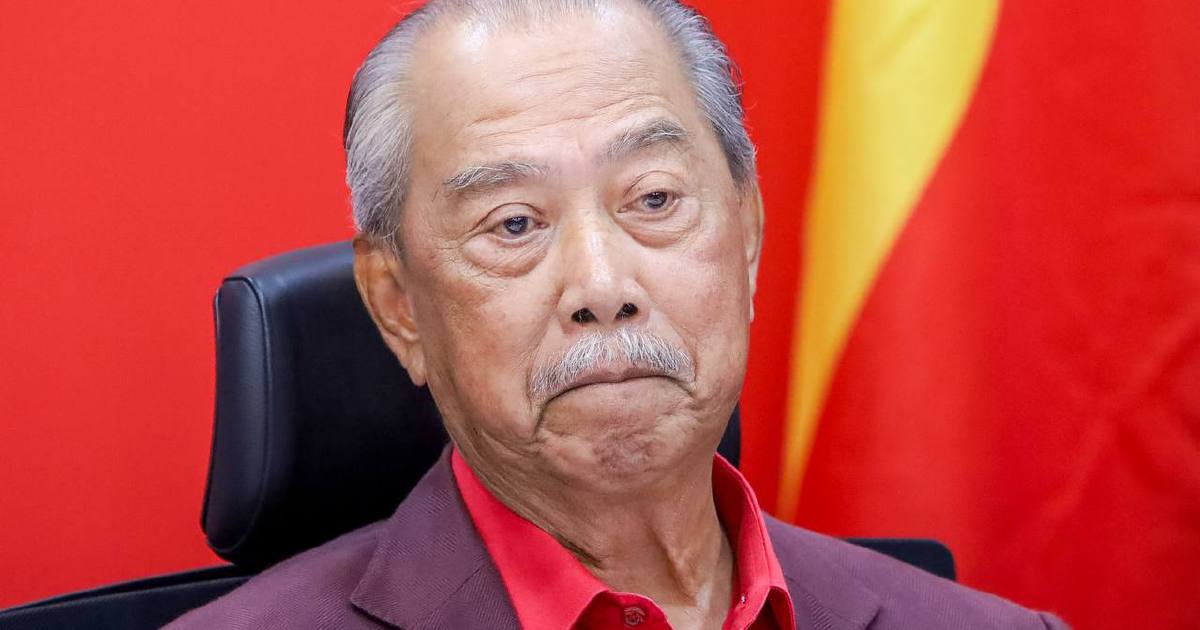
Parti Pribumi Bersatu Malaysia (Bersatu) has reaffirmed its commitment to the Perikatan Nasional (PN) coalition, with party president Tan Sri Muhyiddin Yassin announcing that the party will field candidates under the coalition's unified banner in the upcoming Johor and Negri Sembilan state elections. The declaration underscores Bersatu's strategic decision to anchor itself within the broader opposition alliance rather than pursue an independent electoral path, signalling stability within PN's coalition structure at a critical juncture for Malaysian politics.
Bersatu's continued presence in PN carries considerable implications for the opposition's organizational coherence. The party, which once served as the dominant component of the federal government under Muhyiddin's premiership from March 2020 to August 2021, has undergone significant internal realignment following its coalition with PAS and other parties that collectively formed PN. By choosing to contest under the coalition logo rather than its own party symbol, Bersatu acknowledges the electoral mathematics that PN has pursued—pooling resources, avoiding multi-cornered fights, and projecting a unified front against the ruling Pakatan Harapan administration.
The Johor and Negri Sembilan elections represent pivotal contests in Malaysia's evolving political landscape. Johor, long regarded as a federal stronghold under Barisan Nasional governance, has become increasingly competitive territory where PN has made strategic inroads in recent years. Negri Sembilan, a smaller but symbolically important state with historically strong Barisan influence, presents another battleground where coalition branding could influence voter perception and party positioning. Muhyiddin's pronouncement effectively signals that PN intends to mount serious challenges in both states using coordinated campaign machinery.
The decision to remain unified under a single coalition symbol rather than allowing constituent parties autonomy over their branding represents a tactical choice with deeper organizational implications. Such discipline within opposition coalitions has historically proven difficult to maintain, particularly when ambitious party leaders seek to maximize their own party's visibility and electoral gains. Bersatu's acquiescence suggests either strong internal agreement on coalition strategy or the effective exercise of leadership authority—both factors that could determine PN's competitive capacity in these elections.
Historically, Malaysian coalitions have fractured when member parties perceive unequal benefits from cooperative arrangements. The fact that Bersatu, a party with genuine organizational presence and historical legitimacy as a former government component, agrees to subsume its identity within PN branding indicates either confidence in the coalition's electoral viability or pragmatic recognition that independent contestation would dilute opposition impact. This signals a maturation in opposition coalition-building compared to earlier phases of Malaysian politics where ego and factional rivalries frequently undermined unified electoral efforts.
Muhyiddin's statement arrives amid broader PN consolidation efforts across Malaysia's political landscape. The coalition has been actively expanding its reach beyond its traditional strongholds in several states, and decisive performances in Johor and Negri Sembilan could substantially reshape the national political balance. Electoral victories in these states would demonstrate PN's capacity to challenge ruling coalition dominance in traditionally Barisan-controlled territories, potentially encouraging defections among fence-sitting politicians and strengthening the opposition's credibility as a government-in-waiting alternative.
For Malaysian voters, particularly in Johor and Negri Sembilan, the unified PN branding implies a consolidated campaign infrastructure where party members, resources, and messaging are coordinated through central coalition direction rather than dispersed across competing party interests. This could theoretically improve campaign efficiency and message discipline, though it also means individual parties lose the opportunity to differentiate themselves or appeal to niche constituencies through distinctive platforms. The trade-off between unity and autonomy remains a persistent tension in Malaysian coalition politics.
Bersatu's strategic positioning within PN also reflects calculations regarding its relevance in contemporary Malaysian politics. As a newer party without the deep organizational roots of Umno or the religious constituencies of PAS, Bersatu's survival depends substantially on coalition arrangements that afford it electoral platforms and parliamentary representation. By demonstrating loyalty to PN's coalition framework and accepting the coalition logo, Bersatu strengthens its negotiating position for candidate allocations, ministerial portfolios in the event of electoral success, and influence over coalition policy direction—tangible benefits that justify the sublimation of party-specific branding.
The broader context of state elections in Malaysia reveals recurring patterns in coalition competition and voter realignment. Both ruling and opposition coalitions continuously recalibrate strategies, test new political combinations, and assess electoral viability across different demographic and geographic constituencies. Johor and Negri Sembilan, as test cases, will provide crucial data regarding voter receptiveness to opposition messaging, the effectiveness of coalition branding versus party-specific appeals, and the sustainability of PN's organizational framework beyond its PAS-Bersatu core.
Muhyiddin's announcement ultimately represents a calculated wager that PN's electoral prospects improve through disciplined coalition presentation rather than competitive differentiation among constituent parties. Whether this strategy yields electoral success in Johor and Negri Sembilan will substantially influence the trajectory of Malaysian opposition politics and the viability of multi-party coalitions as effective governmental alternatives. The coming elections will test whether Malaysian voters reward unified opposition presentation or respond more readily to individual party identities and platforms.

%22%2F%3E%3C%2Fpattern%3E%3C%2Fdefs%3E%3Crect%20width%3D%22100%25%22%20height%3D%22100%25%22%20fill%3D%22url(%23ph2hy9vg)%22%2F%3E%3Crect%20width%3D%22100%25%22%20height%3D%22100%25%22%20fill%3D%22url(%23ph2hy9vp)%22%2F%3E%3Ctext%20x%3D%2250%25%22%20y%3D%2250%25%22%20text-anchor%3D%22middle%22%20dominant-baseline%3D%22central%22%20fill%3D%22rgba(255%2C255%2C255%2C0.95)%22%20font-family%3D%22Georgia%2C%20'Times%20New%20Roman'%2C%20serif%22%20font-weight%3D%22700%22%20font-size%3D%22272%22%20letter-spacing%3D%22-0.02em%22%3EAnwar%3C%2Ftext%3E%3C%2Fsvg%3E)