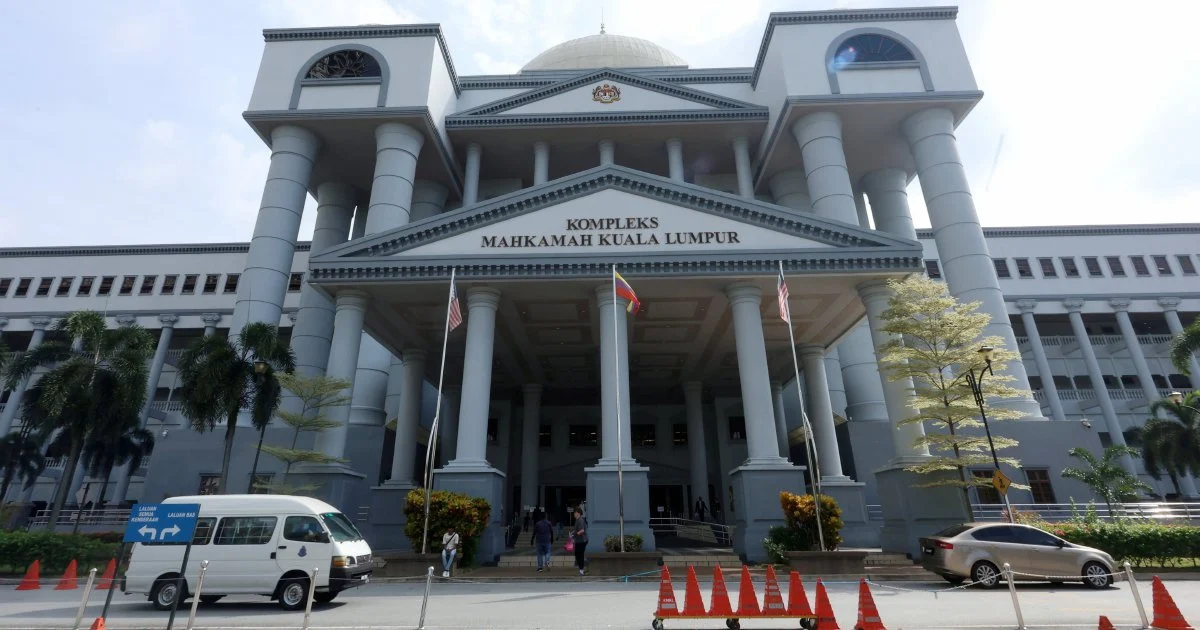
Malaysia's anti-corruption authorities have escalated enforcement action against senior public sector leaders, with the chief executive officer of a statutory body expected to enter pleas on seven corruption charges at the Sessions Court. The charges centre on allegations that the official solicited and accepted bribes totalling more than RM1 million, raising fresh concerns about governance lapses within government-linked institutions responsible for national sports infrastructure.
The prosecution's move underscores the continuing vulnerability of large public sector entities to graft despite heightened oversight mechanisms. Statutory bodies, which operate with significant autonomy yet depend on government funding and policy directives, have historically been flashpoints for corruption investigations. These organisations often manage substantial capital expenditure on behalf of the state, making them attractive targets for individuals seeking to exploit procurement processes and contract awards.
The scale of the alleged bribery—exceeding RM1 million—suggests a systematic rather than opportunistic pattern of misconduct. Such cases typically involve multiple transactions spanning months or years, with perpetrators leveraging their authority to channel contracts to preferred vendors in exchange for kickbacks. For sports facility projects specifically, the involvement of architectural firms, construction companies, and equipment suppliers creates numerous touch points where corrupt intermediaries can insert themselves into the supply chain.
For Malaysian readers and regional observers, this case carries particular significance given the sector's public prominence. Sports facilities serve as visible symbols of government investment in community wellbeing and national athletic development. When those responsible for managing such projects are accused of embezzling public resources through corrupt means, it strikes at both institutional credibility and the legitimacy of public spending in this domain. The implications extend beyond the individual defendant to questions about oversight of similar institutions across Malaysia's statutory body ecosystem.
The Sessions Court proceedings will likely illuminate how the misconduct was detected and documented. Malaysian anti-corruption bodies have progressively improved their capacity to construct evidence-based cases through forensic accounting, digital records analysis, and witness testimony. The seven separate charges suggest prosecutors have compartmentalised distinct instances of alleged bribery rather than treating them as one continuous offence, a strategy that strengthens their case by demonstrating repeated rather than isolated behaviour.
Statutory bodies in Malaysia operate across diverse sectors including utilities, transportation, healthcare, and sports. Many command budgets rivalling small country economies. The governance frameworks nominally in place—audit committees, internal controls, external audits—should theoretically prevent systemic graft at senior levels. Yet when a chief executive succeeds in allegedly soliciting bribes worth millions, it points to either structural weaknesses in those safeguards or deliberate circumvention through leverage of authority and trust. Understanding which applies carries consequences for how other statutory bodies should calibrate their control systems.
The timing of such prosecutions also merits consideration. Malaysia has experienced cyclical waves of anti-corruption activity, with intensity varying according to political leadership and enforcement agency priorities. Cases prosecuted today reflect investigations initiated months or years earlier, meaning they represent institutional memory of past rather than current standards. Nevertheless, they serve as ongoing deterrents to current office-holders aware that high-profile prosecutions of predecessors remain fresh in institutional consciousness.
Regionally, Malaysia's approach to tackling senior public sector corruption attracts scrutiny from neighbouring governments and international transparency advocates. Cases demonstrating that even chief executives of significant statutory bodies face criminal prosecution illustrate a degree of institutional independence in the judiciary and investigating authorities. However, critics note that high-profile prosecutions—while symbolically important—may not address systemic vulnerabilities if underlying structural reforms remain incomplete or inconsistently implemented.
The defence strategy employed in this case will also prove instructive. Senior executives often claim ignorance of subordinates' actions or argue that alleged payments were legitimate consulting fees or contractual obligations. If the prosecutor's evidence includes communications directly linking the CEO to bribery solicitation, conviction becomes more probable. Conversely, if the chain of evidence relies heavily on circumstantial indicators or third-party testimony, reasonable doubt may complicate the courts' verdict.
For Malaysia's civil service and statutory body leadership more broadly, this prosecution carries implicit messaging about institutional expectations. A CEO's conviction would reinforce that no position confers immunity from accountability, provided investigators and prosecutors marshal sufficient evidence. Conversely, an acquittal would signal that the evidentiary threshold for conviction in complex corruption cases remains genuinely demanding, a message affecting future prosecution decisions by anti-corruption authorities.
The conclusion of these proceedings, whenever it arrives, will inform broader policy discussions about statutory body governance. Recommendations may include enhanced financial controls, whistleblower protection mechanisms, or rotational leadership terms designed to disrupt long-standing corrupt networks. Such institutional reforms, if implemented, could gradually improve governance quality across Malaysia's extensive portfolio of government-linked entities, ultimately benefiting the public interest these organisations nominally serve.


%22%2F%3E%3C%2Fpattern%3E%3C%2Fdefs%3E%3Crect%20width%3D%22100%25%22%20height%3D%22100%25%22%20fill%3D%22url(%23ph2hy9vg)%22%2F%3E%3Crect%20width%3D%22100%25%22%20height%3D%22100%25%22%20fill%3D%22url(%23ph2hy9vp)%22%2F%3E%3Ctext%20x%3D%2250%25%22%20y%3D%2250%25%22%20text-anchor%3D%22middle%22%20dominant-baseline%3D%22central%22%20fill%3D%22rgba(255%2C255%2C255%2C0.95)%22%20font-family%3D%22Georgia%2C%20'Times%20New%20Roman'%2C%20serif%22%20font-weight%3D%22700%22%20font-size%3D%22272%22%20letter-spacing%3D%22-0.02em%22%3EAnwar%3C%2Ftext%3E%3C%2Fsvg%3E)