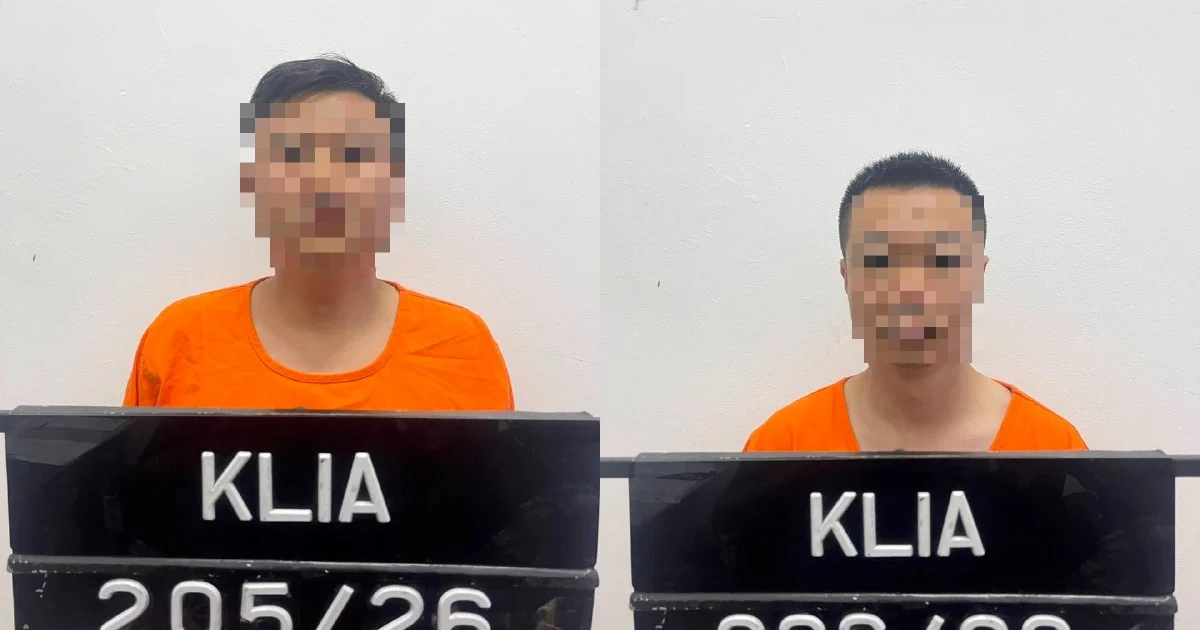
Authorities in Sepang have secured a four-day remand order for two Chinese nationals suspected of attempting to steal from passengers aboard an international flight heading to Kuala Lumpur International Airport from Dili, Timor-Leste. The pair are assisting investigators as police work to establish the circumstances and motives surrounding the alleged mid-air crime.
The incident marks a notable case of in-flight misconduct at one of Southeast Asia's busiest aviation hubs, raising fresh concerns about security protocols on regional flights. Authorities did not immediately disclose the identities of the two suspects or provide details about what items were allegedly targeted during the suspected theft attempt.
Mid-air thefts and related crimes have drawn increasing scrutiny from aviation authorities across the region as international travel volumes continue to surge. Such incidents pose challenges for cabin crew and security personnel operating at altitude, where response options are necessarily limited compared to ground-based law enforcement interventions. The confined nature of an aircraft cabin creates unique investigative circumstances that require specialized police expertise.
The flight route between Dili and Kuala Lumpur represents an important air corridor connecting Timor-Leste with Malaysia and broader Southeast Asian markets. This particular incident underscores vulnerabilities that can emerge during cross-border travel, particularly on regional carriers and routes that may not benefit from the enhanced security measures typically applied to longer-haul international flights to major Western destinations.
Police remand procedures in Malaysia allow officers to detain suspects for questioning while building their case files. The four-day remand duration suggests investigators believe they require additional time to gather witness statements from fellow passengers and crew members, review any available footage from aircraft security systems, and establish a detailed timeline of events during the flight.
Foreign national involvement in such cases can complicate investigations due to jurisdictional questions, language barriers, and potential diplomatic considerations. Malaysian authorities will likely coordinate with Chinese representatives and potentially with Timorese authorities given that the flight originated from Dili.
The alleged offense occurs against a broader backdrop of evolving aviation security challenges in Southeast Asia. While sophisticated screening processes operate at airport terminals, maintaining order and preventing crime once aircraft are airborne remains an ongoing challenge for airlines and aviation authorities across the region.
Cabin crew members are typically trained to handle disruptive passengers and minor security incidents, but their capacity to investigate or prevent organized theft remains limited. The presence of law enforcement liaison officers on some international flights provides additional security, though this practice varies by carrier and route.
This case may prompt renewed discussions among Malaysian carriers and aviation authorities about enhancing in-flight security measures, including improved surveillance systems, additional staff training, and enhanced coordination with ground-based law enforcement. Regional aviation bodies may also consider whether existing protocols require strengthening across member nations.
The investigation's progression will likely shed light on whether the alleged theft was opportunistic or premeditated, with implications for how airlines and authorities assess risk on particular routes and during specific flight schedules. Passengers and industry observers will watch closely for any patterns that might suggest organized criminal activity targeting air travelers in the region.
Once the four-day remand period concludes, investigators must decide whether to request extension, proceed with formal charges, or explore other investigative avenues. The outcome of this case could influence how Malaysian law enforcement approaches future aviation-related crimes and shape policy discussions among regional aviation authorities seeking to maintain passenger safety and security standards on busy air routes serving multiple countries.


%22%2F%3E%3C%2Fpattern%3E%3C%2Fdefs%3E%3Crect%20width%3D%22100%25%22%20height%3D%22100%25%22%20fill%3D%22url(%23ph2hy9vg)%22%2F%3E%3Crect%20width%3D%22100%25%22%20height%3D%22100%25%22%20fill%3D%22url(%23ph2hy9vp)%22%2F%3E%3Ctext%20x%3D%2250%25%22%20y%3D%2250%25%22%20text-anchor%3D%22middle%22%20dominant-baseline%3D%22central%22%20fill%3D%22rgba(255%2C255%2C255%2C0.95)%22%20font-family%3D%22Georgia%2C%20'Times%20New%20Roman'%2C%20serif%22%20font-weight%3D%22700%22%20font-size%3D%22272%22%20letter-spacing%3D%22-0.02em%22%3EAnwar%3C%2Ftext%3E%3C%2Fsvg%3E)