%22%2F%3E%3C%2Fpattern%3E%3C%2Fdefs%3E%3Crect%20width%3D%22100%25%22%20height%3D%22100%25%22%20fill%3D%22url(%23ph59ej5g)%22%2F%3E%3Crect%20width%3D%22100%25%22%20height%3D%22100%25%22%20fill%3D%22url(%23ph59ej5p)%22%2F%3E%3Ctext%20x%3D%2250%25%22%20y%3D%2250%25%22%20text-anchor%3D%22middle%22%20dominant-baseline%3D%22central%22%20fill%3D%22rgba(255%2C255%2C255%2C0.95)%22%20font-family%3D%22Georgia%2C%20'Times%20New%20Roman'%2C%20serif%22%20font-weight%3D%22700%22%20font-size%3D%22272%22%20letter-spacing%3D%22-0.02em%22%3ECourt%3C%2Ftext%3E%3C%2Fsvg%3E)
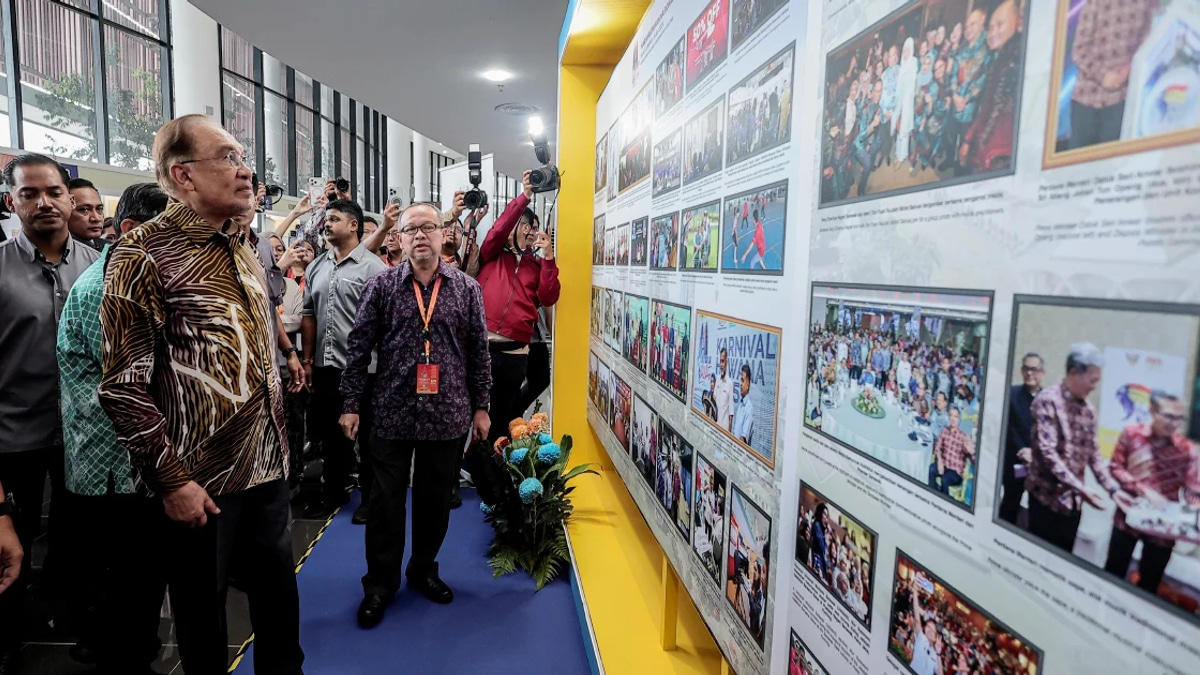
The Kuala Lumpur High Court has rescinded a subpoena that would have compelled Prime Minister Datuk Seri Anwar Ibrahim to provide testimony in a RM30 million civil dispute involving a businessman and his spouse. The judicial decision, delivered in the nation's commercial capital, represents a significant ruling on the balance between civil litigation requirements and the constitutional protections afforded to the head of government.
The case itself centres on a financial disagreement between parties, with the civil claim valued at RM30 million. The plaintiffs had sought to compel Anwar's attendance as a witness, believing his testimony would be material to resolving disputed facts underpinning their case. Such subpoenas are ordinarily routine mechanisms in civil litigation, designed to ensure that individuals with relevant knowledge contribute to the fact-finding process.
However, the High Court determined that issuing the subpoena raised constitutional complications that outweighed the ordinary requirements of civil procedure. The court's reasoning hinged on the principle of executive immunity and the special legal status that attaches to sitting heads of government under Malaysian constitutional law. This immunity protects the Prime Minister from being compelled to attend court in civil matters, a doctrine that stems from the need to preserve uninterrupted executive function and the separation of powers.
The concept of executive immunity, while sometimes controversial, reflects a longstanding principle in Commonwealth legal systems. The underlying rationale is that a sitting Prime Minister cannot be effectively detained in court proceedings without compromising the nation's governance and the ability to execute critical state functions. Malaysia's courts have historically recognised this principle while simultaneously maintaining that the judiciary remains independent and that the rule of law applies throughout society.
This particular judgment carries implications for future civil litigation involving senior government officials. While the decision protects the Prime Minister's time and constitutional position, it simultaneously creates a potential gap in evidence gathering for civil claimants who believe such officials possess material information. Legal observers have noted that the ruling does not eliminate all possibilities for obtaining relevant testimony; the court may still permit written testimony or other alternative evidence-gathering mechanisms that do not require the Prime Minister's physical attendance.
The businessman and his wife at the centre of the dispute now face the challenge of proceeding with their RM30 million claim without direct testimony from the individual they identified as crucial to their case. This scenario illustrates the practical tension that sometimes emerges when constitutional protections for office holders intersect with private parties' rights to pursue civil remedies. Malaysian jurisprudence continues to evolve in balancing these competing interests.
From a governance perspective, the High Court's decision underscores the importance of maintaining clear boundaries around executive function. A Prime Minister who could be regularly summoned to testify in civil disputes would face constant interruptions to their official duties. The court presumably considered whether alternative mechanisms could satisfy the legitimate needs of civil litigation while respecting constitutional constraints on the executive branch.
The ruling also reflects broader considerations about the separation of powers in the Malaysian system. The courts must enforce civil law and ensure access to justice, yet simultaneously they must respect constitutional provisions that allocate specific protections to holders of high office. This judgment suggests the court has prioritised those constitutional protections, though with possible openness to alternative evidence-gathering approaches.
For Malaysian legal practitioners and civil litigants, the decision provides guidance on the limits of subpoena power when applied to serving Prime Ministers. Those bringing civil claims involving senior government figures may need to adapt their litigation strategies, potentially relying more heavily on documentary evidence, testimony from other witnesses with relevant knowledge, or formal written statements that do not require court attendance.
The case arrives amid broader discussions in Malaysian governance about accountability and the rule of law. While executive immunity protects the Prime Minister from civil court attendance, Malaysia maintains numerous other accountability mechanisms, including parliamentary oversight, anti-corruption investigations, and the general applicability of criminal law to all citizens regardless of rank. The constitutional protections at issue in this case are confined to civil litigation attendance requirements.
Regionally, the decision reflects legal principles that operate across Commonwealth jurisdictions, where courts have similarly grappled with balancing civil justice access against executive immunity. This judgment contributes to the ongoing evolution of how courts in the region apply traditional constitutional doctrine to contemporary litigation scenarios.
The High Court's action to set aside the subpoena, while protecting the Prime Minister's constitutional status and time, leaves the underlying civil dispute to proceed through other available evidentiary channels. The court has indicated, through its reasoning, that the protection is procedural rather than substantive—the Prime Minister's seat in the case is not invalidated, merely the mechanism of compulsory testimony. This distinction may prove significant as the litigation continues and alternative evidence-gathering methods are explored by the parties involved.

%22%2F%3E%3C%2Fpattern%3E%3C%2Fdefs%3E%3Crect%20width%3D%22100%25%22%20height%3D%22100%25%22%20fill%3D%22url(%23ph2hy9vg)%22%2F%3E%3Crect%20width%3D%22100%25%22%20height%3D%22100%25%22%20fill%3D%22url(%23ph2hy9vp)%22%2F%3E%3Ctext%20x%3D%2250%25%22%20y%3D%2250%25%22%20text-anchor%3D%22middle%22%20dominant-baseline%3D%22central%22%20fill%3D%22rgba(255%2C255%2C255%2C0.95)%22%20font-family%3D%22Georgia%2C%20'Times%20New%20Roman'%2C%20serif%22%20font-weight%3D%22700%22%20font-size%3D%22272%22%20letter-spacing%3D%22-0.02em%22%3EAnwar%3C%2Ftext%3E%3C%2Fsvg%3E)