%22%2F%3E%3C%2Fpattern%3E%3C%2Fdefs%3E%3Crect%20width%3D%22100%25%22%20height%3D%22100%25%22%20fill%3D%22url(%23phg6qg)%22%2F%3E%3Crect%20width%3D%22100%25%22%20height%3D%22100%25%22%20fill%3D%22url(%23phg6qp)%22%2F%3E%3Ctext%20x%3D%2250%25%22%20y%3D%2250%25%22%20text-anchor%3D%22middle%22%20dominant-baseline%3D%22central%22%20fill%3D%22rgba(255%2C255%2C255%2C0.95)%22%20font-family%3D%22Georgia%2C%20'Times%20New%20Roman'%2C%20serif%22%20font-weight%3D%22700%22%20font-size%3D%22320%22%20letter-spacing%3D%22-0.02em%22%3EDr%3C%2Ftext%3E%3C%2Fsvg%3E)
Datuk Seri Dr Wan Azizah Wan Ismail, president of Pergerakan Puteri Islam Malaysia (PPIM) and wife of the Prime Minister, joined participants of the National Level Nature Camp 2026 at the National Planetarium in Kuala Lumpur on June 20. The occasion marked the culmination of the three-day programme, which concluded with an educational visit to the planetarium as part of the camp's emphasis on science and astronomy engagement.
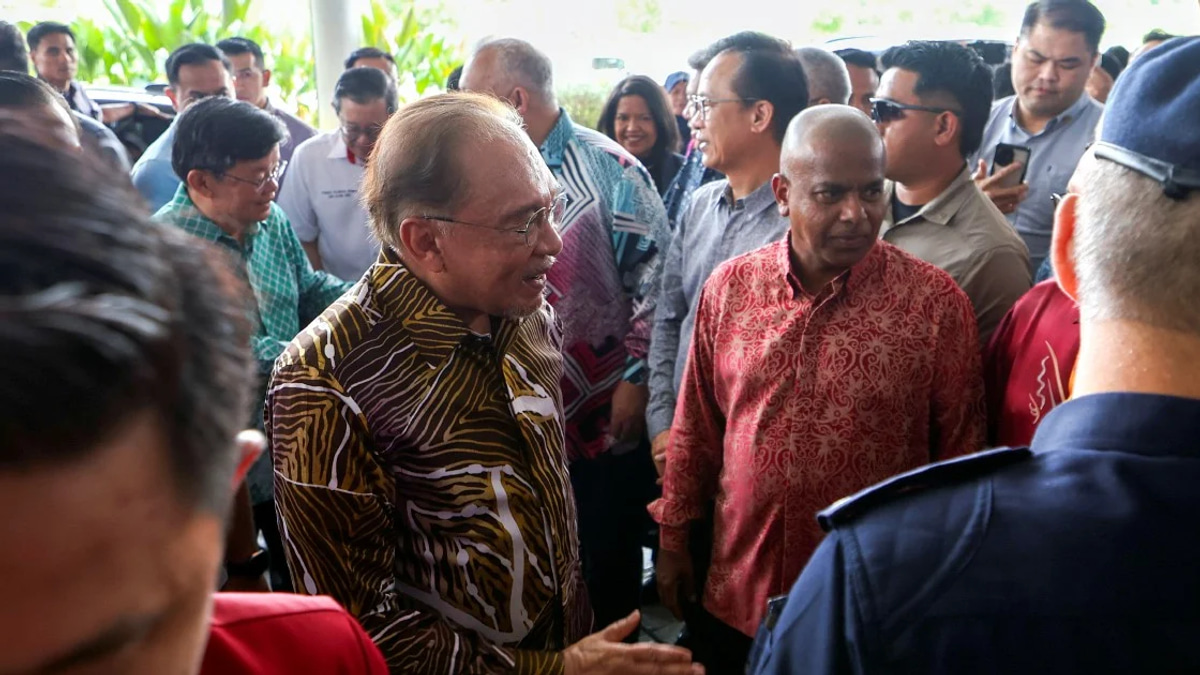
The gathering brought together close to 400 young participants who had spent the preceding days at Laman Puteri in Kompleks Darul Puteri along Jalan Cheras. Dr Wan Azizah arrived at the National Planetarium lobby at 1.17 pm, where she spent time interacting with the campers before formally signing the visitors' book. The event underscored the organization's commitment to youth development through structured outdoor and educational experiences.
Joining Dr Wan Azizah at the closing ceremony were several officials and leaders, including Datuk Ruziah Shafei, the Ministry of Science, Technology and Innovation's deputy secretary-general overseeing planning and science enculturation, PPIM honorary secretary Aizar Mohd Jaman, National Planetarium director Mohd Zamri Shah Mastor, and representatives from PPIM at both national and state levels. The convergence of government officials and organizational leadership highlighted the significance attached to the camp and the broader mission of developing character and skills among Malaysian youth.
The Nature Camp represents a flagship initiative within PPIM's programming calendar, held biennially to create immersive learning experiences. According to Aizar, this edition of the camp deliberately wove together three critical dimensions: environmental consciousness, Islamic teachings drawn from the Quran, and practical life skills. This integrated approach aims to foster a comprehensive sense of identity among participants, grounding them in spiritual values, environmental stewardship, and practical competencies needed for modern life.
The camp's curriculum directly aligns with PPIM's eight-pillar framework for youth development, which encompasses spirituality, practical skills, environmental awareness, camping and outdoor competency, organizational management and administration, health and wellness, and personal development. This holistic structure reflects a deliberate pedagogical philosophy that moves beyond single-dimensional youth programming, instead seeking to cultivate well-rounded individuals equipped to contribute meaningfully to society.
The choice of the National Planetarium as the venue for the closing ceremony served a dual purpose. Beyond providing a celebratory setting for participants to mark the completion of their camp experience, it underlined the educational commitment to expanding young people's horizons through exposure to science and astronomy. For many participants, particularly those from less urbanized areas, such visits offer invaluable opportunities to engage with scientific concepts and inspire curiosity about the natural universe.
PPIM's emphasis on biennial programming reflects strategic thinking about youth engagement cycles. Rather than annual repetition, the two-year interval allows for substantive program redesign, incorporation of lessons learned, and sufficient time for promotional outreach to ensure robust participation. This cadence also permits participants from previous years to mature and potentially assume mentoring or leadership roles in subsequent camps, creating a developmental pipeline within the organization.
The integration of environmental elements within the camp curriculum carries particular resonance for Malaysia, a nation confronting escalating environmental pressures from deforestation, pollution, and climate change. By instilling environmental consciousness early among youth and framing it within Islamic ethical frameworks—which emphasize stewardship of creation—programs like this contribute to building generational awareness and potential advocacy for sustainable practices. For young Muslims, such grounding in religious principles of environmental responsibility can prove more persuasive than secular appeals.
The presence of both federal officials and PPIM leaders at the closing ceremony signifies government recognition of the organization's role in shaping youth values and competencies. Such institutional visibility also signals to participants and their families that government takes youth development seriously, particularly within the Islamic organizational context. This partnership model between civil society and government remains important for addressing the multifaceted nature of youth development in Malaysia's pluralistic society.
For participants themselves, the camp experience extended beyond the structured activities to include interaction with senior leaders and officials. Such encounters can prove formative for young people, offering them glimpses of leadership trajectories and opportunities for networking with policy influencers. The informal mingling that characterized Dr Wan Azizah's visit, combined with the formal closing ceremony elements, balanced approachability with institutional gravitas.
The National Level Nature Camp 2026 exemplifies how Malaysian youth organizations continue adapting their programming to contemporary concerns. Rather than remaining static, PPIM has deliberately embedded environmental and life skills development into what remains fundamentally a camping experience. This responsiveness to evolving societal needs—combining tradition with contemporary relevance—speaks to the organization's capacity to remain pertinent for successive cohorts of young Malaysians.
Looking forward, such camps serve as incubation grounds for youth leadership and activism. Participants who engage meaningfully with environmental conservation, spiritual reflection, and practical skills development often carry these experiences forward into adulthood, potentially influencing their career choices, civic engagement, and family values. The multiplier effects of investing in youth through structured, values-based programming extend far beyond the immediate three-day experience, shaping the consciousness and commitments of future community leaders.
%22%2F%3E%3C%2Fpattern%3E%3C%2Fdefs%3E%3Crect%20width%3D%22100%25%22%20height%3D%22100%25%22%20fill%3D%22url(%23ph3tanfg)%22%2F%3E%3Crect%20width%3D%22100%25%22%20height%3D%22100%25%22%20fill%3D%22url(%23ph3tanfp)%22%2F%3E%3Ctext%20x%3D%2250%25%22%20y%3D%2250%25%22%20text-anchor%3D%22middle%22%20dominant-baseline%3D%22central%22%20fill%3D%22rgba(255%2C255%2C255%2C0.95)%22%20font-family%3D%22Georgia%2C%20'Times%20New%20Roman'%2C%20serif%22%20font-weight%3D%22700%22%20font-size%3D%22194%22%20letter-spacing%3D%22-0.02em%22%3EVeteran%3C%2Ftext%3E%3C%2Fsvg%3E)
%22%2F%3E%3C%2Fpattern%3E%3C%2Fdefs%3E%3Crect%20width%3D%22100%25%22%20height%3D%22100%25%22%20fill%3D%22url(%23ph529pwg)%22%2F%3E%3Crect%20width%3D%22100%25%22%20height%3D%22100%25%22%20fill%3D%22url(%23ph529pwp)%22%2F%3E%3Ctext%20x%3D%2250%25%22%20y%3D%2250%25%22%20text-anchor%3D%22middle%22%20dominant-baseline%3D%22central%22%20fill%3D%22rgba(255%2C255%2C255%2C0.95)%22%20font-family%3D%22Georgia%2C%20'Times%20New%20Roman'%2C%20serif%22%20font-weight%3D%22700%22%20font-size%3D%22320%22%20letter-spacing%3D%22-0.02em%22%3ENew%3C%2Ftext%3E%3C%2Fsvg%3E)