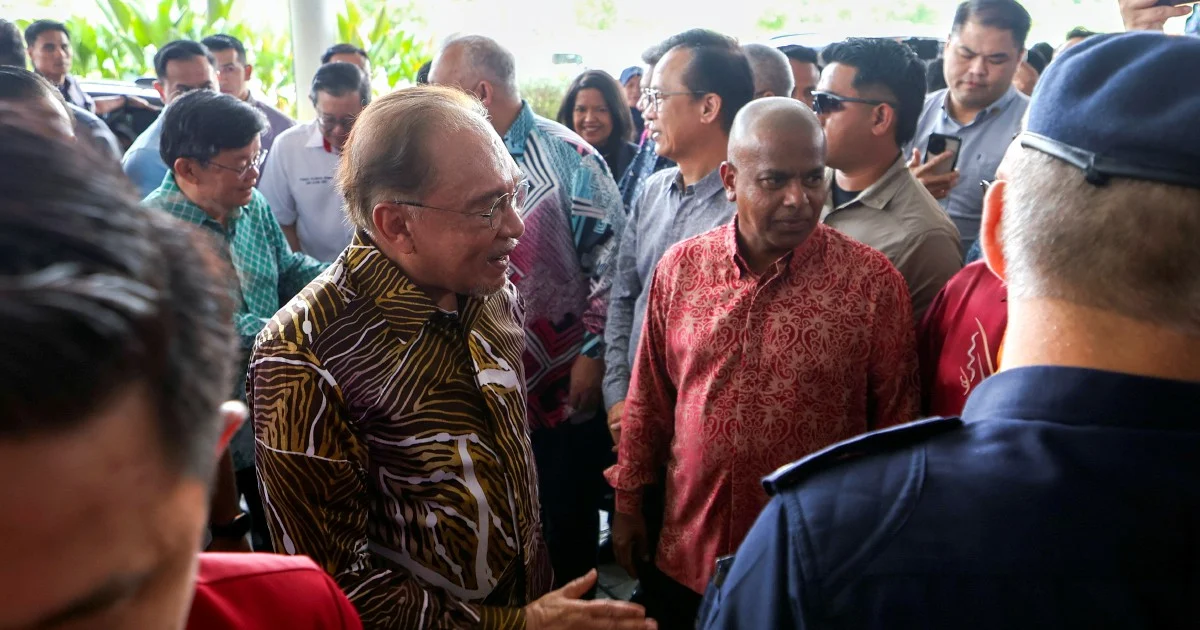
Prime Minister Datuk Seri Anwar Ibrahim has celebrated Petronas's acquisition of operating rights to two substantial gas fields in Turkmenistan, describing the achievement as a landmark moment for Malaysia's energy infrastructure and long-term supply resilience. Speaking from his Permatang Pauh constituency, Anwar framed the Turkmenistan concession as part of a broader national strategy to diversify Malaysia's energy sources and reduce vulnerability to global market disruptions.
The award represents a significant geographic expansion for Petronas beyond its traditional operating territories in Southeast Asia and the Middle East. By securing access to Central Asian hydrocarbon reserves, Malaysia's national oil and gas corporation gains exposure to one of the world's richest unexplored petroleum regions, where gas reserves rival those of major producers such as Russia and Iran. This diversification strategy reflects Petronas's long-standing ambition to maintain relevance in the global energy market and secure predictable revenue streams during a period of energy transition.
For Malaysia specifically, the Turkmenistan venture carries substantial implications for domestic energy planning and industrial competitiveness. Natural gas remains a cornerstone of Malaysia's power generation capacity, with liquefied natural gas (LNG) exports historically serving as a major foreign exchange earner. However, domestic reserves have been declining over the past decade, creating pressure to secure alternative supply sources or offset lost production through international partnerships. The Petronas deal in Turkmenistan directly addresses this constraint by establishing access to reserves that can potentially be developed, processed, and marketed through Petronas's existing infrastructure networks.
The timing of the agreement underscores regional energy dynamics in Central Asia, where Western sanctions and geopolitical tensions have created both risks and opportunities for Southeast Asian players. Turkmenistan has been actively seeking international partnerships to develop its gas sector, following the European Union's pivot away from Russian energy supplies in 2022. For Petronas, entering this market positions the company as a bridge between Central Asian resources and Asian demand, a commercial niche that aligns with Malaysia's broader foreign policy of maintaining balanced relationships across different regions.
From an operational perspective, developing gas fields in Turkmenistan presents technical and logistical challenges distinct from Petronas's existing portfolio. The Caspian Sea region requires specialised expertise in subsea operations, extreme weather conditions, and coordination with local authorities. Petronas's track record of successful operations in deepwater environments across the South China Sea and Gulf of Mexico suggests the company possesses the technical competence required, though successful execution will depend on managing political relationships and navigating international sanctions frameworks that may affect supply chains and technology access.
The economic returns from this venture will depend heavily on global gas prices and the pace of energy transition in Petronas's key markets. Asian demand for natural gas remains robust, particularly from China, Japan, and India, where power utilities and industrial consumers continue to favour gas over coal for environmental and operational reasons. However, the global energy sector faces structural headwinds as governments accelerate renewable energy deployment and electric vehicle adoption, potentially constraining future LNG demand growth beyond the current decade.
For Malaysia's broader energy policy, the Turkmenistan development raises important questions about investment sequencing during a period of energy transition. The Malaysian government has committed to increasing renewable energy capacity and supporting Petronas's transition toward lower-carbon operations. Large-scale investment in new fossil fuel production capacity abroad must be calibrated against these longer-term climate and energy-mix objectives. Anwar's framing of the deal as supporting national energy security suggests the government views it as a counterbalance to energy volatility rather than a decades-long expansion of hydrocarbon production.
International precedent suggests that major gas field developments typically require five to ten years from initial development agreement to first production, creating a substantial timeline before economic returns materialise. This delay amplifies the importance of careful project planning and risk management, particularly given the geopolitical complexities of operating in the Caspian region. For investors and stakeholders monitoring Petronas's performance, the Turkmenistan venture will serve as a key test case for the company's ability to execute large-scale projects in unfamiliar geographies.
The announcement also carries implications for Malaysia's standing within ASEAN and broader regional energy cooperation frameworks. By successfully negotiating a major upstream concession outside Southeast Asia, Petronas demonstrates that the company remains competitive at the global level despite facing challenges in mature regional markets. This success may enhance Malaysia's diplomatic standing in energy-related negotiations with other ASEAN members and international partners, particularly as energy security becomes increasingly central to regional economic planning.
Stakeholders including domestic energy consumers, power generation operators, and export-dependent industries will monitor the project's progress closely. If developed successfully, the Turkmenistan fields could contribute to supply diversification that reduces import dependency and stabilises domestic energy costs over the medium term. Conversely, execution difficulties or disappointing reserve assessments could constrain Petronas's financial flexibility for other strategic initiatives, including research into hydrogen and carbon capture technologies that support Malaysia's energy transition ambitions.