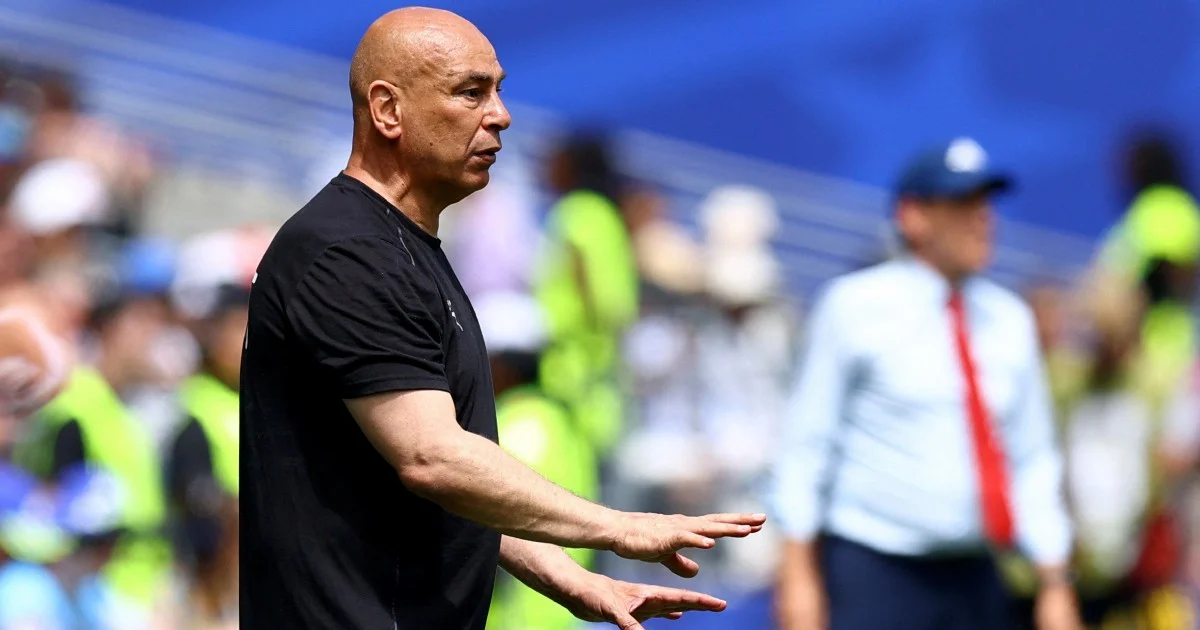
Egypt's coaching staff has moved decisively to counter speculation surrounding potential discord within the squad, with Hossam Hassan providing assurances that the team remains fully unified ahead of Sunday's World Cup Group G fixture against New Zealand at BC Place in Vancouver. The Egyptian strategist's comments come at a pivotal moment in the tournament, when maintaining psychological stability and group cohesion becomes as crucial as tactical preparation. Hassan's intervention appears designed to create a protective barrier around the squad during a high-pressure period that could define their entire campaign in Canada.
The suggestion of friction involving Mohamed Salah, Egypt's most influential attacking force, had circulated within football circles during the lead-up to the New Zealand match. Such rumours, whether grounded in substantive disagreement or merely manufactured by media speculation, can prove destabilizing when a team pursues ambitious tournament objectives. Hassan's emphatic rebuttal underscores the coach's awareness that perception shapes reality in elite sports, and that allowing narratives of internal strife to gain traction risks undermining the collective focus required to succeed at World Cup level. By addressing the matter head-on rather than permitting whispers to fester, Hassan demonstrates a tactical understanding that extends beyond pitch management into the realm of squad psychology.
The timing of this reassurance reflects the competitive context Egypt faces. Group G presents both opportunity and genuine hazard, and teams cannot afford the distraction of unresolved internal disputes when navigating tournament football. The presence of a world-class talent like Salah means his engagement and confidence directly influence Egypt's attacking potency. Any genuine rift, however minor, could ripple through the entire side's performance, particularly in matches where narrow margins determine advancement. Hassan's willingness to address speculation suggests institutional confidence that no substantive problem exists, yet also recognition that the international football environment demands proactive communication management.
For Malaysian and Southeast Asian audiences following this tournament, Egypt's situation illustrates the complex pressures facing coaches managing superstars within highly scrutinized national teams. The regional experience with similar dynamics—players balancing club and international commitments, media narratives swirling around squad harmony, and the amplified emotions surrounding World Cup participation—makes this story resonant. Understanding how established coaches navigate these challenges provides insight into the psychological dimensions of tournament football that extend beyond tactics and technical ability.
Hassan's background and authority carry weight in Egyptian football culture. His reassurance, delivered with the credibility of an experienced tactician rather than mere spin, likely carries genuine influence within the dressing room. By publicly affirming squad unity and dismissing unfounded chatter, he creates psychological space for players to focus entirely on preparation and performance. This approach contrasts with coaches who might inadvertently amplify speculation through evasiveness or defensive responses. Hassan's directness suggests a squad leadership structure secure enough to weather media noise without fracturing under pressure.
Mohamed Salah's reputation as both a supremely talented individual and a consummate professional makes him central to any assessment of Egypt's squad dynamics. Throughout his career, particularly during his time at Liverpool and Roma, he has demonstrated professionalism and commitment to collective team objectives despite his star status. Hassan's confident dismissal of rift speculation rests partly on understanding Salah's character and track record. The player's commitment to Egypt's World Cup campaign remains evident in his participation and engagement, providing objective evidence supporting the coach's reassurances.
The New Zealand fixture represents an opportunity for Egypt to translate squad harmony into tangible results. Group stage football demands consistency across multiple matches, and early victories build confidence that translates into psychological advantage throughout a tournament. Hassan's focus on unity and cohesion addresses the intangible factors that distinguish successful World Cup campaigns from disappointing ones. Teams that maintain trust, communication, and purpose often achieve results that transcend their individual technical quality. Conversely, squads fractured by genuine discord or undermined by corrosive rumours rarely recover sufficiently to mount serious challenges.
For observers across Southeast Asia, Egyptian football represents an important regional phenomenon through both its continental dominance and its cultural significance throughout the Arab world and Africa. The Pharaohs' World Cup campaign attracts attention from Malaysian audiences with interest in African football and international competition more broadly. Hassan's handling of squad management—transparent, confident, and decisive—offers a model of professional coaching communication that resonates beyond Egyptian football specifically.
The New Zealand match will ultimately determine whether Hassan's reassurances rest on solid foundation or constitute temporary containment of deeper problems. Teams perform under pressure in ways that reveal their true internal state. If Egypt displays cohesion, purposeful attacking football, and mutual support on the pitch, Hassan's claims about squad unity will receive powerful validation. Should the side appear disjointed or lacking in coordination, questions about his initial dismissal of speculation would inevitably resurface. The coach has effectively staked his credibility on the squad's performance.
Looking ahead, Hassan's proactive communication strategy establishes a template for managing similar situations throughout the tournament. By establishing clear messaging about squad harmony early, he reduces space for destabilizing narrative development. Should minor disagreements emerge in future matches, the pre-established framework of unity makes them easier to contextualize as normal competitive tension rather than evidence of structural dysfunction. This communication discipline separates professional tournament management from reactive crisis handling that consumes focus and diverts energy from performance preparation.
Egypt's pursuit of World Cup success remains deeply rooted in the nation's football culture and broader sporting aspirations. The squad carries expectations reflecting decades of continental dominance and Africa's football heritage. Hassan's navigation of the squad's psychological state, demonstrated through his confident rebuttal of speculation, represents one crucial dimension of tournament management. While tactical flexibility, technical execution, and individual quality determine match outcomes, the psychological framework within which teams operate often proves equally decisive in determining which nations advance and which depart prematurely.