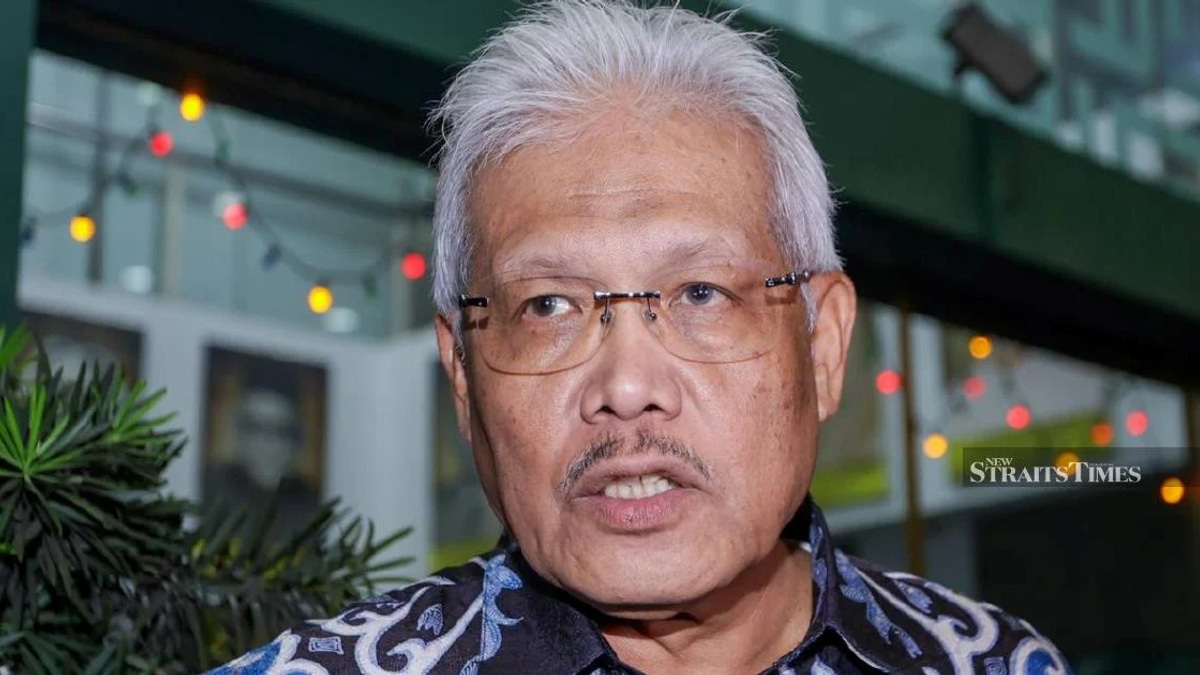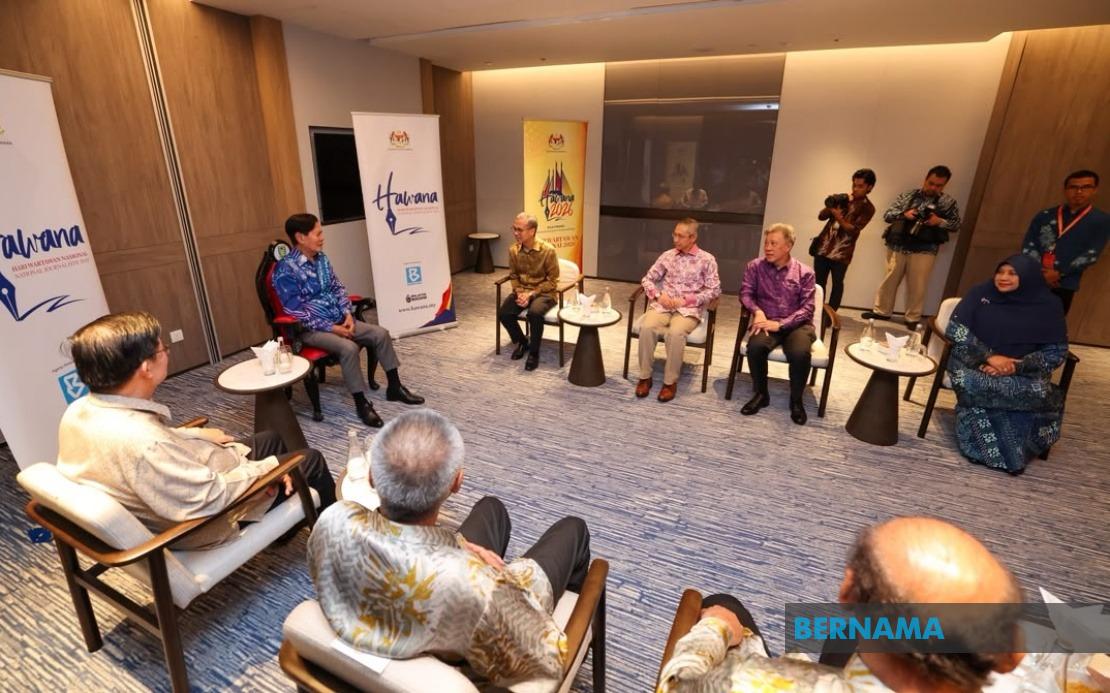
Communications Minister Datuk Fahmi Fadzil has called for the region's media industry to forge stronger collaborative ties in order to tackle the persistent challenge of misinformation and ensure the integrity of public information. Speaking during a state government reception in Butterworth on June 19 to mark the National Journalists' Day (HAWANA) 2026 celebration, Fahmi emphasised that closer partnerships, knowledge exchange and shared professional standards among ASEAN's journalism community form the backbone of a more stable and prosperous regional order.
The minister underscored journalism's fundamental role as the conduit through which citizens access factual information about their surroundings. In an era where information travels at unprecedented velocity and competing narratives continuously vie for public attention, Fahmi stressed that reporting grounded in verifiable facts, ethical principles and professional accountability has never been more essential. These values, he suggested, provide an anchor amid the noise and fragmentation that characterises the modern media landscape across Southeast Asia.
Fahmi's remarks reflect growing concern among regional governments about the velocity and sophistication of false information spreading across digital platforms. The problem extends beyond individual nations; misinformation respects no borders, flowing seamlessly across the ASEAN region and often amplified by coordinated campaigns that exploit linguistic and cultural nuances unique to each country. By strengthening media cooperation at the regional level, journalists and editors can develop common frameworks for verification, share intelligence about emerging disinformation tactics and collectively raise professional standards that make false narratives easier to identify and expose.
The HAWANA 2026 celebration, hosted by Penang, serves a dual purpose in this context. Beyond recognising journalism's indispensable contribution to national development, the event functions as a platform for reinforcing industry commitment to elevating professional practice during a period of significant disruption. The journalism profession faces mounting pressures from audience fragmentation, economic sustainability challenges and the proliferation of non-professional content creators, all factors that underscore why regional solidarity becomes increasingly valuable.
Penang's role as host carries symbolic weight for Southeast Asia's media community. The state government's willingness to organise the event signals recognition of the fourth estate's strategic importance to societal functioning and informed governance. This backing, Fahmi noted, reflects Penang's understanding that media professionals contribute substantially to the health of democratic institutions and social cohesion. By elevating journalism's status and creating platforms for professional dialogue, regional governments create conditions where fact-based reporting can flourish despite competitive pressures from sensationalism and misinformation.
The gathering assembled prominent figures from Malaysia's media ecosystem, including Bernama chairman Datuk Seri Wong Chun Wai and Bernama chief executive officer Datin Paduka Nur-ul Afida Kamaludin, alongside representatives from ASEAN communications ministries. This composition indicates the occasion's significance as a venue for policy-level discussions about regional media strategy. Such assemblies permit governments and news organisations to coordinate approaches to shared challenges and develop mutually reinforcing initiatives that transcend national jurisdictions.
Cross-border collaboration mechanisms remain underdeveloped across much of Southeast Asia despite the region's economic integration. Media organisations typically operate within national frameworks, with limited formal channels for exchanging best practices or coordinating fact-checking initiatives. Strengthening these connections would permit ASEAN newsrooms to pool resources for investigating regional stories, establish shared databases documenting misinformation patterns and create early-warning systems that alert journalists to emerging false narratives before they achieve widespread distribution. Such infrastructure exists partially in developed regions but remains nascent in ASEAN.
The misinformation challenge carries particular urgency for Southeast Asia given the region's demographic composition and digital adoption patterns. Rapid smartphone penetration, combined with high social media usage rates and digital-first consumption patterns among younger populations, creates ideal conditions for false information to spread quickly. Unlike traditional media with gatekeeping functions, social platforms algorithmically amplify engagement-generating content regardless of accuracy. Without coordinated journalistic responses rooted in professional standards, misinformation can dominate public discourse before fact-checks gain traction.
Beyond battling false narratives, stronger media collaboration advances ASEAN's broader integration agenda. Journalists operating across the region currently lack sufficient understanding of neighbouring countries' political systems, cultural contexts and development challenges. Increased interaction through professional networks, collaborative reporting projects and regional associations could deepen mutual comprehension and reduce the sensationalism and stereotyping that sometimes characterises cross-border coverage. This improved understanding strengthens the shared regional identity that undergirds economic and political cooperation.
Implementing Fahmi's vision requires moving beyond rhetorical calls for collaboration toward concrete institutional arrangements. This might involve establishing a regional fact-checking consortium, creating journalist exchange programmes, developing shared professional codes addressing digital-era challenges and facilitating regular forums where editors and publishers address common concerns. Such mechanisms require investment and sustained commitment from both media organisations and governments.
The timing of these remarks carries weight given broader global trends toward democratic backsliding and information polarisation. ASEAN nations, despite varying political systems, share vulnerability to misinformation's destabilising effects. Unified professional approaches to combating false narratives represent a form of regional collective action that strengthens democratic norms without requiring political harmonisation. By framing media collaboration primarily as a professional imperative rather than a political mandate, regional leaders create space for journalism to resist pressure toward propaganda while advancing credible information as a public good.