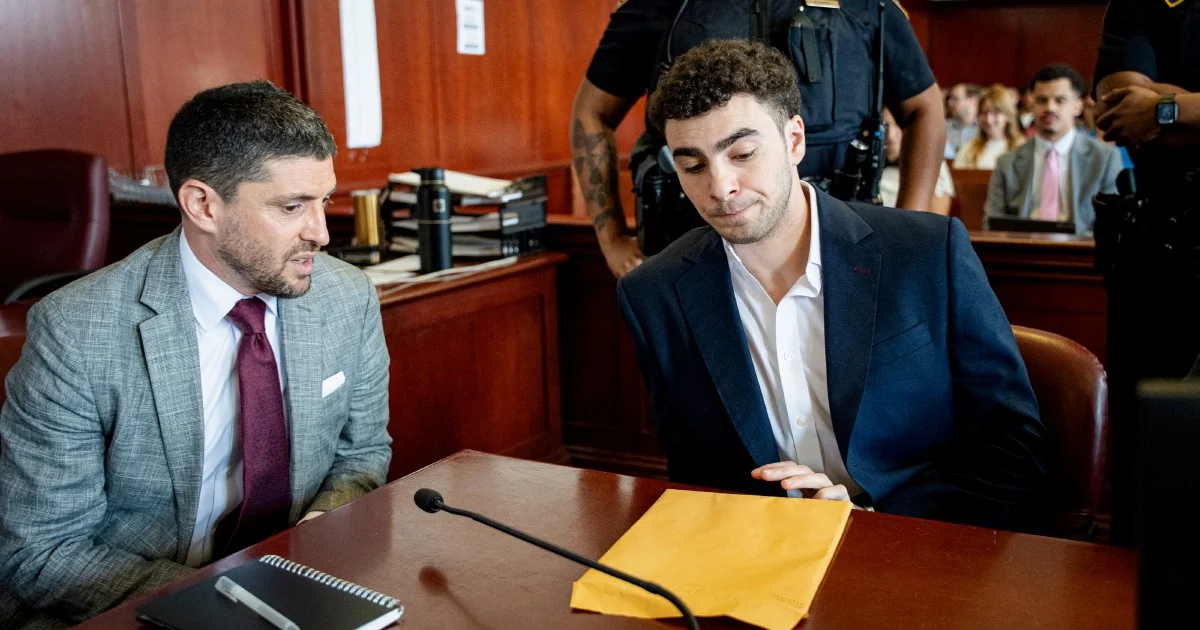
Luigi Mangione, the man facing charges in connection with the shooting death of a prominent health insurance executive on a Manhattan street, has made a strategic decision to temporarily set aside his mental health defence narrative. According to court documents filed on Friday, Mangione's legal team is postponing efforts to introduce evidence suggesting he was experiencing a severe psychological crisis at the time of the alleged killing. This tactical shift marks a significant development in a case that has captured widespread public attention and intensified scrutiny on both healthcare industry practices and criminal justice proceedings in New York.
The decision to withdraw, at least provisionally, the mental health angle represents a calculated legal manoeuvre as Mangione's defence team navigates complex strategic questions about how best to present their case before a jury. The filing does not entirely foreclose the possibility of introducing such evidence at a later stage of proceedings, suggesting the withdrawal is temporary rather than permanent. This flexibility in approach indicates the defence is carefully weighing how different lines of argument might influence jurors' perceptions and the overall trajectory of the trial.
Mental health defences have historically proven challenging in high-profile criminal cases, particularly when the defendant is accused of premeditated acts that suggest planning and calculation rather than impulsive behaviour driven by psychological distress. Courts and juries often struggle to reconcile evidence of mental health struggles with the apparent deliberation evident in alleged crimes. By temporarily stepping back from this defence avenue, Mangione's lawyers may be reassessing their overall trial strategy and considering which narrative elements will resonate most effectively with the jury that will ultimately decide his fate.
The case itself has become emblematic of broader tensions in American society regarding healthcare industry practices and executive accountability. The victim was a prominent figure in the health insurance sector, working for United HealthCare, one of America's largest insurers. Public reaction to the case has been notably complex, with some viewing the alleged perpetrator through a sympathetic lens given widespread frustrations with insurance industry practices, while others emphasise the gravity of the charges and the importance of due process. This divided public sentiment creates a unique trial environment in which the defendant's mental state and personal circumstances may carry particular weight in jurors' deliberations.
Mangione was apprehended after authorities linked him to the shooting through surveillance footage and investigative work. The alleged victim was struck by gunfire outside a Manhattan hotel in an incident that was widely covered by media outlets worldwide. Law enforcement's swift identification and apprehension of the suspect underscored the effectiveness of modern surveillance and forensic techniques in urban settings. The case proceeded through initial arraignments and preliminary hearings with the defendant in custody, setting the stage for what legal analysts expect will be a closely watched trial.
The procedural decision to withdraw mental health defence evidence at this stage may also reflect negotiations between defence counsel and prosecutors regarding plea options or trial strategy adjustments. Such tactical shifts sometimes occur when legal teams receive additional information from psychiatric evaluations, witness interviews, or expert analysis that prompts reconsideration of which arguments will prove most persuasive. Defence teams must constantly balance multiple considerations: the strength of evidence against their client, the viability of various defence theories, expert witness credibility, and jury composition factors.
In the context of Southeast Asian criminal justice observers, the Mangione case illustrates how American courts handle high-profile defence strategies and the latitude afforded to defendants in presenting multiple theories of their conduct. The ability to strategically withdraw and reintroduce evidence components contrasts with more rigid procedural frameworks in some other jurisdictions. This flexibility reflects American criminal procedure's emphasis on defence rights and the broad discretion afforded to defence counsel in constructing trial narratives.
The withdrawn mental health evidence might have included psychiatric examinations, medical records detailing psychological treatment, testimony from mental health professionals, and witness statements describing Mangione's behaviour before the alleged incident. By shelving this material temporarily, the defence team may be signalling they intend to focus initially on other aspects of the prosecution's case, such as challenging evidence integrity, questioning witness reliability, or introducing alternative explanations for the evidence presented.
As the case progresses toward trial, Mangione remains detained while his legal team conducts further preparation. The decision to revise defence strategy at this stage suggests ongoing assessment of how different evidence and arguments might play out before a jury in a case already saturated with media coverage and public opinion. The coming months will reveal whether this strategic withdrawal represents a permanent shift in approach or merely a tactical pause as defence counsel fine-tunes their presentation.