Police in Rajasthan's Dholpur district have launched a major investigation into the deaths of two young sisters, whose bodies were discovered in a river in circumstances suggesting a deliberate killing motivated by family honour concerns. The tragic incident, which occurred on the evening of June 11 near Sagarpada Bridge in Pharakpur village, has exposed the continuing threat posed by honour-based violence in parts of India, where family members sometimes resort to murder to enforce strict social codes around relationships and marriage.
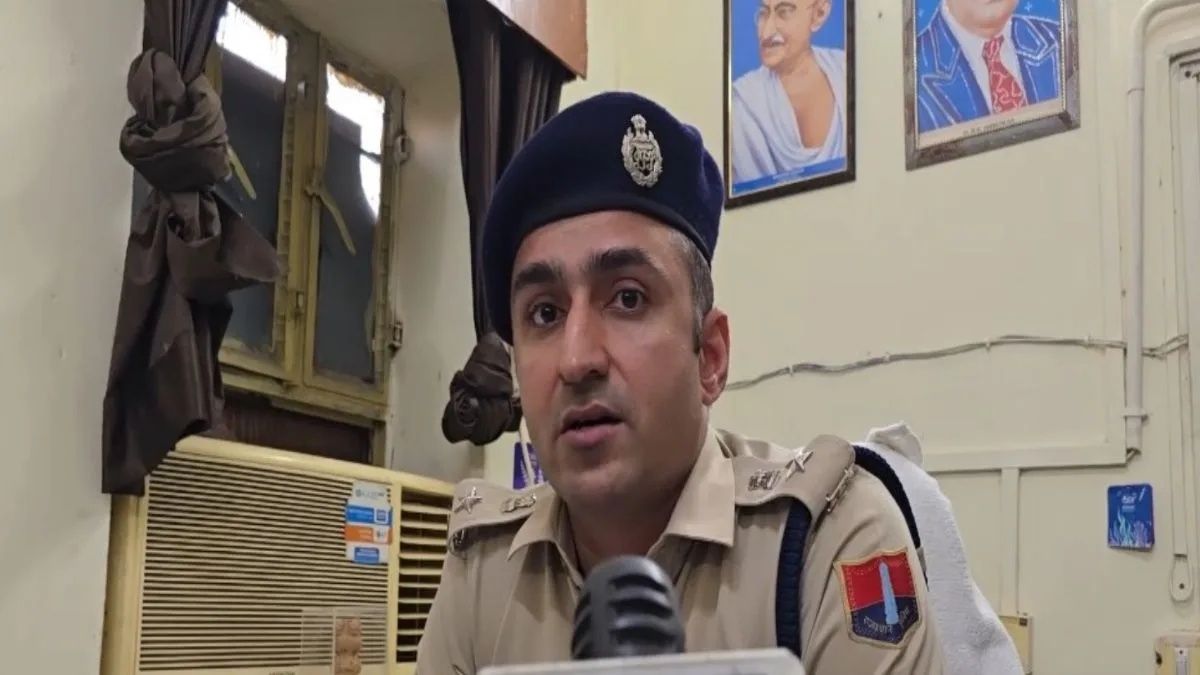
Superintendent of Police Vikas Sangwan confirmed on Friday that authorities received information naming Bharat Lodha, a father of four from the affected village, as a key suspect in the deaths of two of his daughters. Police teams immediately mobilised to the location, and preliminary investigation findings suggest the women were targeted by family members who strongly objected to their romantic involvement. The circumstances point towards a case of honour killing, the term used when family members commit murder to restore their perceived social standing after a perceived moral transgression.
The police have constructed a timeline placing the suspected incident between 9 and 10 o'clock at night on June 11, based on available witness statements and initial evidence. However, investigators stress that many details remain under verification as they work through the complex circumstances surrounding how the women came to be at Sagarpada Bridge and the exact sequence of events. The bridge location itself has significance, being isolated enough to provide privacy for those committing such an act yet accessible for transport from the village.
Investigators are currently focused on reconstructing the operational details of the alleged crime. This includes establishing which family members were present at the scene, how the victims were transported to the bridge location, what vehicles were used, and the precise timing of movements in the hours before the incident. Police acknowledge that these foundational facts require further corroboration and verification before they can build a conclusive case. The modus operandi investigation is proving complex, as honour killings typically involve coordination among multiple family members who may have different roles in planning and execution.
The romantic relationships that allegedly motivated this violence represent a flashpoint in Indian society where traditional family authority continues to clash with individual autonomy. In conservative communities across northern India and particularly in Rajasthan, romantic choices made by young women—especially associations with men from different castes, religions, or economic backgrounds—can trigger severe family punishment. The fact that the victims were multiple sisters suggests the family's objection may have been systematic rather than targeted at a single individual's choice.
For Malaysian observers, the Rajasthan case offers troubling parallels to honour-based violence documented in other South Asian societies, including isolated incidents reported in Malaysia's Indian diaspora communities. While Malaysian law provides stronger protections for women and stricter criminal consequences for murder, cases of familial coercion, forced marriages, and honour-based intimidation occasionally emerge in police reports and social services investigations. The Dholpur case underscores how such violence remains a regional concern requiring sustained law enforcement attention and community engagement.
The investigation's scope extends beyond simply identifying the perpetrators to understanding the broader family dynamics that enabled such violence. Police are questioning individuals connected to the case, though they have not yet publicly confirmed how many family members have been formally arrested or charged. The fact that Lodha had four daughters suggests potential investigative challenges in determining which relatives actively participated in the fatal act and which may have been aware but inactive.
Authorities have indicated that multiple family members face suspicion, indicating that honour killings in this context typically involve collaborative decision-making within households. In many such cases, senior female family members—mothers and grandmothers—play significant roles in enforcing marriage and relationship codes, sometimes even instigating violence against younger women perceived as threatening family reputation. The involvement of the father as the primary suspect suggests patriarchal family structures where male authority figures ultimately decide on the ultimate punishment.
The investigation remains ongoing, with police continuing to gather forensic evidence from the river location and surrounding areas. Physical evidence such as clothing, personal effects, and potential DNA material from the scene will be crucial in establishing the manner of death and connecting suspects to the incident. Police have committed to revealing fuller details once investigations progress, though they acknowledge that complex cases involving multiple suspects and potential conspiracies require thorough verification of all available facts.
Once investigations conclude, authorities have indicated that criminal charges will follow based on findings. Potential charges could include murder, conspiracy, and under Indian law, specific sections addressing crimes against women. The case will likely attract significant attention from women's rights advocates and civil society organisations in India, contributing to ongoing debates about police responsiveness, judicial accountability, and societal attitudes toward honour-based violence.
For the broader South Asian region, the incident reflects persistent challenges in protecting young women from familial violence rooted in traditional honour concepts. While legal frameworks have strengthened across countries including Malaysia, Bangladesh, and Pakistan, enforcement remains inconsistent and cultural attitudes toward family privacy sometimes enable such crimes. The Dholpur case demonstrates why sustained police training, community awareness campaigns, and specialised investigation units remain essential for combating honour-based violence in societies where such tragic incidents continue to occur.


%22%2F%3E%3C%2Fpattern%3E%3C%2Fdefs%3E%3Crect%20width%3D%22100%25%22%20height%3D%22100%25%22%20fill%3D%22url(%23ph2hy9vg)%22%2F%3E%3Crect%20width%3D%22100%25%22%20height%3D%22100%25%22%20fill%3D%22url(%23ph2hy9vp)%22%2F%3E%3Ctext%20x%3D%2250%25%22%20y%3D%2250%25%22%20text-anchor%3D%22middle%22%20dominant-baseline%3D%22central%22%20fill%3D%22rgba(255%2C255%2C255%2C0.95)%22%20font-family%3D%22Georgia%2C%20'Times%20New%20Roman'%2C%20serif%22%20font-weight%3D%22700%22%20font-size%3D%22272%22%20letter-spacing%3D%22-0.02em%22%3EAnwar%3C%2Ftext%3E%3C%2Fsvg%3E)