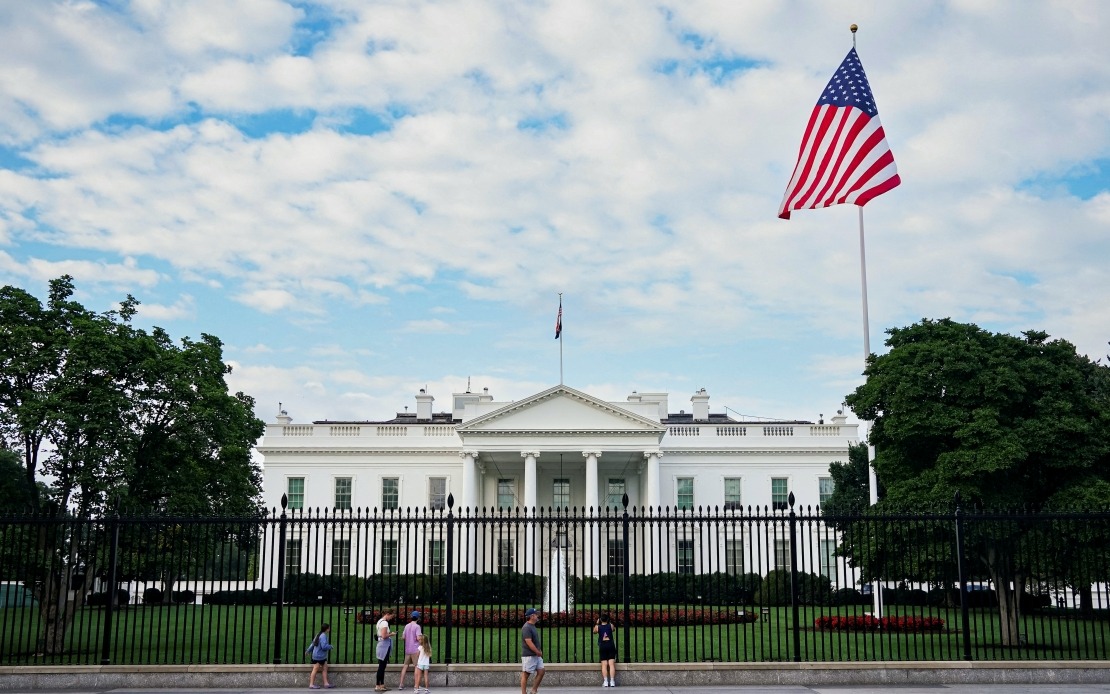
The Federal Bureau of Investigation announced on Tuesday that it had successfully prevented alleged attacks targeting a White House Ultimate Fighting Championship event held on Sunday to commemorate President Donald Trump's 80th birthday alongside the United States' 250th anniversary celebration. The disclosure, made public by FBI Director Kash Patel through social media, underscores the continuing security challenges facing American political institutions and high-profile gatherings in the nation's capital.
According to Patel's statement, law enforcement agencies became aware of the potential threat on June 10, when intelligence indicated individuals from outside the National Capital Region were planning coordinated attacks against the UFC America 250 event. The rapid intervention resulted in multiple arrests, with five people taken into custody by Monday, effectively disrupting what authorities characterised as an imminent and serious threat to public safety at one of the most visible venues in the United States.
The alleged plot, as detailed by officials speaking to Fox News, demonstrated considerable sophistication and planning. The scheme reportedly involved deploying explosive-laden drones to strike buildings adjacent to the event venue, creating a cascading series of emergencies designed to trigger mass panic and evacuation. The disclosed plan's second component involved positioning sniper teams at predetermined locations to target fleeing crowds, representing a multi-stage attack strategy. Investigators subsequently identified a second wave of coordinated action, with alleged plotters planning to breach the White House gates during the resulting chaos.
The scope of the alleged conspiracy proved far more extensive than the five immediate arrests suggested. Investigators have identified 23 individuals as part of a broader network of potential plotters, indicating that the disrupted scheme involved considerable coordination and distributed planning across multiple locations. This broader identification suggests ongoing investigative work to uncover the full extent of the conspiracy and the operational relationships among those involved.
The UFC event itself represented an unusual undertaking, bringing cage fighting—a sport typically held in dedicated arenas—to the South Lawn of the White House as part of the 250th anniversary celebrations. The unprecedented nature of hosting such an event at the presidential residence prompted legal challenges from two Virginia residents who questioned the lawfulness of the arrangement. However, on Friday, a federal judge in the US District Court for the District of Columbia rejected their petition to block the event, allowing organisers to proceed with security preparations for what ultimately drew approximately 4,000 spectators.
For Malaysian and Southeast Asian observers, the incident highlights the evolving nature of security threats targeting major public events and government facilities in Western democracies. The sophistication of the alleged plot—coordinating drone strikes, sniper positioning, and gate breaches—reflects emerging threat vectors that security agencies across the region must monitor and prepare for as such tactics become increasingly documented in global terrorism and extremism analyses.
The disclosure also comes within a troubling broader context of escalating political violence in the United States. In April, a man carrying firearms and knives bypassed security at the White House Correspondents' Dinner and faced charges related to attempting to assassinate the president. These incidents, occurring within months of each other and targeting high-profile events and locations, suggest a pattern that demands sustained attention from American law enforcement and raises questions about evolving threat assessments in the country's security environment.
The rapid identification and prevention of this alleged plot demonstrates the FBI's intelligence-gathering capabilities and inter-agency coordination mechanisms. The speed with which authorities moved from initial threat awareness on June 10 to arrests and disruption before the June 16 event showcases the operational effectiveness that can be achieved when law enforcement agencies work collaboratively to address emerging threats. This efficiency may serve as a model for security operations in other democracies facing similar challenges.
For Malaysia and ASEAN nations, the episode offers instructive lessons about event security planning and the necessity of robust intelligence sharing among relevant agencies. As the region hosts increasingly prominent international sporting events and political gatherings, the detailed planning evident in the alleged White House plot—and the security measures necessary to counter such threats—provides relevant case study material for security professionals and policymakers across Southeast Asia who must balance public access to major events with comprehensive protection measures.
The incident's emphasis on drone-based attack vectors particularly resonates for Asian governments grappling with homeland security in an era of advancing unmanned aircraft technology. The alleged use of explosive-laden drones represents a capability that security planners across the region must factor into threat assessments, especially for events involving political leaders or large public gatherings. The successful American response to this specific threat offers both reassurance about the capabilities of established security agencies and a sobering reminder of the persistent innovation characterizing contemporary security challenges.
Moving forward, the broader implications for international security cooperation remain significant. The alleged conspiracy, involving individuals from multiple locations and requiring cross-agency coordination to disrupt, exemplifies the interconnected nature of contemporary threats. For Malaysian intelligence and security officials monitoring regional and international developments, the case underscores the importance of maintaining robust relationships with foreign counterparts and ensuring that emerging threat patterns are rapidly communicated across borders.

%22%2F%3E%3C%2Fpattern%3E%3C%2Fdefs%3E%3Crect%20width%3D%22100%25%22%20height%3D%22100%25%22%20fill%3D%22url(%23ph2hy9vg)%22%2F%3E%3Crect%20width%3D%22100%25%22%20height%3D%22100%25%22%20fill%3D%22url(%23ph2hy9vp)%22%2F%3E%3Ctext%20x%3D%2250%25%22%20y%3D%2250%25%22%20text-anchor%3D%22middle%22%20dominant-baseline%3D%22central%22%20fill%3D%22rgba(255%2C255%2C255%2C0.95)%22%20font-family%3D%22Georgia%2C%20'Times%20New%20Roman'%2C%20serif%22%20font-weight%3D%22700%22%20font-size%3D%22272%22%20letter-spacing%3D%22-0.02em%22%3EAnwar%3C%2Ftext%3E%3C%2Fsvg%3E)