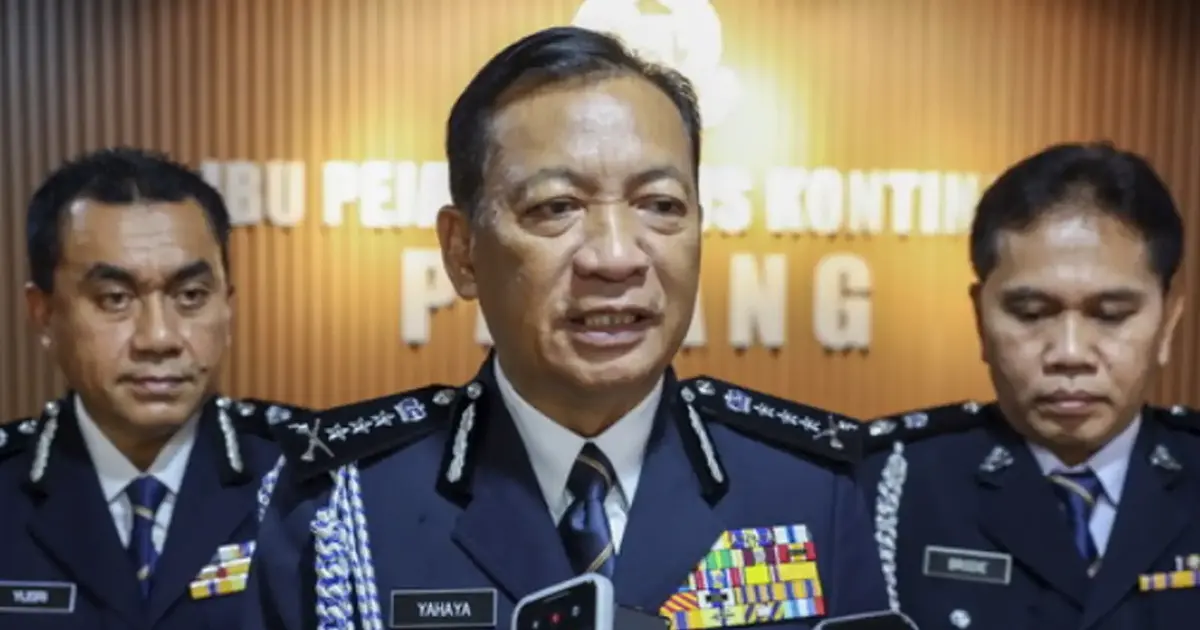
The Pahang police force has widened its dragnet in an ongoing investigation into a sophisticated forgery operation involving medical certificates, with authorities announcing the arrest of four more individuals as part of their efforts to dismantle the criminal network. This development represents a significant escalation in the probe, which has already ensnared multiple suspects since initial arrests were made at the beginning of the week. Pahang police chief Yahaya Othman disclosed the latest enforcement action, signalling the force's determination to pursue all leads in the case.
Simultaneously, five individuals who were detained following arrests made on Monday have been released from remand custody, marking a shift in the investigative status of those particular suspects. The release of these five does not necessarily indicate exoneration but suggests that authorities may have gathered sufficient preliminary evidence from them or determined that extended remand was not warranted at that stage of the inquiry. This mixed outcome—continued arrests paired with strategic releases—reflects the typical progression of complex investigations involving document fraud and potentially organised criminal activity.
The forged medical certificates scheme represents a serious concern for Malaysian law enforcement agencies, as such fraudulent documents can facilitate broader criminal operations. Medical certificates obtained through deception can be used to provide false alibis, support insurance claims, or enable individuals to evade legitimate legal and employment obligations. The scale of the operation, evident from the number of arrests made thus far, suggests this was not a small-time criminal venture but rather a more coordinated effort with multiple participants fulfilling different roles in the forgery pipeline.
The involvement of Pahang police in leading this investigation underscores the state's role as a significant nexus in such criminal networks. Kuantan and the surrounding Pahang region have occasionally featured in high-profile fraud cases in recent years, indicating the presence of organised crime elements operating across state boundaries. The tiered approach to arrests—with some individuals apprehended early and later released, while additional suspects are now being brought in—suggests investigators are methodically building their case from periphery to core, potentially working their way toward identifying the masterminds orchestrating the scheme.
Forged medical certificates carry implications that extend beyond simple document fraud. When used in conjunction with other offences, they can constitute evidence of conspiracy or obstruction of justice. Malaysian law enforcement agencies have grown increasingly sophisticated in linking document forgeries to larger criminal enterprises, recognising that such schemes rarely operate in isolation. The medical certification forgery sector specifically intersects with workplace fraud, insurance crime, and criminal conspiracy, making it a priority for federal and state police units specialising in commercial crime.
From a regional perspective, this case resonates across Southeast Asia, where document forgery operations often transcend national borders. Criminal syndicates operating in countries like Malaysia frequently distribute forged documents across the region, exploiting differences in security features, verification procedures, and enforcement capabilities. Malaysian authorities' proactive approach to investigating and prosecuting such cases sends a necessary signal to both domestic and transnational criminal networks that such schemes face serious consequences.
The investigation's progression also highlights the challenges Malaysian police face in combating sophisticated fraud. Modern forgery operations employ advanced printing technology and access to legitimate document security features, making detection increasingly difficult without specialised forensic expertise. The involvement of multiple suspects suggests a division of labour—some individuals may have handled procurement of materials, others the actual printing and production, and still others the distribution and sale of the forged certificates. Disrupting such networks requires patient investigative work identifying each player's role.
For Malaysian businesses and institutions that rely on medical certificates for employment verification, sick leave administration, and related purposes, such cases underscore the necessity for enhanced verification protocols. Many organisations still accept medical certificates at face value without confirming their authenticity directly with issuing healthcare providers, creating an environment where forged documents circulate relatively freely. The police investigation may prompt some institutional policy reviews regarding how thoroughly certificates should be validated before acceptance.
The timing and scope of these latest arrests suggest the investigation remains in an active, expansive phase rather than winding down. Authorities appear to be simultaneously pursuing multiple investigative threads—some leading to release on bail or personal recognisance, others warranting further custody and questioning. This approach maximises the likelihood of identifying all participants and understanding the full operational scope of the forgery network. How thoroughly investigators can document the supply chain, from initial document source through distribution to end users, will significantly influence the strength of cases prosecutors can ultimately bring to court.

%22%2F%3E%3C%2Fpattern%3E%3C%2Fdefs%3E%3Crect%20width%3D%22100%25%22%20height%3D%22100%25%22%20fill%3D%22url(%23ph2hy9vg)%22%2F%3E%3Crect%20width%3D%22100%25%22%20height%3D%22100%25%22%20fill%3D%22url(%23ph2hy9vp)%22%2F%3E%3Ctext%20x%3D%2250%25%22%20y%3D%2250%25%22%20text-anchor%3D%22middle%22%20dominant-baseline%3D%22central%22%20fill%3D%22rgba(255%2C255%2C255%2C0.95)%22%20font-family%3D%22Georgia%2C%20'Times%20New%20Roman'%2C%20serif%22%20font-weight%3D%22700%22%20font-size%3D%22272%22%20letter-spacing%3D%22-0.02em%22%3EAnwar%3C%2Ftext%3E%3C%2Fsvg%3E)