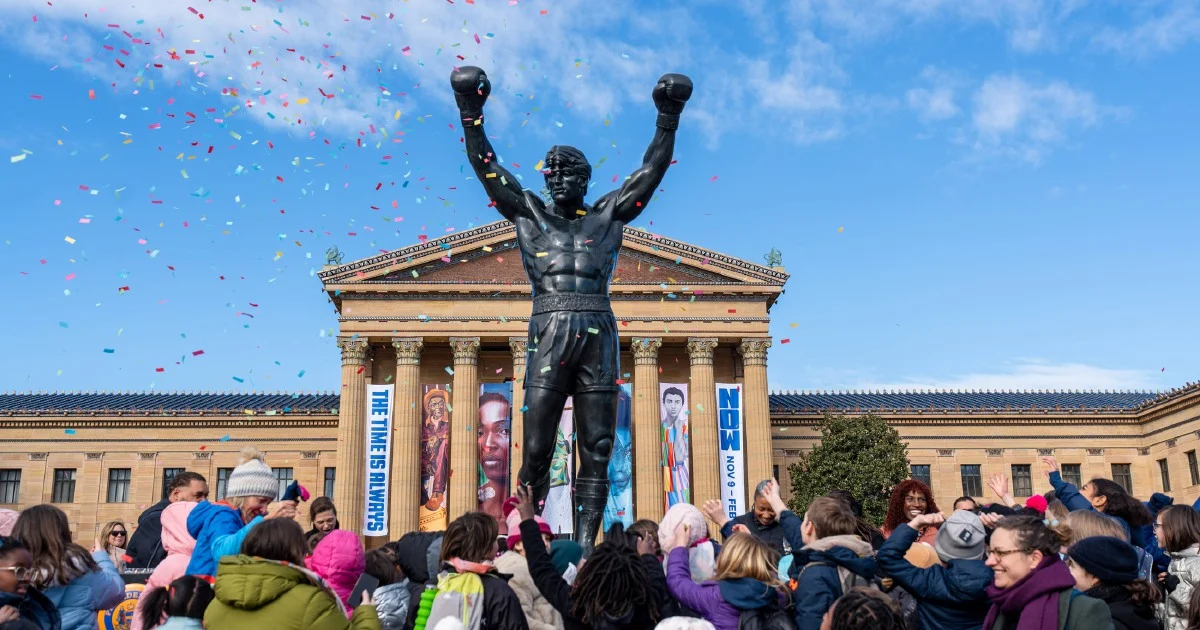
Philadelphia authorities issued a stern advisory to French supporters descending on the city for the World Cup, cautioning them against any physical contact with the city's most beloved monument: the life-sized bronze statue of Rocky Balboa. The warning came as officials sought to prevent what locals have come to regard as a genuine sporting curse, one that has reportedly plagued teams whose fan bases have attempted to claim the iconic sculpture as their own during major tournaments.
The Rocky statue, located near the Philadelphia Museum of Art at the base of the museum's famous steps, has become an unexpected focal point for international sporting superstitions. Over the years, supporters of various nations have sought to dress the sculpture in their team colours as a show of solidarity and good luck during World Cup campaigns. Yet rather than bringing fortune, these displays have seemingly been followed by unexpected defeats and early tournament exits—a pattern that has grown impossible to ignore among Philadelphia's sports-savvy population.
The statue itself, cast in bronze and depicting the fictional boxer at the moment of triumph, has achieved an almost mythical status in popular culture since its installation decades ago. It stands as a testament to the film's enduring legacy and Philadelphia's identity as a city of underdogs and resilience. However, the irony is not lost on locals that the very act of dressing it in their team colours appears to invite the opposite of what fans hope to achieve: sporting catastrophe rather than victory.
French authorities and World Cup organisers took the warning seriously enough to communicate directly with the nation's supporters, recognizing that superstitions can run deep among devoted football fans. The decision to issue such a public advisory reflects both the seriousness with which some view the curse and the municipality's desire to protect both the statue and maintain good relations with international visitors. Officials were particularly concerned given France's status as a top tournament contender, where any perceived disadvantage—real or imagined—could become a source of tension.
The phenomenon taps into a broader pattern of sporting superstition that pervades international football culture. Fans have long engaged in ritualistic behaviours, from lucky socks to pre-match routines, viewing these actions as capable of influencing outcomes. The Rocky statue curse sits somewhere between folklore and genuine bad luck, blurring the line between entertainment and sincere belief. For international supporters far from home during major tournaments, such talismans take on heightened psychological significance.
Philadelphia's warning also underscores how sporting events transcend the pitch itself, creating broader cultural touchpoints that extend into urban spaces. The city has leveraged its Rocky connection for tourism and cultural identity, making the statue not merely a monument but an active participant in Philadelphia's ongoing narrative. The curse narrative, whether rooted in coincidence or genuine pattern, has become part of that story.
For Southeast Asian readers following the World Cup, the episode offers an intriguing glimpse into how international sporting culture operates in North America. The casual way that Philadelphians invoke a curse, and the willingness of authorities to acknowledge and warn against it, reflects a culture that embraces both scepticism and superstition simultaneously. It is the sort of locally-rooted, slightly absurd story that characterises international sporting events, where tradition, folklore, and contemporary competition intersect.
The warning also highlights the responsibilities that host cities face when managing large influxes of international visitors. Rather than dismiss the superstition outright, Philadelphia chose to engage with it pragmatically, using it as a gentle deterrent against unwanted damage to a cherished civic monument. This approach reflects broader lessons about respecting local customs and heritage, even when those customs seem unusual to outsiders.
French supporters, known for their passionate but generally respectful approach to international travel, are expected to heed the warning. The nation has cultivated a reasonably positive reputation among World Cup host cities, and fans are unlikely to risk that goodwill by deliberately courting bad luck. Whether the curse is real or merely the product of selective memory and pattern-seeking, the message to France's supporters is unmistakable: admire the Rocky statue, take photographs, but keep your hands to yourself and your team colours at home.
As the World Cup draws increasing numbers of international fans to various American cities, such local traditions and warnings will likely become more prevalent. The Rocky statue curse is simultaneously a cautionary tale for superstitious supporters and a reminder of how deeply sports are woven into the fabric of urban identity and local culture. For France's World Cup campaign, at least, the message is clear: the real work happens on the pitch, not at a Philadelphia monument.