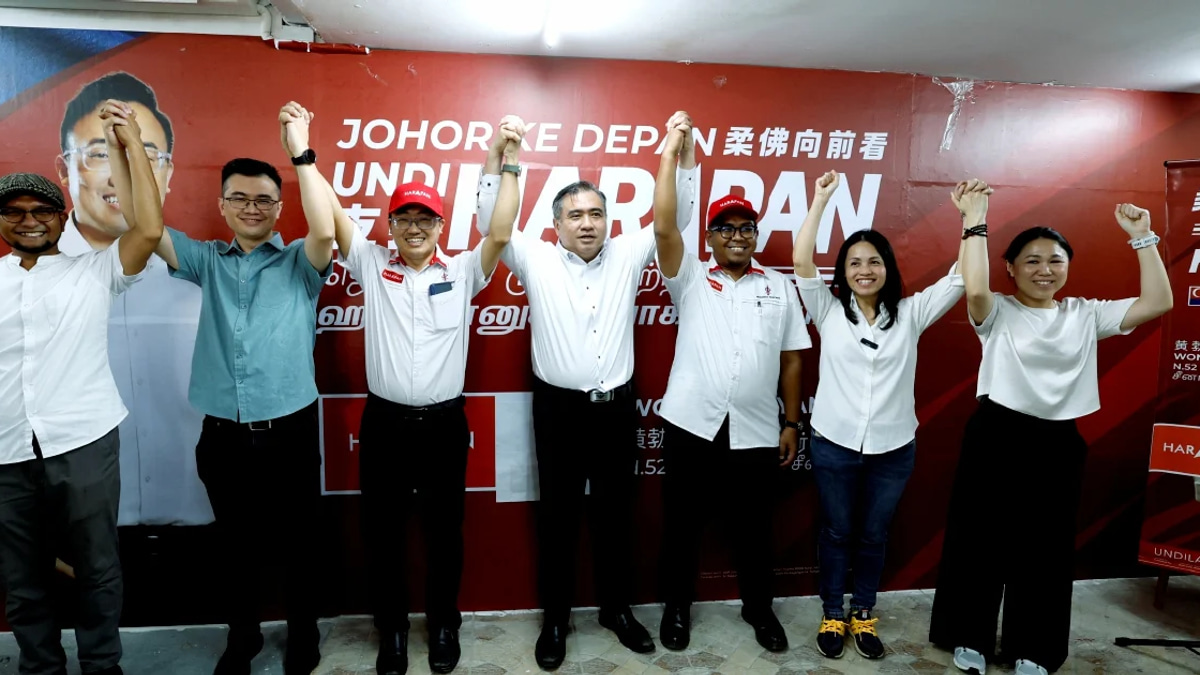
Gerakan party president Dominic Lau has issued a forthright call for the Perikatan Nasional coalition to strengthen its internal cohesion as the political bloc prepares for state elections in Johor and Negeri Sembilan. The appeal underscores mounting concerns within the opposition alliance about maintaining unity during what are expected to be pivotal electoral contests that could reshape the political landscape across two key Malaysian states.
Lau's intervention comes at a time when political observers have noted signs of tension within PN's ranks, stemming from disagreements over seat allocations, campaign strategies, and the broader direction of the coalition's policies. The Gerakan president framed the party's position as focused on preventing the coalition from fracturing, suggesting that internal divisions pose a greater threat to electoral success than competition from rival blocs. This stance reflects a pragmatic calculation that PN's ability to present a united front will directly influence voter confidence and electoral performance in both states.
The Johor and Negeri Sembilan elections carry particular significance for Malaysian politics. Johor, as Malaysia's second-largest state by population and a traditional powerhouse of electoral influence, represents crucial ground for any coalition seeking to expand its parliamentary reach. Negeri Sembilan, though smaller, occupies a strategic position in the central corridor and has historically alternated between ruling coalitions, making it potentially decisive. For PN, these contests represent an opportunity to demonstrate organizational capability and voter appeal beyond its strongholds in Kelantan and Terengganu.
Gerakan's emphasis on unity suggests that the party recognises the fragility of opposition politics in Malaysia. Unlike the dominant Barisan Nasional structure, which historically maintained tighter party discipline, opposition coalitions have struggled to maintain cohesion when facing the machinery and resources of established ruling parties. The warning from Lau can be interpreted as acknowledgment that PN members may harbour competing ambitions or divergent strategic preferences that could become counterproductive if not carefully managed through the electoral campaign period.
The coalition dynamics within PN are complex. The bloc comprises PAS, which dominates the northeastern states; PKR, led by Anwar Ibrahim; Bersatu, which commands significant support in certain constituencies; and smaller parties like Gerakan itself and Warisan from Sabah. Each component party brings distinct voter bases, regional strongholds, and leadership structures. Agreeing on candidate selection and campaign messaging across these diverse interests requires continuous negotiation and compromise, areas where previous opposition coalitions have stumbled.
For Gerakan specifically, the call for unity serves another function. The party has struggled to maintain electoral relevance following its departure from Barisan Nasional, and aligning itself firmly with PN's electoral fortunes offers a pathway to regain parliamentary representation. By positioning itself as a voice for coalition stability, Gerakan enhances its influence within PN discussions while demonstrating to voters that it remains a significant actor in Malaysian politics, capable of shaping coalition behaviour rather than merely participating in it.
The timing of Lau's statement appears strategically chosen. As state election machinery begins mobilising, early signals about maintaining coalition discipline can help prevent the kind of candidate clashes and campaign contradictions that plagued previous opposition efforts. When different coalition members field competing candidates in the same constituencies or voice conflicting policy positions, the result typically strengthens the ruling coalition by allowing it to exploit apparent divisions and inconsistency.
Regional implications extend beyond domestic Malaysian politics. A cohesive PN performance in these elections could influence investor confidence in political stability, particularly given Johor's significance as a commercial hub with deep ties to Singapore and the wider Southeast Asian economy. Electoral uncertainty and potential coalition instability during campaigns create diplomatic complications and can affect business sentiment across the region.
The specific challenges facing PN in these elections remain substantial despite Lau's unity appeal. Barisan Nasional retains formidable organisational advantages, established governance records in both states, and the ability to frame elections around incumbent performance. PN must overcome these structural advantages through superior coordination, clear messaging, and voter mobilisation—achievements that require precisely the kind of coalition discipline that Lau is advocating.
Looking forward, the success of Gerakan's unity appeal will likely determine PN's electoral prospects. If coalition members respect agreed seat-sharing arrangements, coordinate campaign narratives effectively, and project a unified vision for state governance, they enhance electoral competitiveness significantly. Conversely, if internal disagreements surface publicly or candidates undermine each other's campaigns, the opposition's chances diminish substantially. Lau's intervention represents an early attempt to steer the coalition toward the former outcome, though the real test will come as campaign intensity increases and various parties' electoral interests potentially conflict.