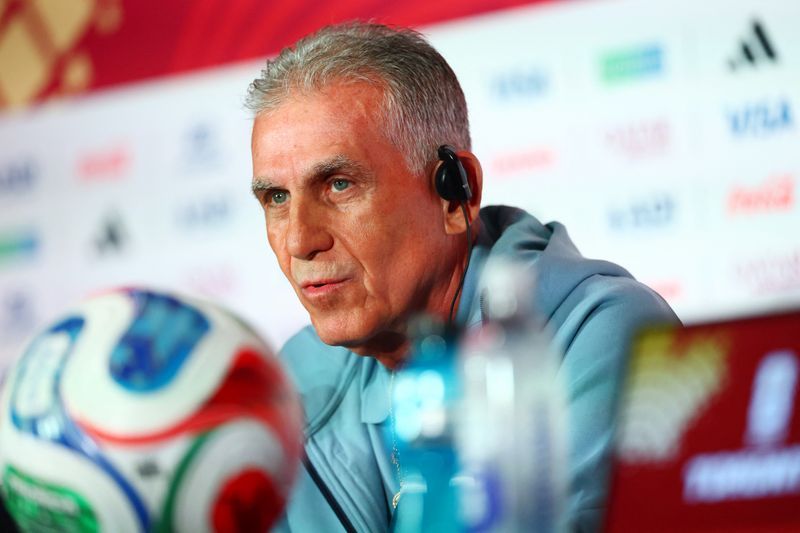
Ghana's preparations for their World Cup Group L encounter against Panama have been overshadowed by uncertainty surrounding midfielder Thomas Partey, but coach Carlos Queiroz has moved past the distraction to focus on tactical matters ahead of the clash at Toronto Stadium. Speaking at a press conference on Tuesday, the veteran Portuguese manager adopted a pragmatic stance, indicating that his squad has contingency plans in place and will proceed regardless of whether Partey is eventually granted entry to Canada, where a federal court was hearing an appeal against the government's initial refusal to let the player into the country.
The saga surrounding Partey's status has dominated discussions in the lead-up to Wednesday's match. The Villarreal midfielder faces serious allegations of rape and sexual assault in Britain, charges he has consistently denied. When the player's legal representatives sought to challenge Canada's decision to bar his entry, the timing of the appeal—just hours before Ghana's crucial group-stage fixture—added another layer of complexity to an already sensitive situation. For Queiroz, however, the focus needed to remain squarely on preparation rather than speculation, prompting his characteristically forthright dismissal of further commentary on Partey.
Queiroz's managerial philosophy, refined across decades of top-level football, emphasises adaptability and working within present constraints. His statement that he would "play with the cards I have in front of me" reflected a seasoned coach's approach to adversity, treating the Partey situation as a variable to manage rather than a crisis to resolve. He acknowledged the uncertainty while making clear that Ghana possessed sufficient depth and tactical flexibility to field a competitive team. This measured response sent a signal to his players that setbacks, however significant they might appear, would not derail their World Cup ambitions.
The coach's assessment of Panama provided insight into how Ghana intended to approach the contest. Queiroz acknowledged that their Central American opponents are a well-organised and experienced unit—qualities developed through consistent participation in major tournaments and qualification campaigns. However, his analysis went beyond mere respect for the opposition. He identified specific weaknesses that Ghana would exploit, suggesting his coaching staff had prepared detailed scouting reports and game plans. This dual recognition of Panama's strengths and Ghana's ability to counter them underscored a team that had done its homework and harboured genuine confidence in its prospects.
In defending his own squad's capabilities, Queiroz catalogued the assets that would serve Ghana well against Panama. He emphasised the experience within his group, a particularly valuable commodity in tournament football where composure under pressure separates successful campaigns from disappointing early exits. Beyond experience, he highlighted quality in technical execution, pace that could trouble Panama's defensive structure, and skilful players capable of creating moments of magic. The 73-year-old's confidence in one-on-one contests suggested Ghana would attempt to isolate Panama's defenders and create opportunities through direct football, a tactic that plays to the strengths of athletic African teams.
Ghana's presence in the World Cup carries historical weight for African football. The nation has established itself as one of the continent's consistent performers on the global stage, and their participation in this tournament represented both opportunity and expectation. Facing Panama—a team that has competed in recent World Cups but typically operates at the lower end of the competitive spectrum—presented Ghana with a winnable fixture in a group that would likely be decided by how the stronger teams performed against weaker opposition.
When pressed about FIFA's mandatory hydration breaks, a rule that has generated considerable debate among footballing professionals, Queiroz demonstrated the sagacity expected of someone who has managed at the highest levels. Rather than offering immediate opinion, he indicated that judgment should be reserved until comprehensive analysis could be conducted after the tournament concluded. His suggestion that an "integrity report" be commissioned reflected scepticism about whether the rule genuinely prioritised player welfare or served commercial interests. This perspective resonates with broader concerns within professional football about how competition formats increasingly accommodate broadcasting schedules and sponsorship requirements.
Queiroz's comments about hydration breaks also revealed the undercurrents of tension between player welfare and other stakeholder interests in modern football. The mandatory stoppages, designed ostensibly to allow athletes to rehydrate during intense physical exertion, have been questioned by coaches who argue they disrupt rhythm and momentum. Queiroz's call for accountability and transparency reflected a view shared by many in the game that any rule changes should be implemented with clear evidence and ongoing monitoring. For Malaysia and Southeast Asian observers, such discussions matter because they influence how tournaments are structured and experienced globally.
The broader context of Ghana's World Cup campaign extends beyond individual matches. As an African nation competing in global football's showpiece event, Ghana carries hopes not just for sporting achievement but for continental representation. The outcome against Panama would significantly influence their prospects of advancing from Group L and potentially reaching the knockout stages. Queiroz, who has previously managed at the highest echelons of club and international football, understood the stakes and the importance of extracting maximum value from fixtures against beatable opponents.
As the appeal hearing concluded and the time approached for Ghana and Panama to take the field at Toronto Stadium, the focus naturally shifted from courtroom proceedings to match preparation. Queiroz's emphasis on readiness, regardless of Partey's status, projected a confidence that Ghana would not allow external circumstances to undermine their preparations. Whether or not the midfielder eventually arrived in Canada, Ghana's coach had already signalled his team would be prepared to compete at their highest level. The verdict from the federal court would ultimately matter far less than how Ghana's players executed their game plan when the whistle blew.


%22%2F%3E%3C%2Fpattern%3E%3C%2Fdefs%3E%3Crect%20width%3D%22100%25%22%20height%3D%22100%25%22%20fill%3D%22url(%23ph2hy9vg)%22%2F%3E%3Crect%20width%3D%22100%25%22%20height%3D%22100%25%22%20fill%3D%22url(%23ph2hy9vp)%22%2F%3E%3Ctext%20x%3D%2250%25%22%20y%3D%2250%25%22%20text-anchor%3D%22middle%22%20dominant-baseline%3D%22central%22%20fill%3D%22rgba(255%2C255%2C255%2C0.95)%22%20font-family%3D%22Georgia%2C%20'Times%20New%20Roman'%2C%20serif%22%20font-weight%3D%22700%22%20font-size%3D%22272%22%20letter-spacing%3D%22-0.02em%22%3EAnwar%3C%2Ftext%3E%3C%2Fsvg%3E)