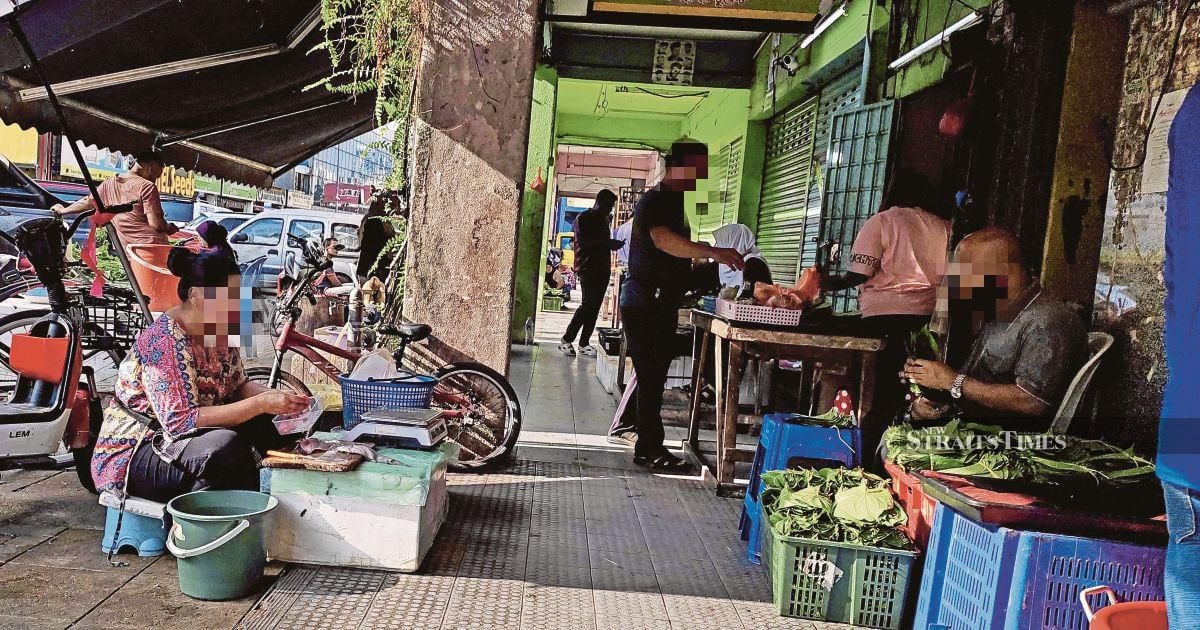
The Malaysian government has made a public appeal for citizens to demonstrate compassion and humanitarian values when considering the situation of the Rohingya community living within the country, according to statements from government officials based in Putrajaya. This call comes at a time when public sentiment surrounding Rohingya issues has become increasingly pronounced, with media coverage and community discussions reaching heightened levels of attention across the nation.
The government's intervention signals a recognition that Malaysia faces a complex challenge in managing its relationship with an extremely vulnerable population whilst simultaneously addressing legitimate public concerns about integration, resources, and social cohesion. Officials have emphasised that navigating this issue requires a dual approach: maintaining commitment to humanitarian principles whilst ensuring compliance with existing legal frameworks and immigration regulations.
The timing of this official statement reflects growing tensions surrounding the Rohingya presence in Malaysia. Over the past year, various incidents and policy discussions have intensified public debate, with some sections of the population expressing concerns about healthcare access, employment, and community stability. Simultaneously, humanitarian organisations and civil society groups have documented the profound vulnerability of Rohingya populations, who remain stateless and displaced following large-scale violence and persecution in Myanmar's Rakhine State since 2017.
Malaysia has hosted one of the largest Rohingya populations outside refugee camps, with unofficial estimates suggesting between 180,000 and 200,000 individuals remain in the country. Many arrived during successive waves of displacement, seeking refuge from conditions they could not sustain. Unlike most Southeast Asian nations, Malaysia has not ratified the 1951 UN Refugee Convention, meaning Rohingya individuals operate within a legal grey zone, lacking formal refugee status whilst being recognised as a distinct vulnerable group requiring humanitarian consideration.
The government's balanced messaging acknowledges the legitimate concerns of Malaysian citizens whilst attempting to prevent scapegoating or dehumanisation of the Rohingya community. This approach reflects understanding that public opinion can be mobilised in harmful directions when vulnerable populations are portrayed as threats, yet government officials also recognise that some public concerns about resource allocation and integration deserve serious policy engagement rather than dismissal.
International observers have noted that Southeast Asia faces unprecedented challenges managing displaced populations, particularly as climate change, regional instability, and economic disparity drive migration pressures across borders. Malaysia's approach to the Rohingya situation will likely influence how other nations in the region respond to displacement crises. A failure to balance humanitarian obligations with domestic social cohesion could set problematic precedents, whilst excessive securitisation risks violating international humanitarian norms that protect vulnerable populations.
The statement from Malaysian officials carries particular significance given the country's historical identity as a relatively open society with stated commitments to interfaith dialogue and regional stability. Malaysia has positioned itself as a moderate Islamic voice in international affairs and maintains diplomatic relationships with Myanmar, potentially complicating its public messaging on Rohingya issues. The government faces genuine pressure to demonstrate that it can manage complex humanitarian situations without compromising either its international reputation or domestic stability.
Civil society organisations working with Rohingya communities in Malaysia have welcomed governmental appeals for compassion, yet some have questioned whether rhetorical statements translate into meaningful policy improvements. Issues such as access to education, healthcare, and livelihood opportunities remain constrained for Rohingya populations, with many living in informal settlements and facing restrictions on employment. The gap between official humanitarian language and ground-level policy implementation remains a point of concern for advocacy groups.
Looking forward, the Malaysian government's emphasis on balancing humanity with legal frameworks suggests policymakers recognise the sustainability challenges of indefinite limbo. Some observers have proposed transitional pathways that could provide greater security for established Rohingya communities whilst maintaining immigration controls and ensuring sustainable resource allocation. Such approaches would require regional cooperation, international support, and political will to move beyond temporary humanitarian management toward more durable solutions.
The broader context for Malaysia's position includes its significant Muslim population and historical advocacy for Palestinian and other displaced populations on international forums, creating expectations that the country will demonstrate principled commitment to humanitarian values. Simultaneously, domestic economic pressures and social integration challenges mean the government cannot appear indifferent to public concerns. This balancing act will likely remain central to Malaysian policymaking on Rohingya issues for the foreseeable future.

%22%2F%3E%3C%2Fpattern%3E%3C%2Fdefs%3E%3Crect%20width%3D%22100%25%22%20height%3D%22100%25%22%20fill%3D%22url(%23ph2hy9vg)%22%2F%3E%3Crect%20width%3D%22100%25%22%20height%3D%22100%25%22%20fill%3D%22url(%23ph2hy9vp)%22%2F%3E%3Ctext%20x%3D%2250%25%22%20y%3D%2250%25%22%20text-anchor%3D%22middle%22%20dominant-baseline%3D%22central%22%20fill%3D%22rgba(255%2C255%2C255%2C0.95)%22%20font-family%3D%22Georgia%2C%20'Times%20New%20Roman'%2C%20serif%22%20font-weight%3D%22700%22%20font-size%3D%22272%22%20letter-spacing%3D%22-0.02em%22%3EAnwar%3C%2Ftext%3E%3C%2Fsvg%3E)