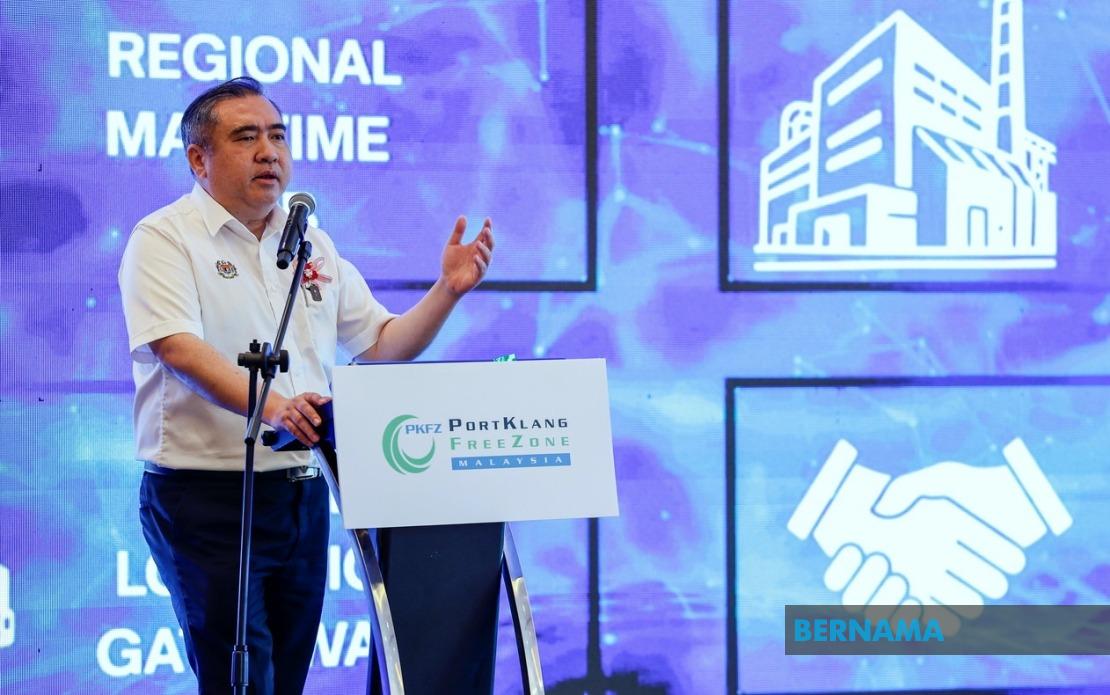
Transport Minister Anthony Loke announced that the Road Transport (Amendment) Bill 2025 will undergo its first reading in Parliament on Monday, marking a significant step in the government's push to overhaul Malaysia's road safety framework. The comprehensive legislation contains 11 distinct areas of amendment spread across 42 separate clauses, representing one of the most extensive regulatory overhauls of the country's transport laws in recent years.
The legislative timeline reflects the government's determination to fast-track the bill through Parliament. Following its introduction on Monday, the measure will proceed directly to second reading debate on Tuesday, with passage anticipated the same day. This accelerated schedule underscores the urgent priority Transport Ministry officials place on addressing persistent road safety concerns that have dominated public discourse and media coverage throughout the nation.
Loke emphasised during his media briefing that the amendments have secured cross-party endorsement, a development that strengthens the bill's prospects for smooth passage through the lower house. Members of Parliament from opposition benches who sit on the Parliamentary Special Select Committee have lent their support to the proposed changes, suggesting broad consensus on the need for legislative action in this critical area. Such bipartisan backing is notable in Malaysia's often-contentious political environment and demonstrates that road safety transcends typical partisan divides.
At the heart of the legislative package lies a determined assault on illegal street racing, a phenomenon that has escalated in frequency and brazenness over recent years, particularly during weekend hours when enforcement resources are often stretched thinner across the country. Unauthorised racing activities have created a persistent public safety hazard, endangering not only the reckless drivers involved but also innocent motorists, pedestrians, and residents in affected areas. Communities from Klang Valley to Penang have lodged repeated complaints about dangerous vehicular stunts that disrupt normal traffic flow and create genuine peril on residential and industrial roads.
Equally troubling for law enforcement authorities are the activities of tonto syndicates, organised criminal networks that profit from vehicle-related extortion, protection rackets, and other illicit operations. These groups, often operating from specific territorial strongholds, have increasingly infiltrated Malaysia's automotive subculture and street racing scene. The bill's inclusion of provisions specifically targeting tonto operations represents official acknowledgment that combating illegal racing requires simultaneous action against the organised crime elements that both profit from and enable such activities to flourish unchecked.
Beyond the focus on street racing and criminal syndicates, the amendments establish stronger enforcement mechanisms designed to enhance overall compliance with road regulations. Transport authorities have indicated that current powers are insufficient to address the scale and sophistication of violations occurring on Malaysian roads. The new provisions are intended to equip enforcement officers with more robust tools to monitor, investigate, and prosecute road safety offences, while also streamlining administrative processes that currently hamper rapid response to violations.
For Malaysian motorists and road users, the amendments carry significant implications regarding accountability and liability. Enhanced enforcement mechanisms typically translate into increased likelihood of detection and prosecution for traffic violations, potentially raising insurance costs and administrative burdens for those who engage in prohibited activities. However, road safety advocates argue that such deterrent effects ultimately benefit the broader driving public by reducing accident rates and creating more orderly traffic conditions.
Regional observers note that Malaysia's approach aligns with growing efforts across Southeast Asia to modernise road safety legislation. Countries including Thailand, Indonesia, and the Philippines have similarly pursued comprehensive transport law reforms in recent years, driven by alarming statistics on road fatalities and injuries. Malaysia's legislative initiative demonstrates commitment to matching international standards and best practices in this critical policy domain.
The bill's passage would grant authorities expanded capacity to investigate organised racing networks, trace vehicle modifications and illegal racing equipment, and prosecute participants more swiftly. Current gaps in legislation have reportedly allowed offenders to exploit technical loopholes and procedural delays that slow prosecution timelines. Streamlined procedures and clarified penalties are expected to serve as more effective deterrents to potential violators, particularly younger drivers who may underestimate legal consequences.
Transport Ministry officials have also flagged the amendments as part of a broader road safety agenda that extends beyond illegal racing. The 11 amended areas suggest the bill addresses multiple facets of transport regulation, potentially including vehicle inspection standards, licensing procedures, and responsibilities of vehicle owners. A holistic approach reflecting contemporary road safety challenges may resonate with diverse constituencies, from professional drivers to commuting families concerned about highway safety.
With passage expected by Tuesday, implementation timelines will become the focus of subsequent attention. Enforcement agencies will require training, resource allocation, and coordination mechanisms to effectively utilise new powers granted under the amended legislation. The success of the Road Transport Amendment Bill 2025 will ultimately depend not merely on legislative passage but on consistent, fair, and professional implementation across Malaysia's diverse jurisdictions and transportation networks.


%22%2F%3E%3C%2Fpattern%3E%3C%2Fdefs%3E%3Crect%20width%3D%22100%25%22%20height%3D%22100%25%22%20fill%3D%22url(%23ph2hy9vg)%22%2F%3E%3Crect%20width%3D%22100%25%22%20height%3D%22100%25%22%20fill%3D%22url(%23ph2hy9vp)%22%2F%3E%3Ctext%20x%3D%2250%25%22%20y%3D%2250%25%22%20text-anchor%3D%22middle%22%20dominant-baseline%3D%22central%22%20fill%3D%22rgba(255%2C255%2C255%2C0.95)%22%20font-family%3D%22Georgia%2C%20'Times%20New%20Roman'%2C%20serif%22%20font-weight%3D%22700%22%20font-size%3D%22272%22%20letter-spacing%3D%22-0.02em%22%3EAnwar%3C%2Ftext%3E%3C%2Fsvg%3E)